
Winnebago County, Illinois
County in northern Illinois centered on Rockford. Founded 1836 and named for the Winnebago (Ho-Chunk) people. Economy has manufacturing roots and now includes services, education and recreation.
Overview
Winnebago County is located in the northern part of the U.S. state of Illinois. The county seat and largest city is Rockford, which serves as the primary economic and cultural center for the surrounding communities. According to the 2010 census the county recorded nearly 300,000 residents; more recent estimates and local trends show modest change as industries and population patterns evolve.
Image gallery
4 Images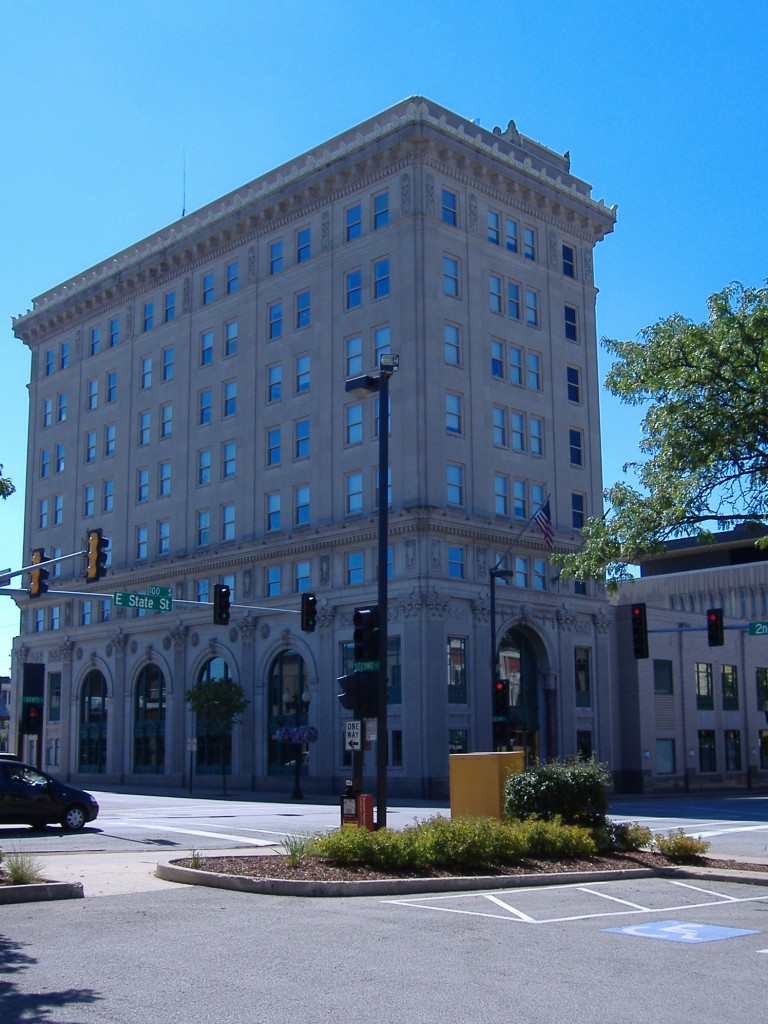

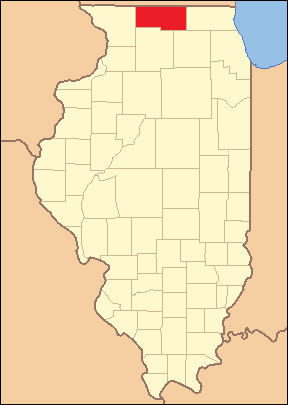
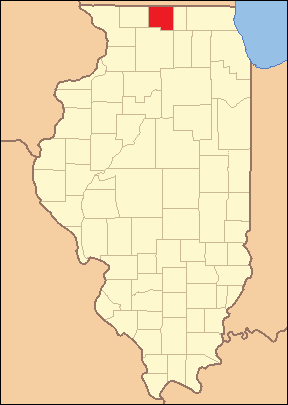
Geography and transportation
Winnebago County sits along the Rock River, which has shaped settlement patterns, industry and recreation. The county includes urban neighborhoods, suburban subdivisions and agricultural land at its edges. Transportation links that serve the county include regional highways, freight and passenger rail lines, and a public regional airport that connects the area with broader markets and travel routes. These transportation corridors support commuting, freight movement and access to larger metropolitan areas such as Cook County to the east.
History
The county was organized on January 16, 1836, during a period of rapid settlement in northern Illinois. It takes its name from the Winnebago Tribe, more commonly known today as the Ho-Chunk, reflecting the indigenous peoples who inhabited the region before European-American settlement. Over the nineteenth and twentieth centuries the county grew as farms, mills and later factory-based industry attracted migrants and investment, and towns developed around rail and river crossings.
Demographics and economy
Winnebago County has a diverse population drawn from long-established communities and newer arrivals. Its economy has historical roots in manufacturing, especially metalworking and related trades; during the twentieth century these sectors were major local employers. In recent decades the local economy has diversified to include healthcare, education, retail, logistics and professional services, while agriculture remains important in less densely settled areas. Employment and income patterns vary between Rockford, suburban municipalities and rural townships.
Culture, recreation and institutions
The Rockford area and the county host a range of cultural institutions, museums, gardens, historic districts and performing arts venues that document regional history and serve residents and visitors. Outdoor recreation is popular along the Rock River and in county and municipal parks, which provide trails, picnic areas and seasonal programming. Local museums and historic sites explore industry, settlement and the area's natural heritage.
Education and research
Educational resources in the county include public school districts, community college programs and regional campuses that support workforce training and higher education. These institutions work with local employers on technical training, continuing education and community outreach, strengthening links between education and the regional economy.
Government and civic life
County government is headquartered in the county seat and provides services such as courts, public safety, public health, infrastructure maintenance and planning. Elected officials and appointed boards oversee budgets and county programs, and the county coordinates with state agencies in Springfield and beyond. Local history organizations, tribal resources and civic groups document and interpret the region's past, including the presence and contributions of American Indian communities and the continuing cultural ties of the Ho-Chunk people.
For demographic details, planning documents and official statistics consult the U.S. census data and county publications, and for local services see municipal information for Rockford and surrounding towns and county pages.
Related articles
Author
AlegsaOnline.com Winnebago County, Illinois Leandro Alegsa
URL: https://en.alegsaonline.com/art/108592
Sources
- quickfacts.census.gov : "State & County QuickFacts"
- naco.org : "Find a County"