
Will County, Illinois: Overview, Geography, Economy and Communities
Will County, in northeastern Illinois, is a populous and diverse county anchored by Joliet. It combines Chicago-area suburbs, agriculture, and restored prairie, with major transport corridors and growing communities.
Overview
Will County lies in northeastern Illinois and forms a significant portion of the Chicago metropolitan area. The county was organized in 1836 and is named for Conrad Will, an early Illinois legislator. As recorded by the U.S. Census Bureau, Will County covers roughly 849 square miles and had a population of about 502,000 at the 2000 census; since then it has been one of the faster-growing counties in the state, reflecting suburban expansion and economic development. For official information see the county page: Will County official site.
Image gallery
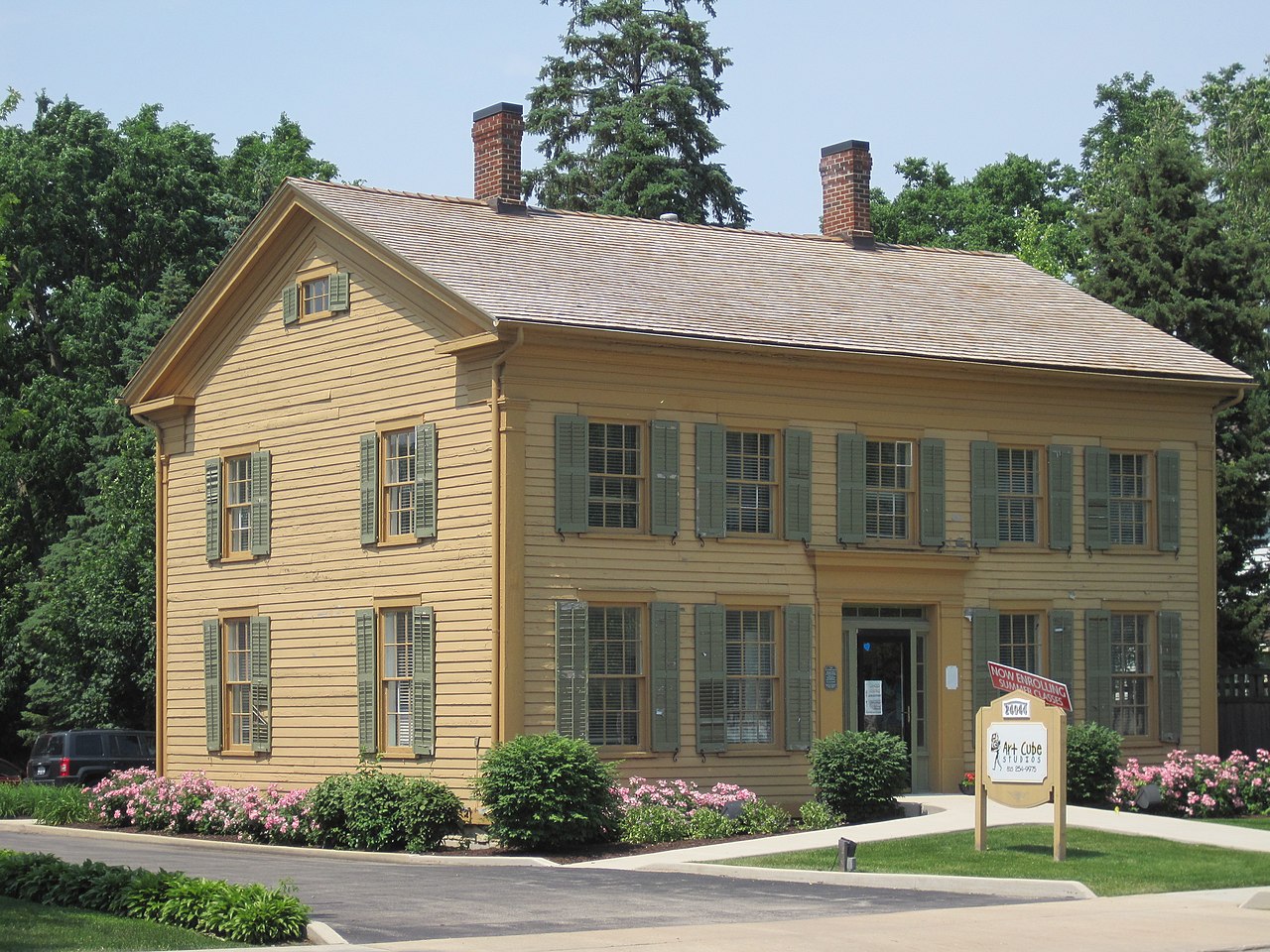
6 Images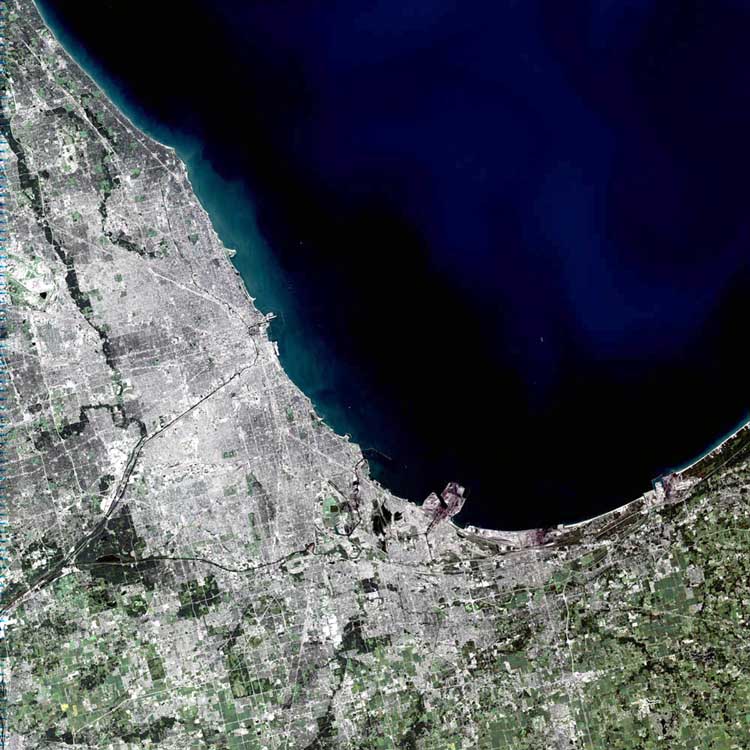



Geography and environment
The landscape ranges from suburban neighborhoods and industrial corridors in the north to agricultural fields and protected natural areas in the south. Two major waterways, including the Des Plaines River and the Kankakee River, cross or border parts of the county and have shaped settlement and transportation routes. Will County is also home to Midewin National Tallgrass Prairie, a large restoration project that preserves native prairie ecosystems and serves as a public recreation resource; more on local conservation initiatives is available at regional conservation resources.
Economy and transportation
Will County’s economy blends manufacturing, logistics, retail, healthcare, and services. Its location within the Chicago corridor gives it strong transportation links: several major interstates and freight rail lines traverse the county, supporting distribution centers and manufacturing plants. Commuter rail and local roads connect suburban communities to Chicagoland employment centers. For demographic and economic data consult the U.S. Census and regional planning pages: U.S. Census.
Communities and government
Joliet is the county seat and largest city, and other principal municipalities include Bolingbrook, Romeoville, Plainfield, New Lenox, Lockport and portions of Naperville. The county government is led by an elected board and various countywide officials who manage services such as public safety, courts, highways and public health. Residents and visitors can find services and local contacts via the county’s public portals: local services.
Notable features and distinctions
Will County is notable for its mix of dense suburban development and remaining rural areas, along with a major tallgrass prairie restoration and extensive freight transportation facilities. Its growth and strategic location make it an influential part of northeastern Illinois' economy and land-use planning. For tourism and visitor information, including parks and historic sites, see: visitor information.
- County seat: Joliet
- Founded: Organized 1836
- Area: ~849 square miles (U.S. Census Bureau)
- Features: Midewin National Tallgrass Prairie, major interstate and rail corridors
Related articles
Author
AlegsaOnline.com Will County, Illinois: Overview, Geography, Economy and Communities Leandro Alegsa
URL: https://en.alegsaonline.com/art/108146
Sources
- census.gov : "UNITED STATES QuickFacts from the US Census Bureau"