
Wilhelmina of the Netherlands (Queen, 1880–1962)
Queen Wilhelmina reigned in the Netherlands from 1890 to 1948. Her long rule, wartime exile and radio broadcasts from London made her a central figure in Dutch 20th-century history and national identity.
Overview
Wilhelmina Helena Pauline Maria (born 31 August 1880; died 28 November 1962) was queen of the Kingdom of the Netherlands for more than half a century. She combined symbolic dignity with a distinctive personal authority as sovereign, guiding the monarchy through rapid social change, two world wars and the first half of the 20th century. For records of her birth and death see birth notice and death notice. She is commonly styled Queen Wilhelmina of the Netherlands.
Image gallery
10 Images



Early life and accession
The daughter of King William III and Queen Emma, Wilhelmina became heir apparent at a young age and ascended the throne in 1890. Her accession introduced a long minority followed by a personal reign that emphasized continuity and national unity. The formal start of her reign and early constitutional circumstances are documented in contemporary sources about her accession.
Reign and domestic role
Wilhelmina's reign covered political liberalization, economic modernization and shifting international alliances. She occupied a mainly constitutional role while exercising visible moral leadership, and her opinions influenced government at sensitive moments. She remained monarch until her formal transfer of duties in 1948, a step referred to in accounts of her abdication. Her tenure is notable for longevity and the symbolic weight she carried for the Dutch people.
World War II and exile
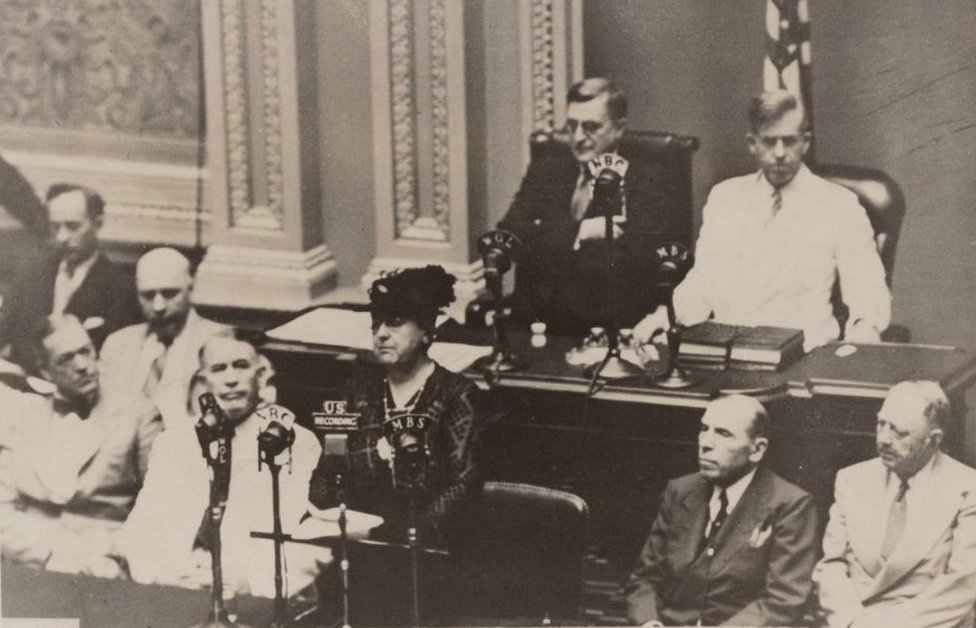
The German invasion of 1940 forced Wilhelmina to leave the country and lead the royal government in exile. During World War II she relocated to London and used broadcasting as a tool of resistance. Regular transmissions made from exile on radio helped maintain Dutch morale and provided a focus for loyalist sentiment among occupied and free Dutch communities alike. Her broadcasts were transmitted from facilities in England, where she became a symbol of national continuity.
Legacy and significance
Wilhelmina is remembered for stabilizing the monarchy during turbulent decades and for her wartime leadership. She was mother to Queen Juliana and grandmother to Queen Beatrix; her family ties ensured dynastic continuity. Historians note both her ceremonial importance and the ways her personal style shaped public perceptions of the crown.
Notable facts
- Long reign: One of the longest-serving Dutch monarchs of modern times.
- Wartime broadcaster: Used international radio to speak directly to her people during occupation.
- Dynasty: Ancestor of successive monarchs who guided postwar constitutional monarchy.
While the constitutional framework limited direct political power, Wilhelmina's personal decisions and public role left a measurable imprint on Dutch national life and the monarchy's 20th-century evolution.
Related articles
Author
AlegsaOnline.com Wilhelmina of the Netherlands (Queen, 1880–1962) Leandro Alegsa
URL: https://en.alegsaonline.com/art/108134