
Will Eisner: American Cartoonist and Pioneer of the Graphic Novel
Will Eisner (1917–2005) was an American cartoonist, creator of The Spirit, and a key influence on modern comics and the graphic novel form; the Eisner Awards honor his legacy.
Overview
William Erwin "Will" Eisner (March 6, 1917 – January 3, 2005) was an American cartoonist and storyteller whose work helped shape modern sequential art. He is best known as the creator of the masked-detective feature The Spirit, and for producing book-length comics that are often cited as early examples of the graphic novel. Eisner combined popular entertainment with literary themes, social observation, and formal experimentation.
Image gallery
6 Images


Early career and The Spirit
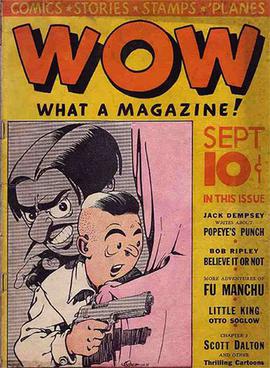
Eisner began working professionally in the 1930s. His most famous creation, The Spirit, ran as a newspaper insert and in comic books, and mixed crime drama, humor, and humanist themes. The strip reached a wide readership and showcased Eisner's strong sense of pacing, visual storytelling, and expressive lettering.
Graphic novels, teaching, and instructional works
In the later part of his career Eisner turned increasingly to long-form, self-contained books that examined memory, identity, and social issues. His 1978 book A Contract with God is widely discussed as a landmark in the development of the graphic-novel format. He also taught, lectured, and wrote widely read instructional texts on comics craft, including books on visual storytelling, layout, and the language of sequential art.
Technique and influence
Eisner experimented with page design, panel shape, gutters, captioning, and sound-effect lettering to control rhythm and mood. His cinematic approach to composition and emphasis on the interplay of word and image influenced generations of cartoonists, educators, and critics. Institutions and comic historians often credit him with helping to expand public and critical perceptions of comics as a serious medium.
Awards and legacy
The annual Will Eisner Comic Industry Awards, commonly called the Eisners, are named in his honor and recognize achievement in comics and sequential art. His instructional books remain in use, and retrospectives, anthologies, and academic studies continue to examine his innovations and body of work. For biographical summaries and archival material see general artist profiles and dedicated biographical resources.
Death and remembrance
Eisner spent his final years in South Florida. He died in Fort Lauderdale following complications from heart surgery; accounts note he was 87. His death was widely covered in the comics community and cultural press, and memorials and exhibitions have since celebrated his contributions to visual narrative and comic art. For more on his life and influence consult dedicated biographies and museum or library collections that hold his work and related documentation.
Further reading and curated materials are available through artist profiles and institutional collections; for online overviews, exhibition listings, and archival guides see representative links and reference sites (Fort Lauderdale, Florida).
Related articles
Author
AlegsaOnline.com Will Eisner: American Cartoonist and Pioneer of the Graphic Novel Leandro Alegsa
URL: https://en.alegsaonline.com/art/108147
Sources
- scoop.diamondgalleries.com : "Gemstone Publishing: ''Industry News'' (January 7, 2005): "In Memoriam: Will Eisner""