
Wilkie Collins
English novelist and pioneer of the modern mystery novel, best known for The Woman in White and The Moonstone; notable for innovative narration, sensation fiction, and influence on detective fiction.
Overview
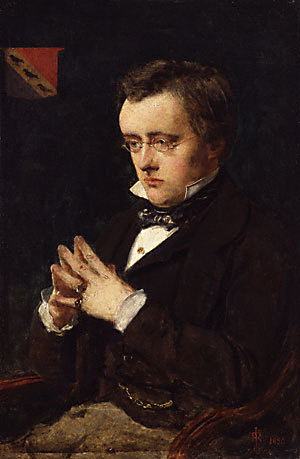
Wilkie Collins (1824–1889) was an English novelist and dramatist who became one of the leading figures of Victorian popular fiction. He is widely remembered for two landmark works, The Woman in White and The Moonstone, and for helping to shape the emerging genres of sensation fiction and the detective story.
Image gallery
10 Images





Narrative approach and themes
Collins experimented with narrative form, often assembling stories from multiple first‑person accounts, letters and diaries to build suspense and present conflicting perspectives. His fiction frequently combines elements of the Gothic and the realistic: crimes, legal disputes, questions of identity and inheritance, and contemporary medical or social issues appear alongside atmospheric settings and melodrama.
Major works
- The Woman in White (1860) — a mystery told through several narrators and an early sensation novel.
- The Moonstone (1868) — often cited as a foundation of the modern English detective novel.
- No Name, Armadale, and The Law and the Lady — further examples of his reach across crime, domestic drama and romance.
Career and context
Collins published many of his works in serial form for popular magazines of his day, a practice that increased suspense and widened his readership. He moved in literary circles of London and collaborated with and was influenced by other leading writers of the period. His novels balanced crowd‑pleasing plots with careful attention to contemporary institutions such as the legal system, medicine and social conventions.
Legacy and notable facts
Scholars and readers credit Collins with significant influence on crime and mystery fiction: his plotting techniques, use of an investigator figure and focus on procedural detail informed later detective narratives. He experienced fluctuating reputations after his death, but twentieth‑century critics and filmmakers helped revive interest in his storytelling. Collins also led an unconventional private life and struggled with chronic health problems in later years, which affected his work and personal arrangements.
For an introduction to his life and a list of works, see Biography and works.
Related articles
Author
AlegsaOnline.com Wilkie Collins Leandro Alegsa
URL: https://en.alegsaonline.com/art/108142