
Bedouin: nomadic Arab communities, culture and modern change
Bedouin are Arabic-speaking, traditionally nomadic peoples of desert regions in the Middle East and North Africa, known for pastoralism, tribal organization, oral poetry and a continuing cultural presence amid sedentarization.
Overview: The Bedouin are a broad set of Arabic-speaking tribal groups historically associated with life in arid and semi-arid landscapes. Their identity grew from a mobile pastoral way of life practiced by nomads across the Arabian Peninsula, the Syrian Desert and parts of the Saharan regions. Bedouin cultures emphasize kinship, hospitality and detailed local knowledge of harsh environments.
Image gallery
10 Images


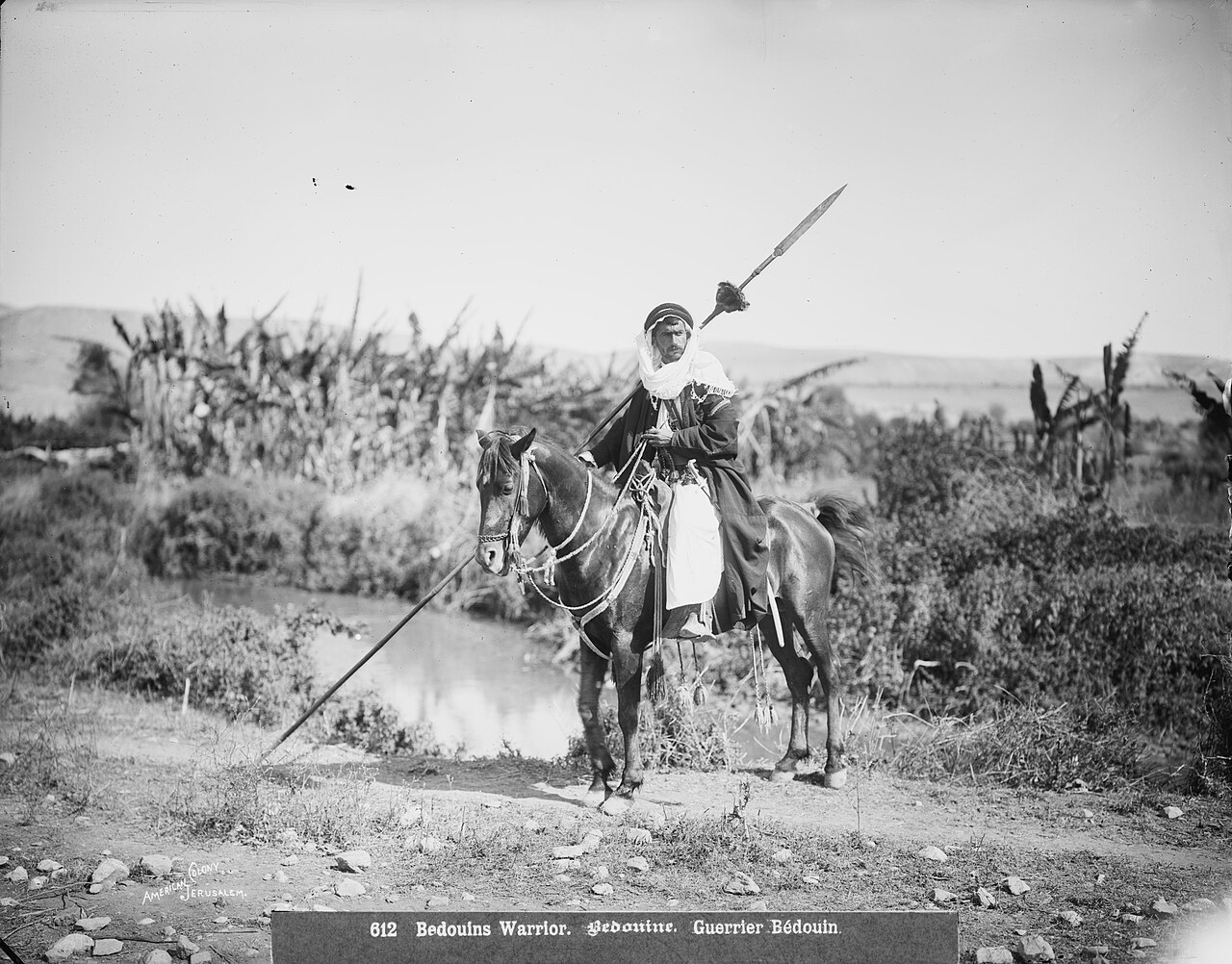


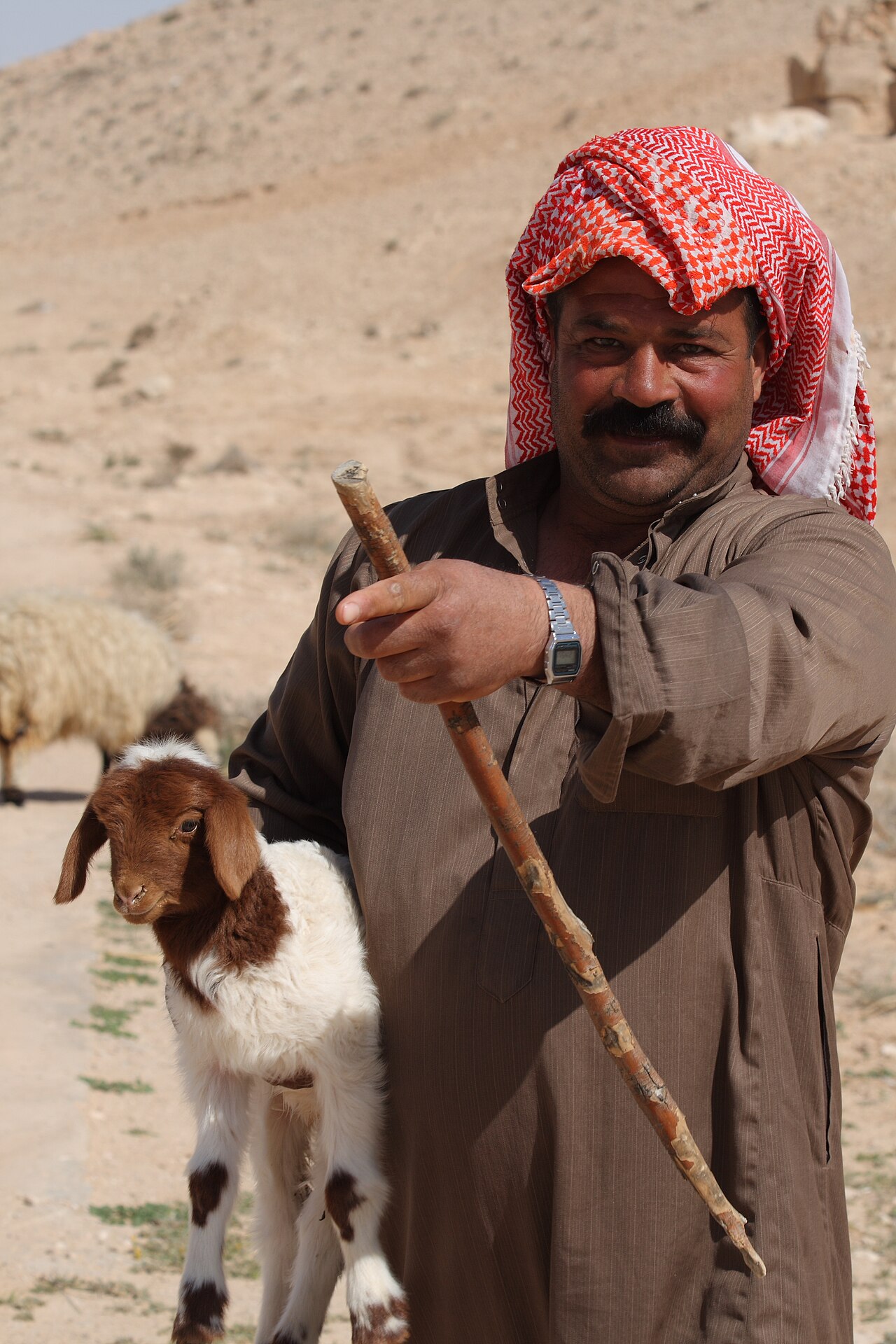

Social organization and values
Traditional Bedouin society is organized around extended family units and tribes, often led by elders or sheikhs who mediate disputes and manage relations with neighbors. Social values include honor, loyalty to kin, generosity toward guests and a code of conduct that shapes marriage, inheritance and conflict resolution. Oral transmission of genealogies and customs plays a central role in maintaining group identity.
Economy and material culture
- Pastoralism: herding of camels, sheep and goats has long provided transport, dairy and meat, and supported seasonal mobility.
- Hearth and tent life: portable tents woven from camel or goat hair permitted seasonal movement and formed the domestic center, often called the people of the tent.
- Trade and crafts: many Bedouin engaged in caravan trade, barter, seasonal labour and artisanal production to supplement herding, contributing to regional exchange networks linked to caravan routes.
Language, poetry and cultural expression
Bedouin varieties of Arabic are noted for distinct dialect features and a rich oral literature. Poetry, proverbs and storytelling preserve history, social norms and praise for virtues such as courage and generosity. Music, camel and horse culture, and specialized craftwork also form important expressions of identity.
Religion and customary law
Most Bedouin are Muslim and combine religious practice with customary rules that govern family life, dispute settlement and resource use. Customary norms coexist with national legal systems in many places, producing a mix of formal and informal authorities.
Modern change and contemporary issues
During the twentieth and twenty-first centuries many Bedouin have moved toward sedentarization, urban employment and participation in state institutions. Borders, land policies, schooling and economic development have altered traditional mobility and livelihoods. Contemporary issues often include access to services, legal recognition, land tenure, cultural preservation and the negotiation of identity within modern nation-states.
Bedouin communities today are diverse: some continue pastoral and semi-nomadic practices, others live in towns and cities while maintaining cultural ties to desert heritage. Scholars and community voices document how Bedouin adapt social institutions, language and arts while engaging with modern economic and political realities. For historical studies and regional overviews see sources on desert peoples, caravan history and tribal dynamics (trade and routes).
Questions and answers
Q: Who are the Bedouins?
A: Bedouins are an Arab ethnocultural group.
Q: Where did the Bedouins live?
A: They lived in the Arabian, Syrian and Saharan Deserts.
Q: Why do Bedouins call themselves the people of the tent?
A: Bedouins call themselves the people of the tent because they travelled around, living in tents.
Q: What were the main occupations of Bedouins?
A: Bedouins were camel raisers and drivers, sheep and goat nomads, cattle driving nomads, and merchants.
Q: Do all Bedouins still live a nomadic life?
A: No, today many Bedouins have given up the nomadic life and live and work in towns.
Q: What is the contribution of the Bedouins to Arabian horse breeding?
A: Bedouins are the original breeders of the Arabian Horse.
Q: What are some of the animals that Bedouins raised and drove?
A: Bedouins raised and drove camels, sheep, goats, and cattle.
Related articles
Author
AlegsaOnline.com Bedouin: nomadic Arab communities, culture and modern change Leandro Alegsa
URL: https://en.alegsaonline.com/art/10045