
Adriana Lecouvreur: Cilea's enduring lyric drama
Adriana Lecouvreur is an Italian four‑act opera by Francesco Cilea with a libretto by Arturo Colautti, first performed in Milan in 1902. It remains Cilea's best‑known work and a staple for dramatic sopranos.
Overview
Adriana Lecouvreur is an Italian opera in four acts composed by Francesco Cilea with a libretto by Arturo Colautti, adapted from the 19th‑century drama by Eugène Scribe and Ernest Legouvé. The work, which premiered in Milan on November 6, 1902, combines late‑Romantic lyricism with elements associated with verismo drama: heightened emotion, realistic interpersonal conflict and a focus on strong, expressive vocal writing. The title heroine is a celebrated actress whose personal and professional life become entangled in passion, jealousy and intrigue.
Image gallery
1 Image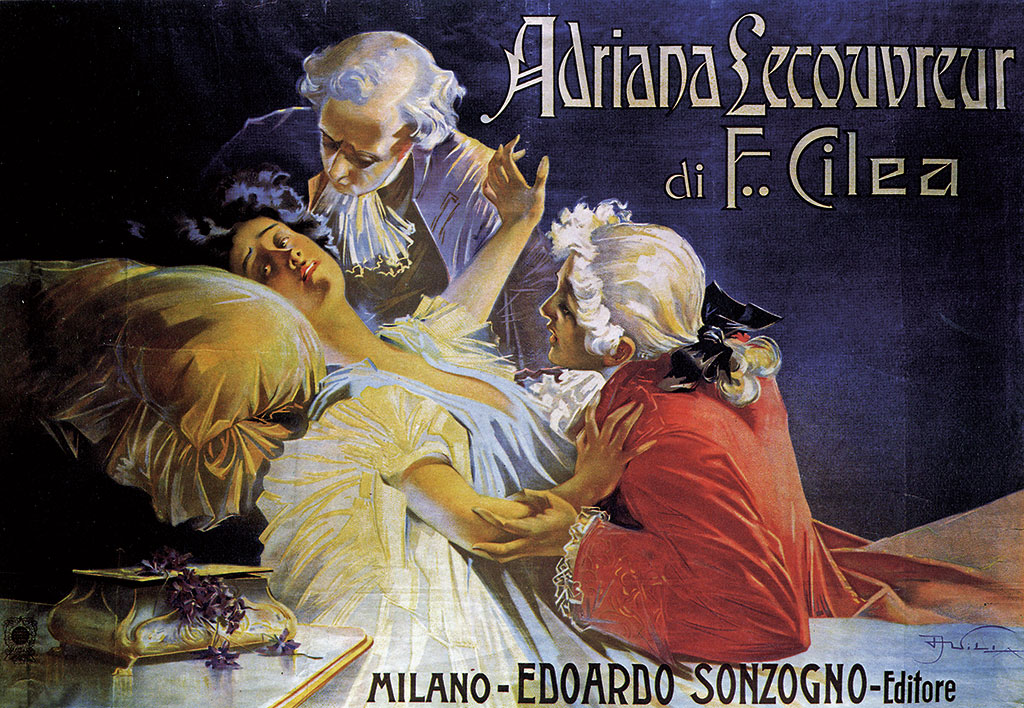
Plot and dramatic themes
The narrative follows the actress Adriana and her relationships with rivals and lovers in a courtly and theatrical world. Central themes include the contrast between artistic life and aristocratic power, rivalry between women, the fragility of fame, and a dramatic denouement that has long attracted singers and audiences. The libretto emphasizes character motivation and stagecraft, adapting the well‑known play into episodes suited to operatic ensembles and arias.
Music, structure and notable moments
Cilea’s score favors sweeping, memorable melodic lines and rich orchestral coloring that support intense vocal writing rather than grand choral spectacle. The opera is structured in four acts with a mixture of solo arias, duets and ensembles that showcase the principal voices—especially the dramatic soprano who sings Adriana. One of the best‑known excerpts is Adriana’s opening solo, often performed in recitals and on recordings; other scenes, including the climactic final act, are valued for their theatrical intensity and orchestral shading.
Principal roles
- Adriana Lecouvreur — dramatic soprano
- Maurizio (Maurice), a military leader — tenor
- The Princesse (rival) — mezzo‑soprano or dramatic soprano
- Michonnet, Adriana’s friend/manager — baritone
- Supporting roles and company members
History and premieres
The opera was first staged in Milan and quickly entered the repertory of Italian houses. Its libretto draws on the popular 19th‑century play Adrienne Lecouvreur and was crafted by Arturo Colautti to suit the musical and theatrical priorities of the time. Cilea, the composer, is often discussed in reference to this work—his most successful and enduring piece — and his name appears frequently in studies of early twentieth‑century Italian opera (Cilea).
Legacy and performance practice
Adriana Lecouvreur remains in the standard operatic repertory, particularly prized by sopranos who specialize in verismo and verismo‑adjacent roles. Productions emphasize the play‑within‑a‑play aspects, staging, and period detail while also highlighting the intimate, psychological moments that Cilea’s score underlines. Modern audiences encounter the opera in full productions, concert performances and on recordings; scholarship and program notes frequently reference the original theatrical source and the work’s premiere context (opera, Milan premiere).
For further reading and resources, see historical libretti, critical studies and recorded performances available through major libraries and opera archives (play source, composer studies).
Questions and answers
Q: What is Adriana Lecouvreur?
A: Adriana Lecouvreur is an Italian opera in four acts with music by Francesco Cilea and a libretto by Arturo Colautti.
Q: When was Adriana Lecouvreur first performed?
A: Adriana Lecouvreur was first performed in Milan on November 6, 1902.
Q: Who wrote the libretto for Adriana Lecouvreur?
A: Arturo Colautti wrote the libretto for Adriana Lecouvreur.
Q: What is the source material for Adriana Lecouvreur?
A: Eugène Scribe and Ernest Legouvé's play Adrienne Lecouvreur is the source material for Adriana Lecouvreur.
Q: Is Adriana Lecouvreur still regularly performed?
A: Yes, Adriana Lecouvreur is Cilea's only opera that is still regularly performed.
Q: Who composed the music for Adriana Lecouvreur?
A: The music for Adriana Lecouvreur was composed by Francesco Cilea.
Q: Would you say that Adriana Lecouvreur was a successful work for Cilea?
A: Yes, Adriana Lecouvreur was by far Cilea's most successful work.
Related articles
Author
AlegsaOnline.com Adriana Lecouvreur: Cilea's enduring lyric drama Leandro Alegsa
URL: https://en.alegsaonline.com/art/1079