
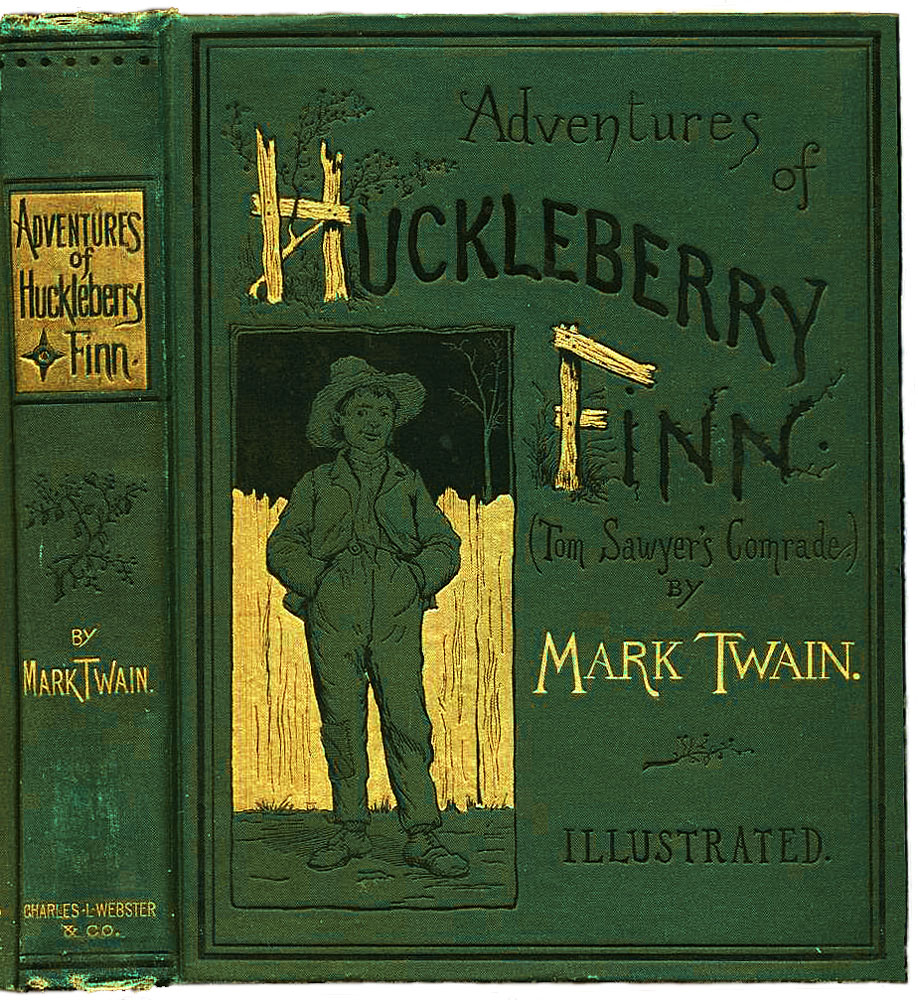
Adventures of Huckleberry Finn
A novel by Mark Twain published in 1884, following Huck Finn’s river journey. Noted for its vernacular voice, moral coming-of-age, satire, and ongoing debate over race and language.
Overview
Adventures of Huckleberry Finn is a novel by Mark Twain, first issued in 1884. It continues the story of a young boy introduced in The Adventures of Tom Sawyer and is often described as a picaresque, first-person narrative that follows Huck’s experiences on and along the Mississippi River.
Image gallery
7 Images



Setting, plot and characters
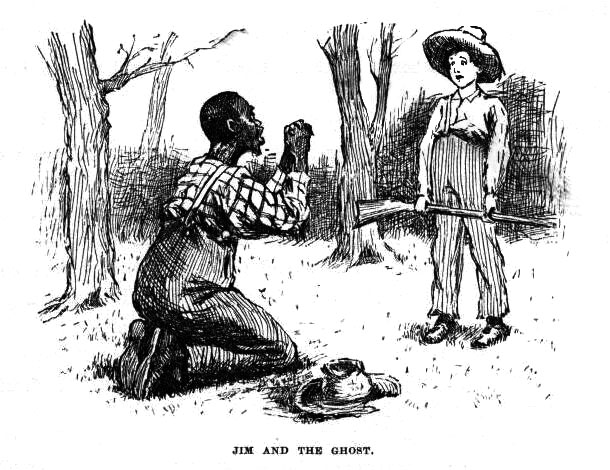
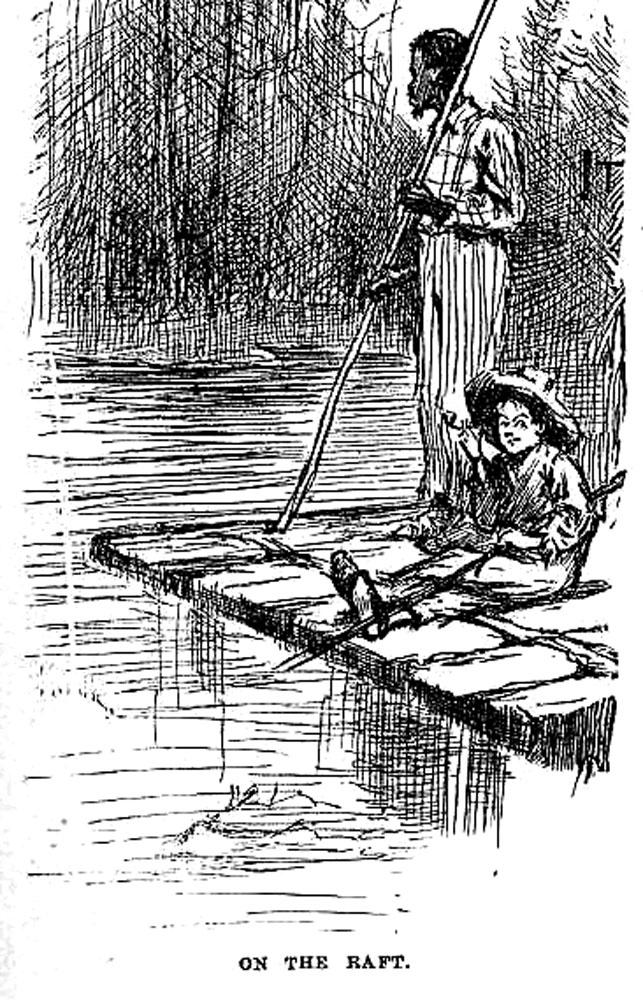
The story is set in the antebellum American South. Huck Finn, a resourceful and skeptical narrator, escapes an unstable home life and travels by raft with Jim, an enslaved man seeking freedom. Their journey combines episodic adventures, encounters with con artists and isolated communities, and moments of quiet reflection that reveal the characters’ growth.
Themes and style
Twain employs colloquial speech and regional dialects to create an authentic narrative voice. Major themes include freedom and moral conscience, the hypocrisy of social institutions, and the complexities of race and friendship. The novel mixes satire, humor, and serious ethical questioning as Huck confronts laws and norms he finds unjust.
History and publication
Published as the popular successor to his earlier work, the book was both praised for its realism and criticized for its candid language. Its innovative use of vernacular narration influenced later American literature and how authors portray ordinary speech.
Reception and legacy
The novel is widely studied and has been called an important American classic, but it has also provoked controversy and reviews that debate its portrayal of race and repeated racial epithets. These discussions have led to both challenges in school settings and numerous scholarly reassessments.
Notable facts
- Principal figures: Huck Finn and Jim.
- Form: first-person, episodic river narrative.
- Legacy: frequent stage, film, and classroom adaptations.
Tags
Related articles
Author
AlegsaOnline.com Adventures of Huckleberry Finn Leandro Alegsa
URL: https://en.alegsaonline.com/art/1116
Sources
- en.wikisource.org : Adventures of Huckleberry Finn