
West Texas Intermediate (WTI)
West Texas Intermediate (WTI) is a light, low-sulfur crude oil benchmark used in North American pricing and NYMEX futures, often quoted alongside Brent crude.
West Texas Intermediate (WTI), also called Texas light sweet, is a widely used benchmark grade of crude oil. It is considered light because of its relatively low density and sweet because it contains little sulfur. These qualities make it easier to refine than heavier, sourer crudes.
WTI is not a single oil well or one fixed blend. In practice, it is a market grade linked to a stream of crude delivered in the United States, especially through storage and trading hubs in the interior of North America. For that reason, WTI is often used as a reference price in oil markets and in energy reporting.
Image gallery
4 Images

Why it matters
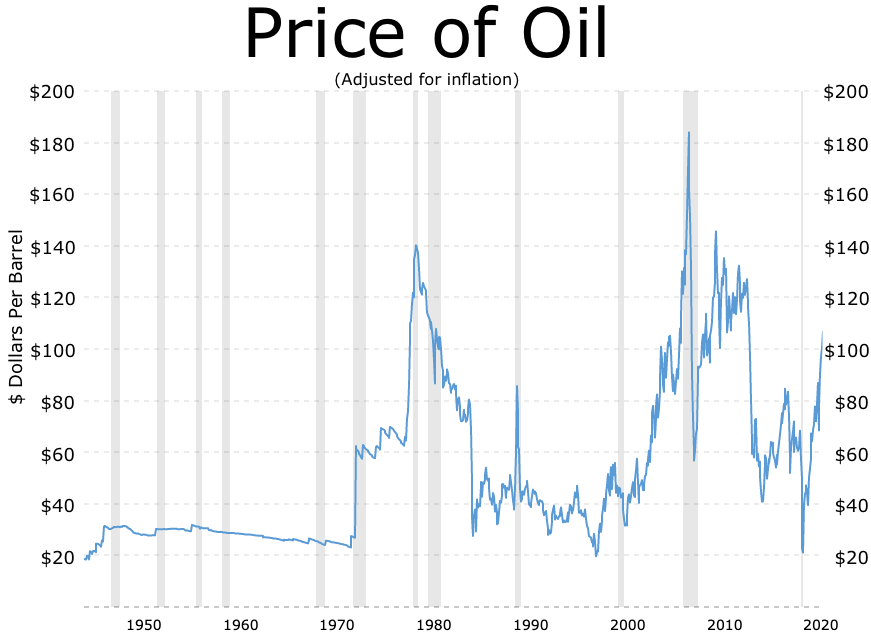
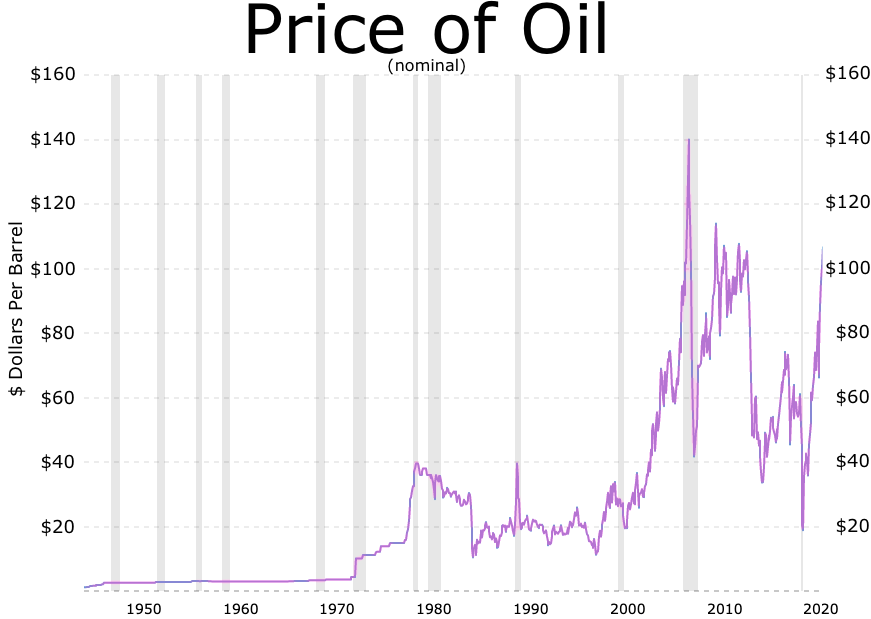
The grade is the underlying commodity for New York Mercantile Exchange oil futures contracts, which are among the most watched commodity contracts in global finance. Futures based on WTI help producers, refiners, airlines, and traders hedge against price swings, and they also shape expectations about supply and demand.
- Benchmark for North American crude pricing
- Used in futures and hedging activity
- Known for low sulfur content and relatively high refining value
- Often reported alongside Brent crude, the main international benchmark
News reports commonly compare WTI with Brent crude from the North Sea. The two benchmarks can move in similar directions, but they do not always trade at the same level because they reflect different supply routes, transport costs, and regional market conditions. WTI is generally treated as a U.S.-focused benchmark, while Brent often serves as a broader international reference.
In discussions of oil pricing, WTI matters because it helps set contract prices, informs refinery margins, and provides a transparent signal for the U.S. market. The benchmark is also commonly described as the underlying commodity in the futures contract structure, even though the physical oil itself can differ slightly over time as trading conditions change.
Overall, WTI is important not only as a physical crude grade but also as a financial reference point. Its long-standing role in benchmark pricing has made it one of the best-known names in energy markets.
Related articles
Author
AlegsaOnline.com West Texas Intermediate (WTI) Leandro Alegsa
URL: https://en.alegsaonline.com/art/107461