
Pricing: Principles, Strategies, and Market Dynamics
An overview of pricing: what price is, how supply and demand shape it, common methods firms use, historical development, uses in business, and important distinctions and constraints.
Pricing is the process by which a monetary value is assigned to a good, service, or right to use an asset. That assigned value — often called the price — coordinates decisions by buyers and sellers and determines how resources flow in an economy. In simplest terms price expresses how much one party is willing to give and another willing to accept in exchange.
Image gallery
9 Images

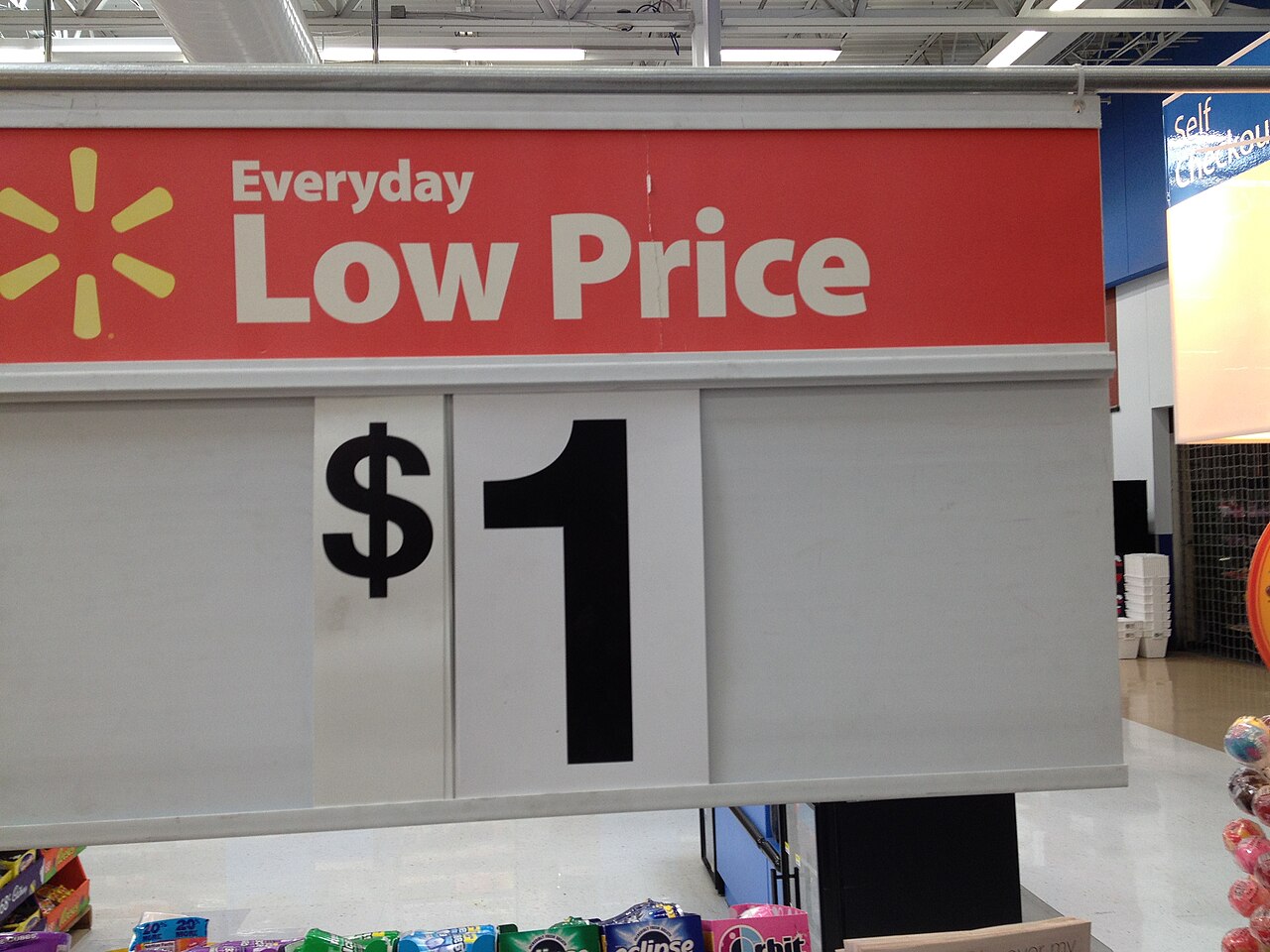


How prices form
In a competitive market economy, prices emerge from the interaction between supply and demand. Sellers tend to prefer higher prices to cover costs and earn profits; buyers prefer lower prices to maximize utility. The actual transaction price is the outcome of negotiation, market signals and institutional rules (auctions, posted prices, contracts). Prices also respond to non-market factors such as regulation, taxes and subsidies.
Key components and characteristics
Pricing decisions typically consider costs (fixed and variable), customer willingness to pay, competitor pricing, and broader market conditions. Relevant characteristics include price elasticity (how quantity demanded changes with price), time sensitivity (short-run versus long-run effects), and information availability. Prices can be explicit (a posted tag) or implicit (time, attention, or data-sharing costs).
Common pricing strategies
- Cost-plus pricing: adding a markup to production cost.
- Value-based pricing: setting price according to perceived customer value.
- Penetration and skimming: low initial price to gain share or high price to capture early adopters.
- Dynamic pricing: adjusting prices rapidly to match demand (common in travel, e-commerce).
- Price discrimination: charging different customers different prices based on willingness to pay.
History and development
Price-making is as old as trade: early marketplaces used barter and customary rates, while the spread of coinage and money simplified price comparison. Industrialization, mass production and improved information systems expanded pricing techniques. In the late 20th and early 21st centuries, computing power and data analytics enabled complex, personalized and algorithmic pricing models used in many industries.
Uses, importance and notable distinctions
Pricing steers supply decisions, affects profitability, and signals quality. It is central to marketing, finance and public policy. Distinctions to note: list price versus transaction price, nominal versus real price (inflation-adjusted), and short-run promotional pricing versus long-run strategic pricing. Legal and ethical constraints — such as antitrust law, price-fixing prohibitions, and consumer protection rules — also shape how prices are set and communicated.
Understanding pricing blends economics, psychology and practical business judgment. For further reading on basic concepts and market institutions, see introductory resources on market economies and supply-and-demand interactions (supply, demand), or consult a primer on the meaning and role of price.
Related articles
Author
AlegsaOnline.com Pricing: Principles, Strategies, and Market Dynamics Leandro Alegsa
URL: https://en.alegsaonline.com/art/79001