
West Belarus: region, history and modern significance
West Belarus refers to the parts of modern Belarus that were part of the Second Polish Republic (1919–1939); today it broadly corresponds to Hrodna and Brest regions and parts of Minsk and Vitebsk.
West Belarus commonly denotes the territories of present-day Belarus that were incorporated into the Second Polish Republic between the end of World War I and 1939. In contemporary administrative terms the area largely corresponds to the Hrodna and Brest voblasts and includes sections of what are now the Minsk and Vitebsk regions. The term is used in historical, cultural and political discussions to distinguish the western lands from the central and eastern parts of Belarus.
Image gallery
10 Images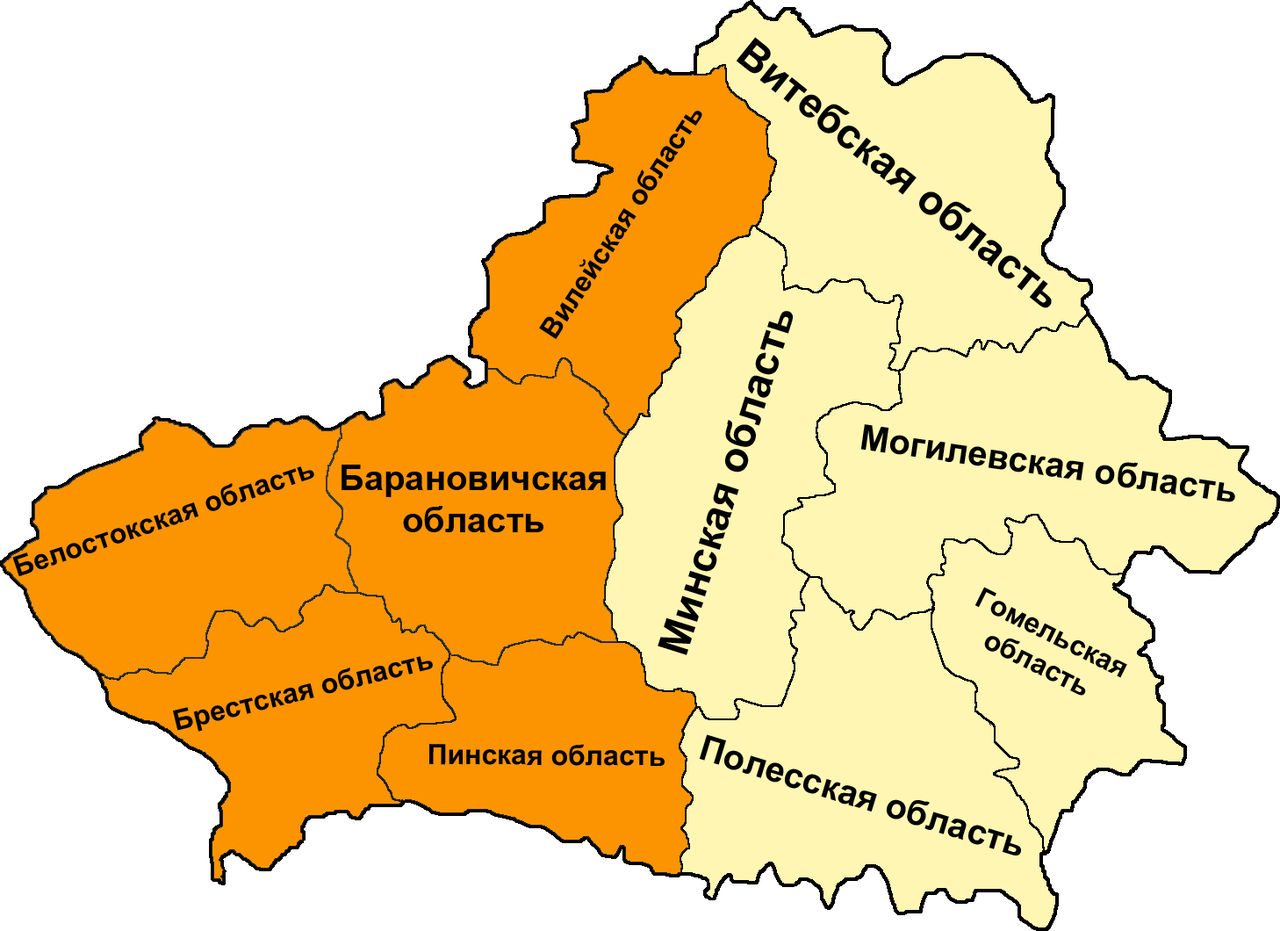




Geography and population
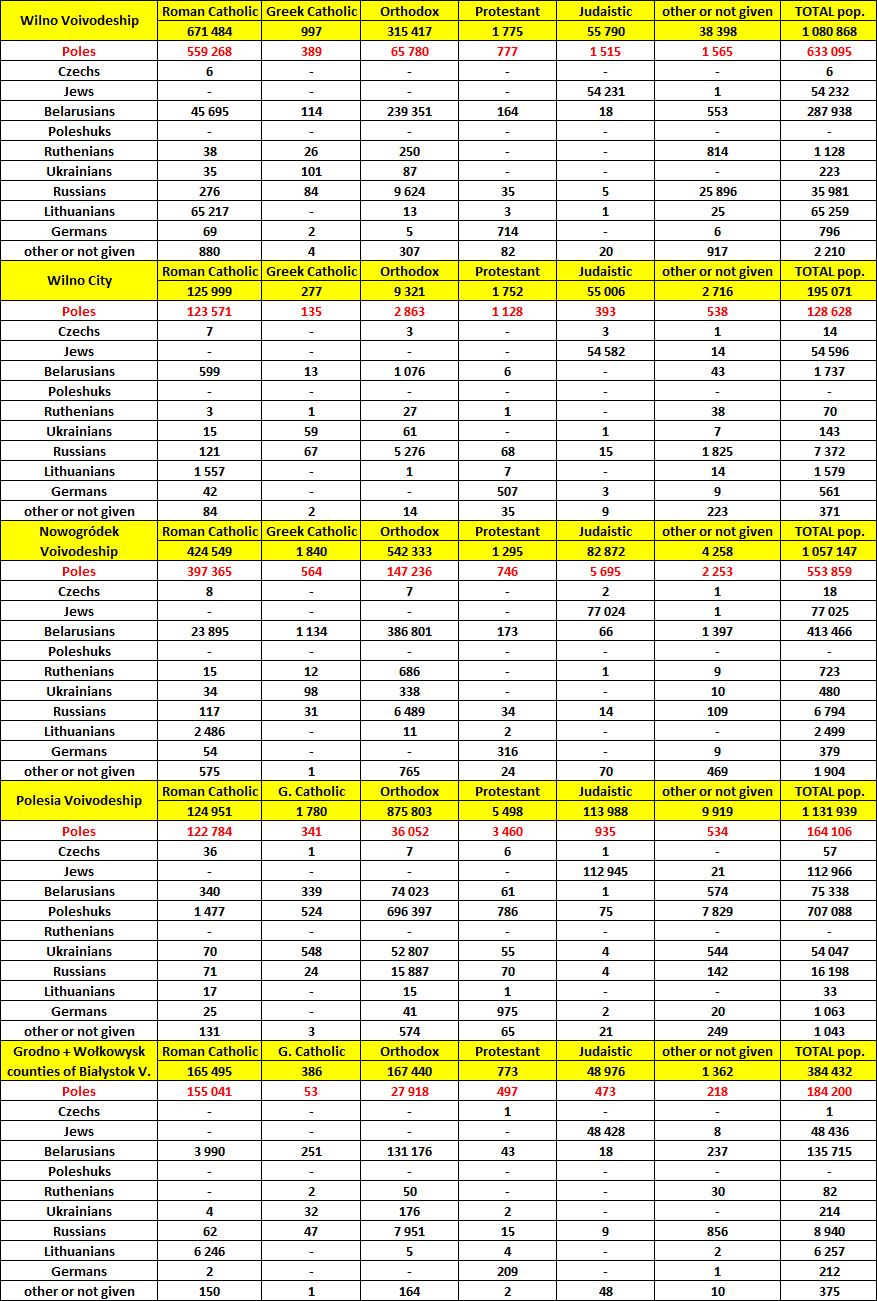
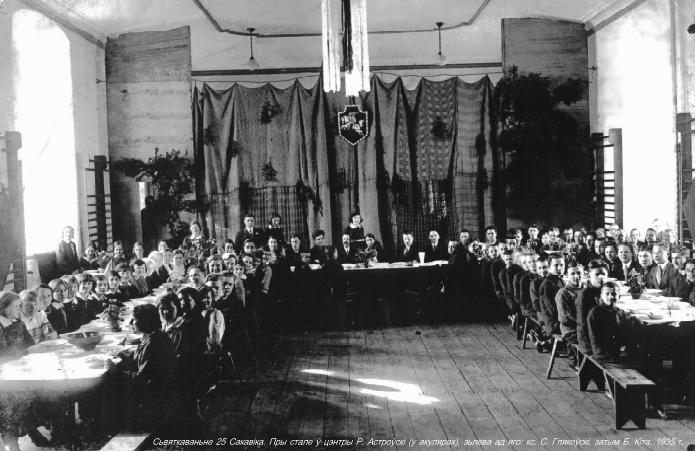
The region covers a mix of urban centres, small towns and agricultural countryside, with a long history of shifting borders. Its population has been ethnically and religiously diverse: Belarusians, Poles, Lithuanians, Jews and Russians have all formed significant local communities at various times. Language use has reflected this diversity, with Belarusian, Polish and Yiddish historically common in different settings.
Historical background
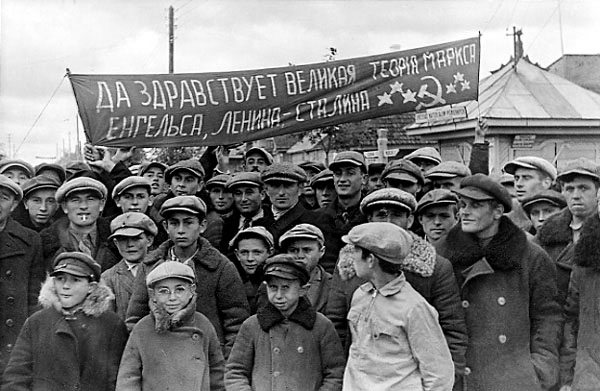
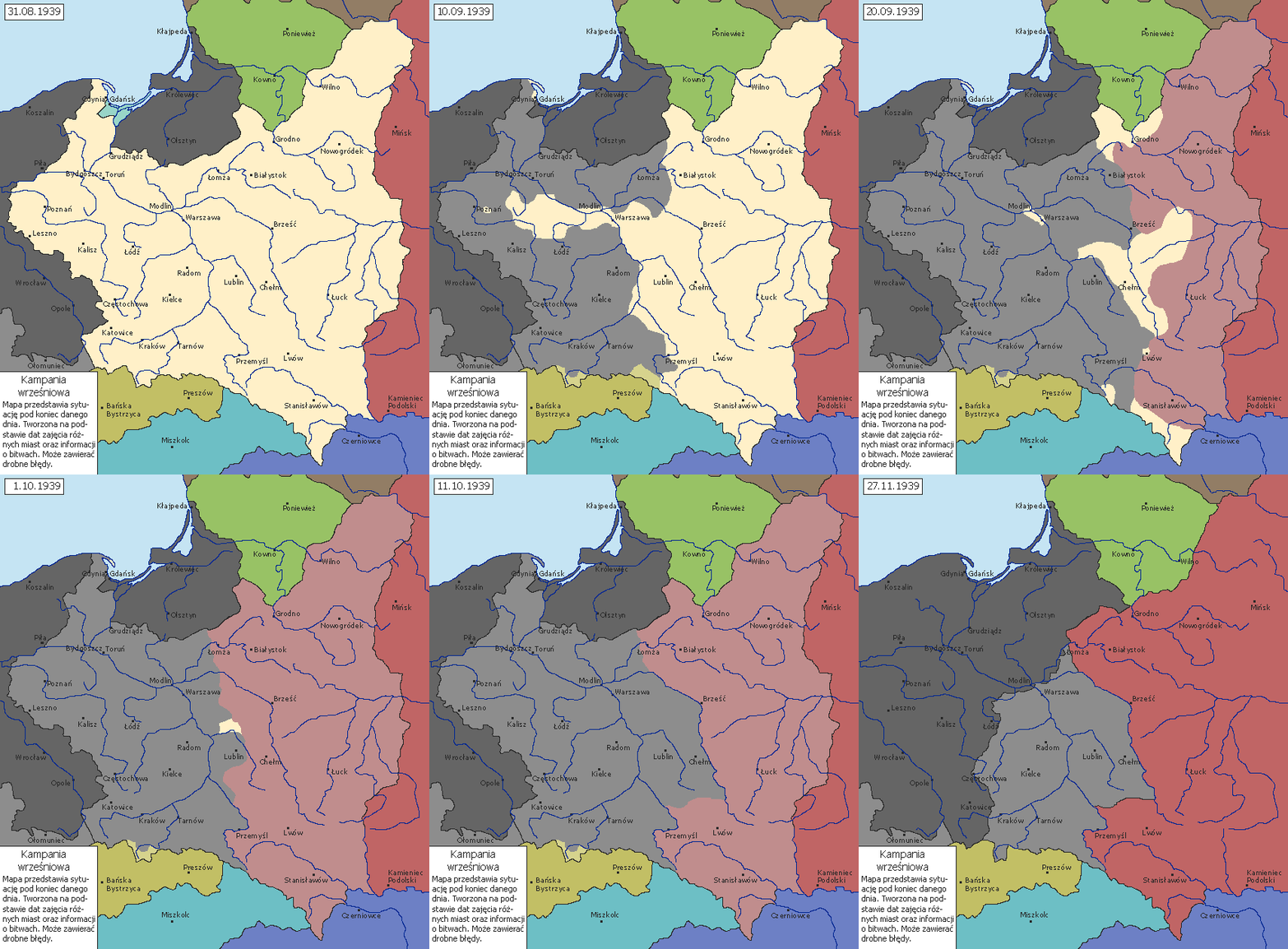
After the collapse of empires following World War I, borders in Eastern Europe were reconfigured. Parts of what is now western Belarus were claimed and administered by the Second Polish Republic from about 1919 until 1939. This interwar period featured contested nationality policies, land reforms, and competing national narratives. In 1939 the region was occupied by the Soviet Union as a result of the Molotov–Ribbentrop arrangements and subsequently became part of the Belarusian Soviet Socialist Republic.
20th century changes and legacy
The upheavals of World War II, population transfers, and postwar border settlements altered the region’s demographic composition and political alignment. Many Polish-speaking inhabitants left or were moved westward after 1945, while the Soviet period brought different administrative structures and industrialization policies. Memories of the interwar era and wartime experiences continue to shape local identity and historical debates.
Contemporary relevance
Today West Belarus is integral to the Republic of Belarus as a whole, but the area retains distinct cultural markers and historical sites that reflect its multiethnic past. Scholars and local institutions study the region’s architecture, cemeteries, religious buildings and archives to trace the layered heritage. The phrase "West Belarus" is therefore used both descriptively and in discussions of heritage, minority rights and regional development.
Notable distinctions
- Administrative: modern voblast borders differ from interwar divisions.
- Historical: interwar Polish rule set different legal and educational structures than those in Soviet Belarus.
- Cultural: linguistic and religious plurality left durable local traditions.
For further reading, consult regional histories and archival collections that focus on the interwar period and the post-1939 transformations; local museums and academic studies provide detailed accounts of specific towns, communities and demographic changes.
Related articles
Author
AlegsaOnline.com West Belarus: region, history and modern significance Leandro Alegsa
URL: https://en.alegsaonline.com/art/107328