
Minsk Region (Minsk Oblast): geography, administration, economy and culture
Minsk Region (Minsk Oblast) is a central province of Belarus surrounding the capital Minsk. This article covers its geography, administrative structure, history, economy, and points of interest.
Overview
Minsk Region (Belarusian: Minsk Voblast) is a central administrative region of Belarus that surrounds, but does not include for administrative purposes, the city of Minsk. The region's administrative centre is Minsk itself, a major political and economic hub of the country. Covering roughly 39,900 km², Minsk Region is one of the largest oblasts by area and contains a substantial share of Belarus's population—approximately 1.5 million people as reported in recent years.
Image gallery
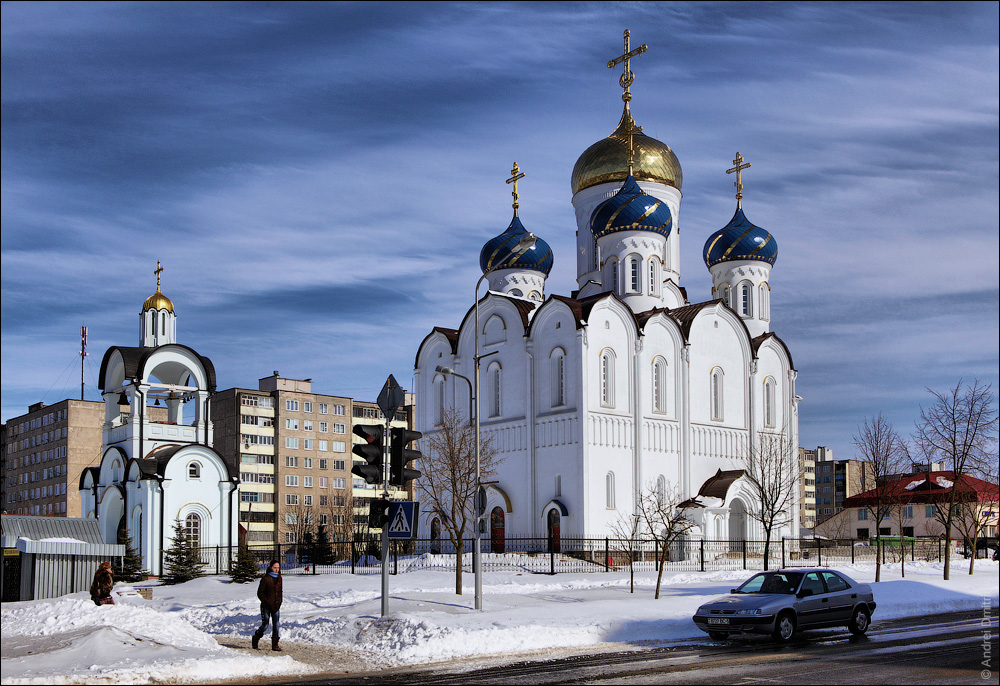
10 Images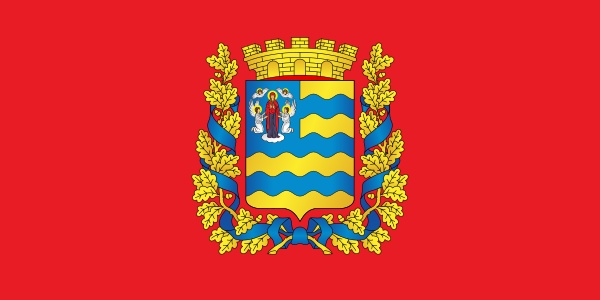


Geography and natural features
The landscape of Minsk Region is typical of central Belarus: predominantly flat or gently rolling terrain, with mixed forests, peat bogs and numerous rivers and lakes. One of the region's best-known natural landmarks is Lake Narach, the largest lake in Belarus, located in the northern part of the oblast. Rivers crossing the region form part of larger drainage basins that feed into major Belarusian waterways. Forest tracts and wetlands support diverse flora and fauna and are important for regional recreation and conservation.
Administrative divisions and settlements
Minsk Region is subdivided into multiple administrative units that organize local government and services. Key figures for the oblast include:
- 22 districts (raions)
- 307 rural councils (selsovets)
- 22 cities and around 20 urban-type settlements
Although the city of Minsk functions as the regional centre in practice, it has a separate status as the national capital. For official information about regional governance, see the region's administrative resources: Minsk Region administration. For general country context visit: Belarus. The city serving as the administrative hub is described further at: Minsk municipal page.
History and development
The area that is now Minsk Region has a long history tied to the broader historical developments of Belarus and Eastern Europe. It has been shaped by medieval settlement patterns, the shifting borders of European states, and modern administrative reforms carried out during the 20th century. Under Soviet administration the oblast structure was standardized and industrialization, transport links, and urban growth accelerated. Since Belarusian independence the region has retained its central economic and administrative importance.
Economy, infrastructure and transport
The region's economy combines industry, services and agriculture. Proximity to the national capital concentrates administrative functions, manufacturing, scientific institutions and higher education. Agricultural activity includes crop production and livestock, often on farms and cooperative enterprises outside the main urban centres. Major roads and rail corridors cross the oblast, linking Minsk with other parts of the country and with neighbouring states; regional airports and logistics hubs support commerce and travel.
Culture, nature and tourism
Minsk Region offers a mix of cultural attractions and natural sites. Visitors and residents find historical towns, memorials, local museums, religious architecture and festival traditions that reflect Belarusian culture. Natural tourism centers on lakes (notably Lake Narach), forests, reserves and trails for hiking, boating and birdwatching. Detailed information about visiting Lake Narach and other recreational sites can be found at regional tourist resources: Minsk Region tourism.
As a central part of Belarus, Minsk Region plays a significant role in the country's administration, economy and environment, bridging urban development with rural landscapes and natural areas.
Related articles
Author
AlegsaOnline.com Minsk Region (Minsk Oblast): geography, administration, economy and culture Leandro Alegsa
URL: https://en.alegsaonline.com/art/65305