
Weddell Sea — Antarctic basin, sea ice and oceanographic gateway
The Weddell Sea is a large, ice-covered sector of the Southern Ocean known for its persistent sea ice, the Weddell Gyre, deep-water formation, unique wildlife and a history of polar exploration.
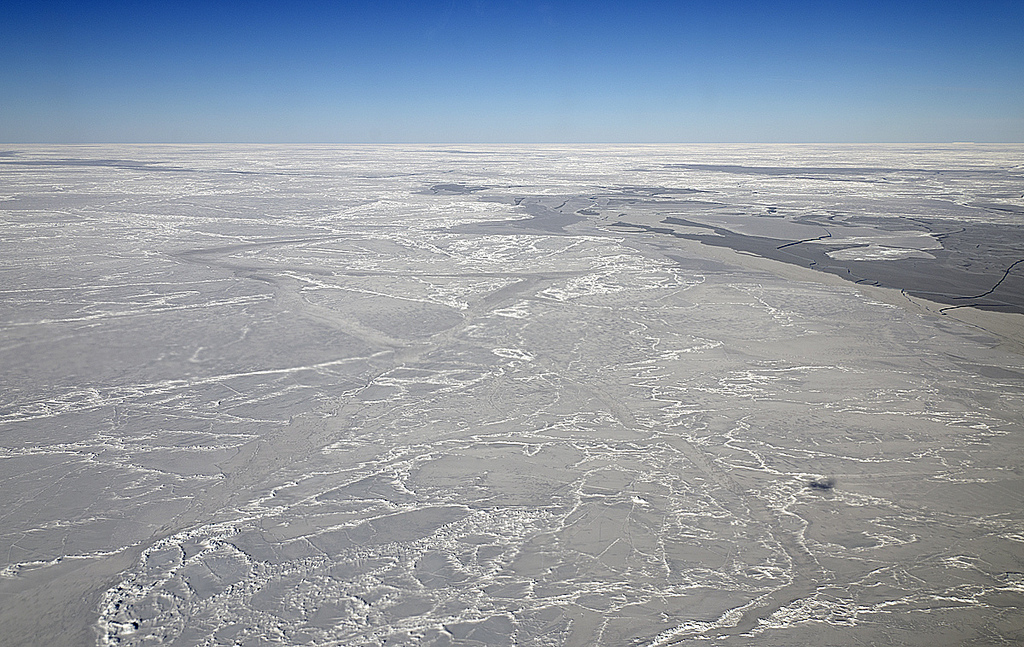
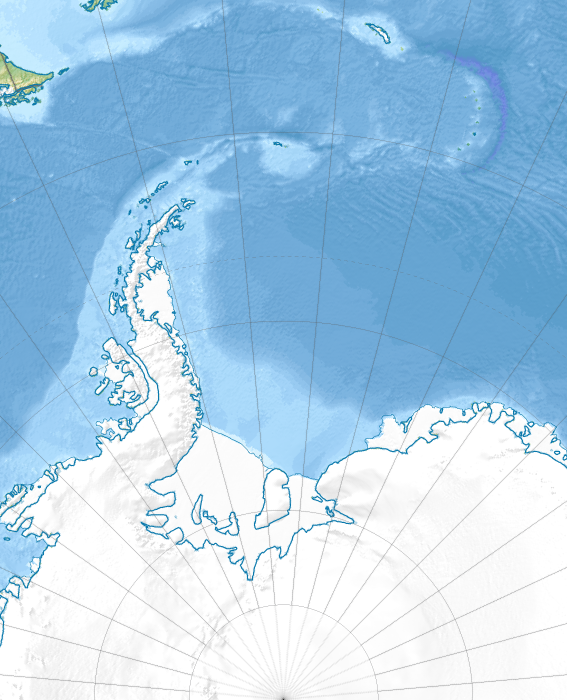
The Weddell Sea lies off the coast of Antarctica as a major embayment of the Southern Ocean. It is roughly two thousand kilometres across at its widest point and covers an area on the order of millions of square kilometres. The easternmost headland is Cape Norvegia on the Princess Martha Coast of Queen Maud Land; to the north its pack ice reaches toward islands such as Elephant Island. Much of the southern area of the sea is covered by permanent or semi-permanent sea ice and by the floating Filchner–Ronne ice shelf along the coast.
Image gallery
6 Images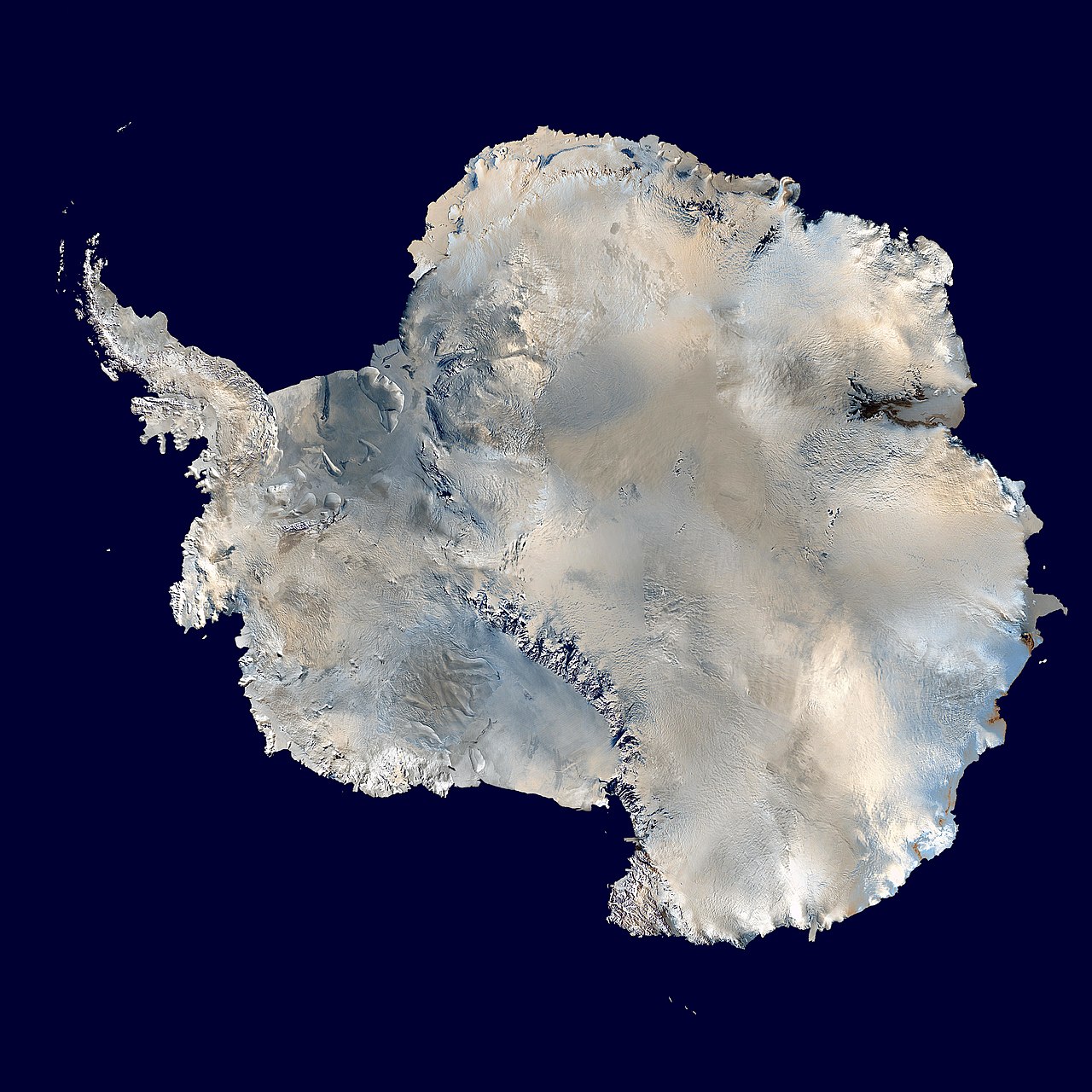


Physical characteristics and circulation
The Weddell Sea contains a large, clockwise ocean gyre known as the Weddell Gyre. This circulation helps distribute cold, saline water that sinks and contributes to Antarctic Bottom Water, an important component of global ocean circulation. The basin has deep water and extensive winter sea-ice formation; in summer the ice retreats but large floes and growlers remain. The water column is noted for exceptional optical clarity, and some studies have described parts of the Weddell Sea among the clearest of the world's oceans.
Ecology and marine life
Despite the harsh environment, the Weddell Sea supports a rich polar ecosystem. Primary productivity is seasonal and often tied to the marginal ice zone where algae and phytoplankton flourish under summer light. Krill and other zooplankton form the base of a food web that sustains seals, whales and seabirds. The Weddell seal is a well-known resident adapted to life on and beneath the ice; various penguin species and toothed and baleen whales also visit or forage in the area.
History and exploration
The sea is named for British seafarer James Weddell, who penetrated far to the south in 1823. In the early 20th century the Weddell Sea was the scene of dramatic polar exploration — most famously the Imperial Trans-Antarctic Expedition (Endurance) led by Ernest Shackleton, whose ship became trapped and crushed in Weddell Sea pack ice in 1915. Survivors reached Elephant Island and beyond, events that remain central to the region's human history and maritime lore.
Territorial claims and governance
Several countries assert overlapping territorial claims that include parts of the Weddell Sea region. Argentina and the United Kingdom have made claims in adjacent sectors, and Chile asserts a claim that overlaps with others. These assertions are administered within the framework of the Antarctic Treaty System, which places sovereign claims in abeyance and governs scientific activity and environmental protection in the region. See more on national positions for Argentina (Argentina) and Chile (Chile).
Importance and contemporary issues
The Weddell Sea plays a key role in Earth's climate system by producing dense water that helps drive the global overturning circulation. It is also an active focus of polar research: scientists monitor sea ice, ice-shelf stability, carbon uptake, and biodiversity. Climate change, changing sea-ice seasons and ice-shelf interactions are priorities for ongoing study because alterations in the Weddell Sea can have consequences beyond Antarctica, influencing ocean properties and sea level worldwide.
- Notable facts: the sea hosts one of Antarctica's largest ice shelves (Filchner–Ronne) and has been called among the clearest marine waters observed by optical researchers.
- Human connections: historic exploration, modern scientific stations and occasional fishing and ship activity (regulated) are the main points of contact between people and the Weddell Sea.
Because of its remote location, extreme weather and shifting ice cover, the Weddell Sea remains less accessible than many other marine regions, making it both scientifically valuable and logistically challenging for research teams and expeditions.
Related articles
Author
AlegsaOnline.com Weddell Sea — Antarctic basin, sea ice and oceanographic gateway Leandro Alegsa
URL: https://en.alegsaonline.com/art/107098