
Water Tower Place (Chicago)
Mixed-use skyscraper on Chicago's Magnificent Mile. Completed in 1976, it rises 262 m (859 ft) with 74 floors and houses a multi-level shopping center along with residences and offices.
Overview
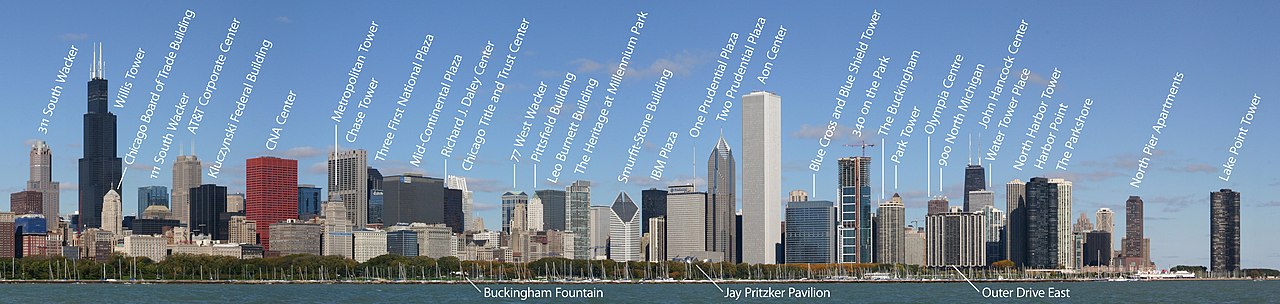
Water Tower Place is a mixed-use skyscraper on North Michigan Avenue in Chicago, United States. Rising to 262 meters (859 feet) with 74 floors, the building was completed in 1976 and occupies a prominent site near the historic Chicago Water Tower. It is a recognizable component of the Magnificent Mile streetscape and is visited by shoppers and tourists alike.
Image gallery
5 Images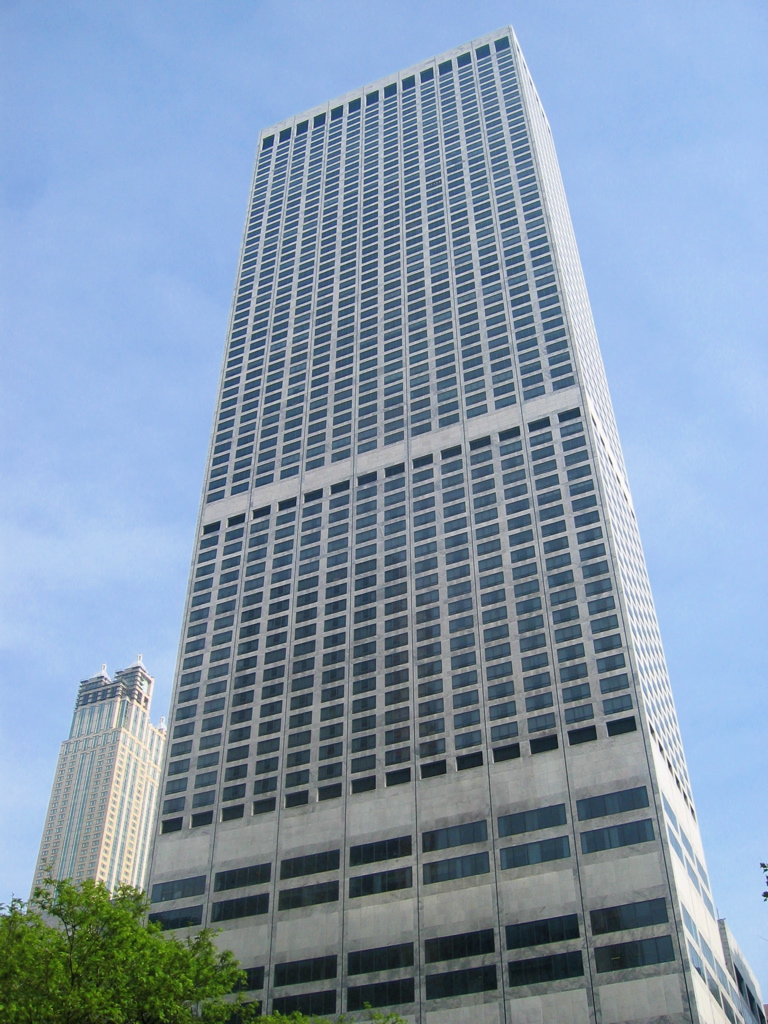



Design and primary features
The development combines vertical retail space with residential and commercial floors. Its principal characteristics include a tall, slender tower above a low-rise podium that contains a multi-level shopping mall. Typical elements are:
- Extensive retail concourses and food-service outlets concentrated in the podium.
- Upper floors used for apartments, offices, and support services.
- A prominent street-level presence that connects directly to the surrounding urban fabric.
History and development
The project was completed in 1976 as part of wider downtown redevelopment and the shift toward mixed-use urban complexes in the 1970s. It helped popularize the concept of vertical malls—retail centers stacked within high-rise structures—and has undergone periodic renovations to modernize interiors and storefronts.
Uses and importance
Water Tower Place functions as a retail destination, residential address, and office location. The combination of uses keeps the site active throughout the day and evening, supporting tourism, local shopping, and urban living. Its location near major cultural attractions makes it a convenient hub for visitors to Chicago.
Notable facts and distinctions
While not the tallest building in the city, the tower's height and prime location give it a distinctive role along Michigan Avenue. It sits close to the landmark Water Tower and contributes to the commercial identity of the Magnificent Mile. For more information about the building and its surroundings see general references for Chicago and U.S. architecture history: Chicago, United States. Historical construction details and milestones are documented in period sources from 1976 and later publications: construction and completion records.
Related articles
Author
AlegsaOnline.com Water Tower Place (Chicago) Leandro Alegsa
URL: https://en.alegsaonline.com/art/106817