
Water taxi: urban passenger boats and their roles in city transport
A water taxi is a small passenger boat used in urban waterways for scheduled or on-demand transit. This article explains types, operation, history, uses, and how water taxis differ from ferries and sightseeing boats.
Overview
A water taxi is a small to medium-sized vessel used to carry passengers on rivers, harbors, canals and other urban waterways. Operators may run services on fixed timetables with multiple stops, or operate on-demand routes that pick up and drop off passengers at specific locations. In many cities water taxis are part of the public transport network or complement land-based options such as buses and metros; some operate as privately run services focused on convenience or tourism. For general information on transit integration see public transport.
Image gallery
10 Images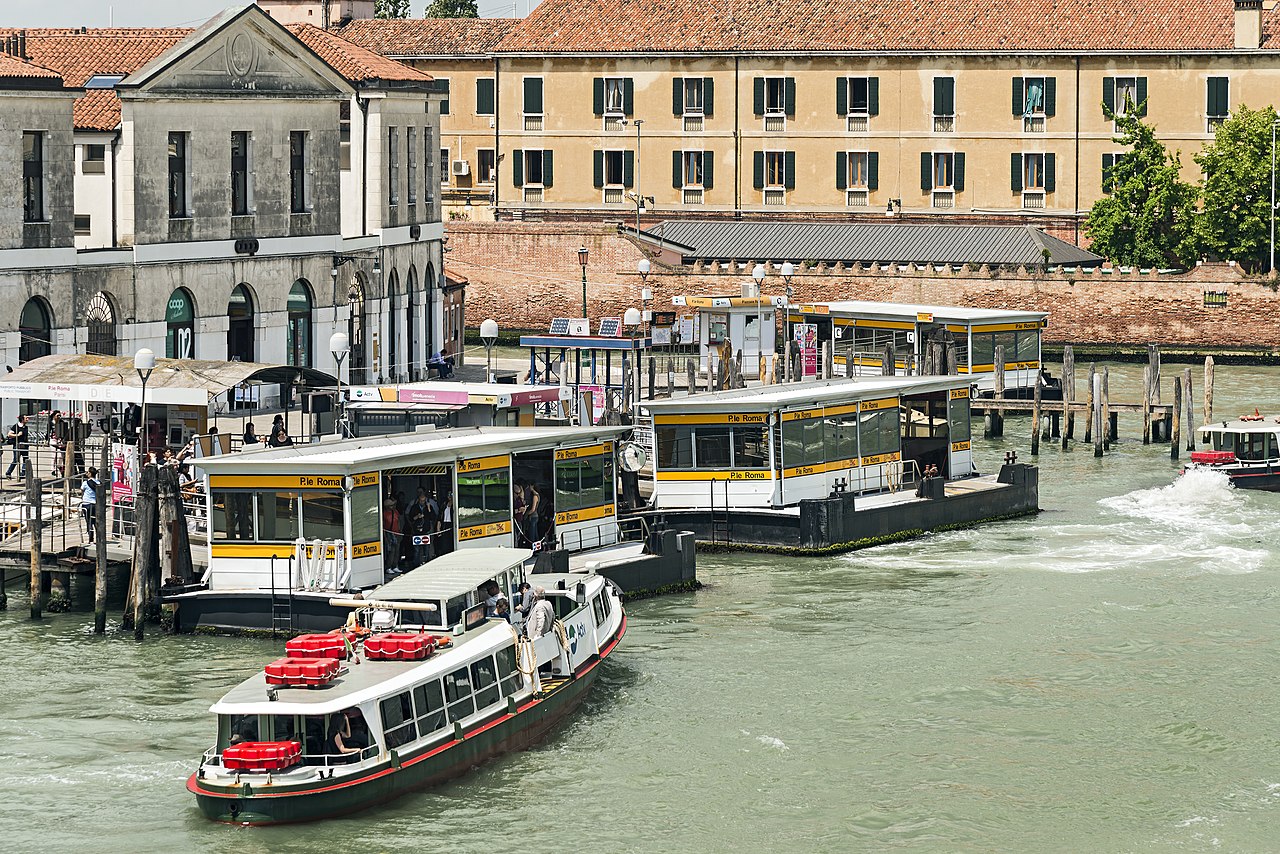


Characteristics and vessel types
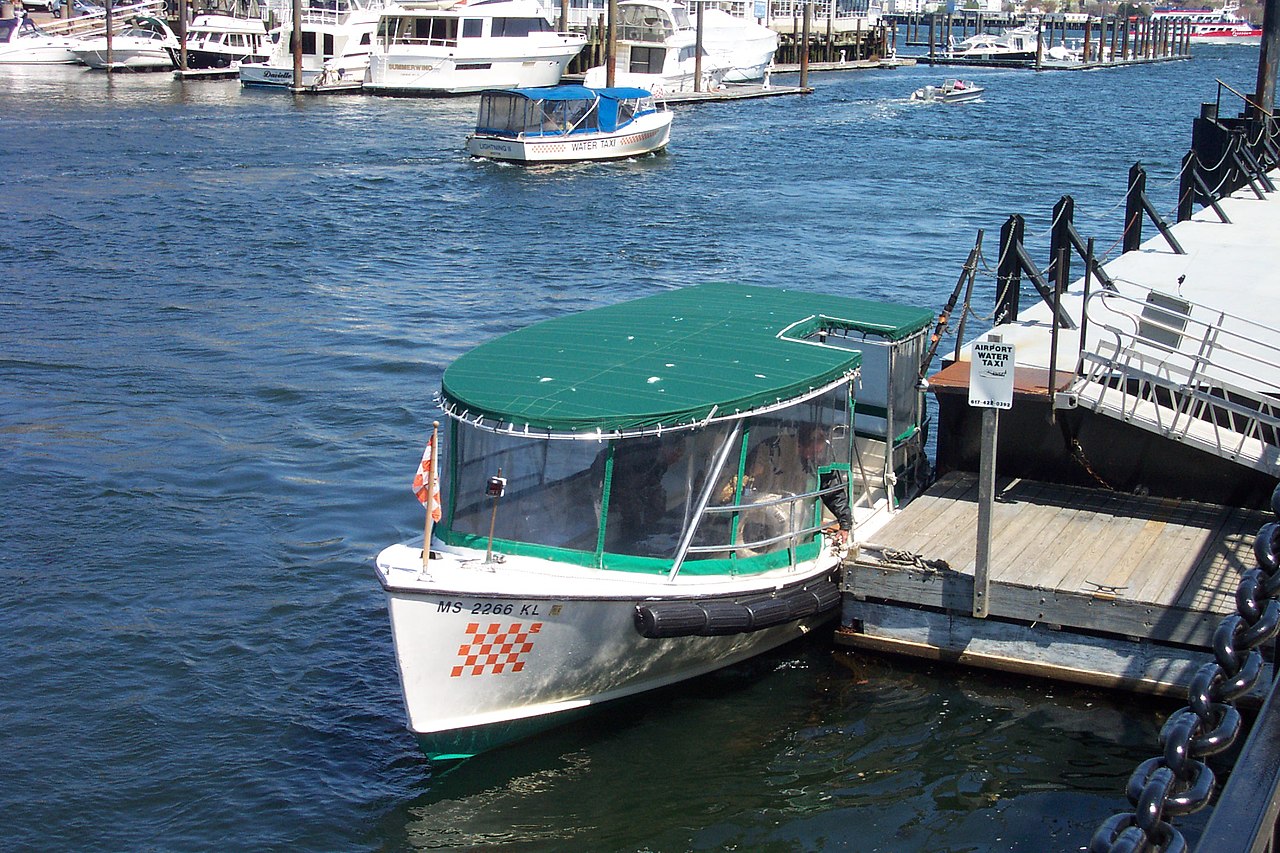
Water taxis vary widely in design. Common types include small motor launches, open-deck boats, enclosed launches for colder climates, and fast catamarans for longer urban routes. Propulsion ranges from conventional diesel outboards to increasingly popular hybrid or electric drives intended to reduce noise and emissions. Passenger capacity is typically lower than ferry vessels, often designed for short hops, quick boarding, and easy access for luggage or bicycles.
Operation, ticketing and safety
Services may operate on a fixed schedule with designated piers or on a hail-and-ride basis where passengers request pick-up at approved locations. Ticketing systems are sometimes integrated with city transit cards or apps, and payment methods include cash, contactless cards, and mobile tickets. Operators must comply with maritime safety regulations, life-saving equipment standards, and local port authority requirements. For examples of service planning and policy references, see urban water transport.
History and development
Urban waterborne passenger services have existed where waterways are a practical alternative to congested roads. Traditional water taxis were common in historic canal cities; in modern times many metropolises have reintroduced or expanded services to relieve traffic, encourage tourism, or provide resilient transport options. Advances in hull design, passenger comfort, and electric propulsion have influenced recent growth.
Uses, examples and distinctions
Water taxis serve commuters, visitors, and people accessing waterfront destinations. Notable roles include short cross-harbour commutes, feeder links to rail stations, and bespoke charter services for events. They are distinct from ferries, which typically connect fixed terminals on longer routes and carry larger numbers of passengers or vehicles; sightseeing boats focus on guided tours rather than point-to-point transport. Operators and planners balance speed, frequency, cost and environmental impact when designing services. For further comparisons and case studies see service models and policy resources at planning references.
- Main advantages: flexibility, direct waterfront access, relief for road congestion.
- Challenges: weather dependency, pier infrastructure needs, regulatory oversight.
- Trends: electrification, digital booking, integration with multimodal networks.
Related articles
Author
AlegsaOnline.com Water taxi: urban passenger boats and their roles in city transport Leandro Alegsa
URL: https://en.alegsaonline.com/art/106816