
Watchtower: purpose, design, history and modern uses
A watchtower is a raised structure for observation and early warning. This article covers typical features, historical development, signalling methods, varied uses (military, prisons, forestry) and modern adaptations.
Overview
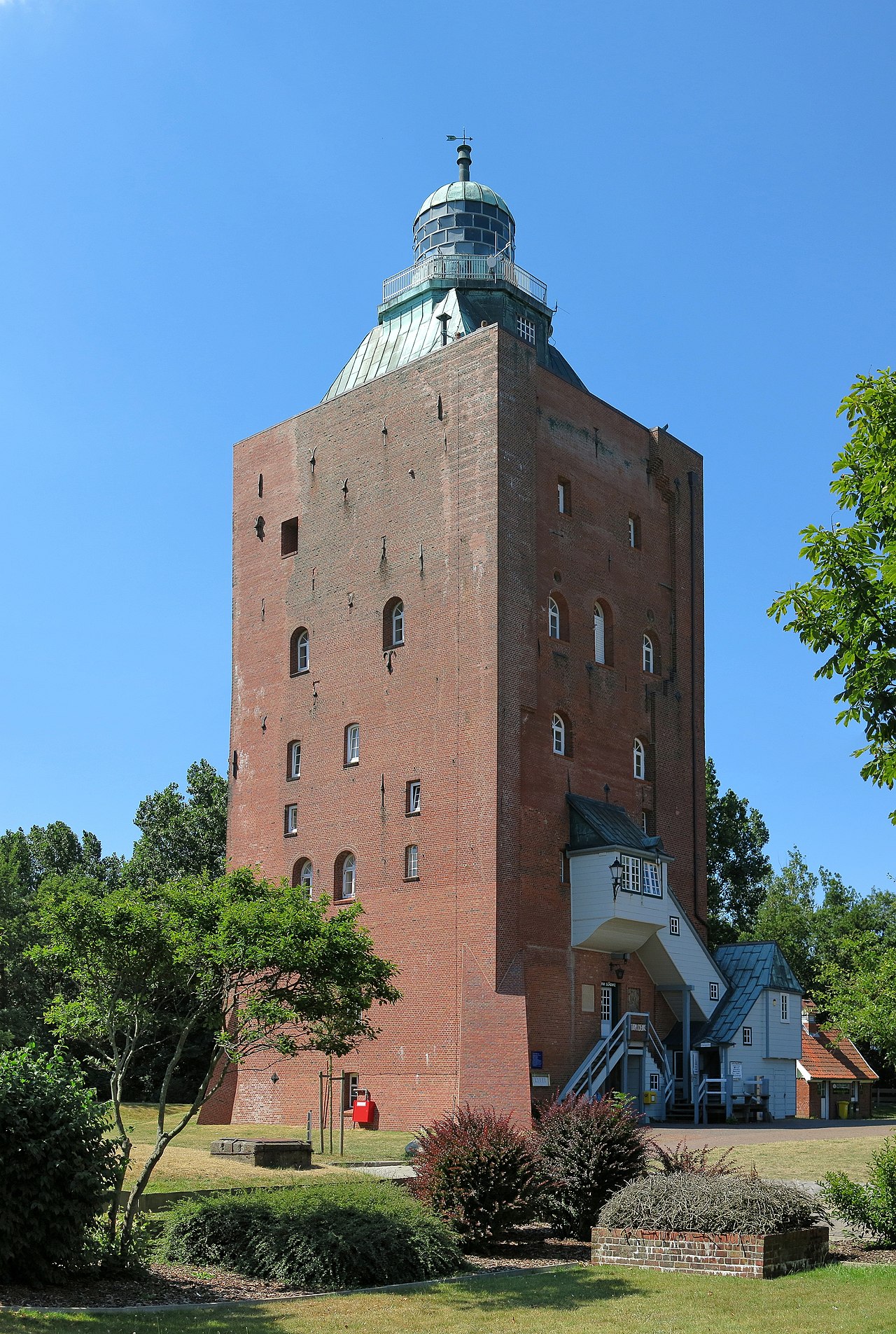
A watchtower is a raised structure built to give an observer a wide, unobstructed view of the surrounding area. Historically they were positioned on city walls, hilltops or borders to provide early warning of approaching forces and to control territory. The term overlaps with other tower types but normally implies active human observation and a role in security or early warning; see a general discussion of towers at tower (general) and the practice of monitoring at surveillance.
Image gallery
10 Images




Design and characteristics
Designs vary with purpose and era, but common elements include a raised observation platform, protected shelter for sentries, and means of access such as stairs or ladders. Defensive towers often have narrow embrasures or loopholes, thick masonry walls and a vantage point for signalling. In contrast, forest lookout towers tend to be lightweight and tall to rise above vegetation and normally include a small cabin for the watcher and basic living provisions.
- Materials: timber, stone, brick, concrete or steel, chosen for availability and the intended lifespan of the structure.
- Features: observation deck, shelter, signalling equipment (beacons, flags, horns), and later optical aids such as telescopes and binoculars.
- Placement: located to maximise lines of sight — on walls, promontories, or high ground — and sometimes arranged in a network so information could be relayed.
History and development
Communities and states have long used towers where early warning or territorial surveillance was important. Comparable structures existed before, during and after the medieval period; in many frontier systems towers formed chains used to pass signals over distance. Improvements in communications reduced the need for continuous manual observation in some places, but the basic concept persisted where a human eye remains valuable.
Signalling and communications
Traditional signalling methods included fire beacons, smoke, flags and mirrors; such techniques allowed rapid transmission of simple messages across linked towers. With technological change these methods were supplemented or replaced by telegraphy, radio, wired telephone connections and, more recently, cameras, sensors and digital networks.
Uses and examples
- Military and border surveillance: early warning, watching troop movements and relaying alerts along defensive lines.
- Prison security: guard towers placed to observe inmates and control perimeters; for further context see prison watchtowers.
- Forest fire detection: lookouts that spot smoke for early response; these remain part of many forestry services (forestry lookouts).
- Coastal and harbour observation: monitoring approaches and activity, complementary to navigational aids.
Modern adaptations and preservation
Many traditional watchtowers have been retired, preserved as heritage or adapted for tourism. In operational contexts they are often fitted with modern sensors, communications equipment and CCTV, or supplemented by aerial reconnaissance such as drones. In some remote areas human lookouts remain the most reliable means of early detection for fires or local activity.
Distinctions and notable facts
Watchtowers differ from lighthouses in purpose: lighthouses guide navigation while watchtowers observe and warn. They are related to observation towers and lookout posts but usually denote an active guarding role. For historic context on medieval uses see the Middle Ages. Practical discussions of tower construction and contemporary surveillance methods can be found through specialist sources and technical guides.
Related articles
Author
AlegsaOnline.com Watchtower: purpose, design, history and modern uses Leandro Alegsa
URL: https://en.alegsaonline.com/art/106778