
Surveillance: methods, purposes, history, and debates
Surveillance is systematic observation or monitoring of people, places, or information. This article explains methods, historical development, uses, and the legal and ethical issues surrounding surveillance practices.
Surveillance refers to the organized observation, recording, or monitoring of persons, places, objects, or data. It ranges from informal eavesdropping to sophisticated state programs that collect communications and imagery on a large scale. While the basic aim is to gather information, motives vary: law enforcement and intelligence seek evidence, businesses monitor productivity or prevent fraud, and public authorities may track public safety threats. Surveillance affects privacy, civil liberties, and social behavior, so its deployment and limits are frequently debated.
Image gallery
10 Images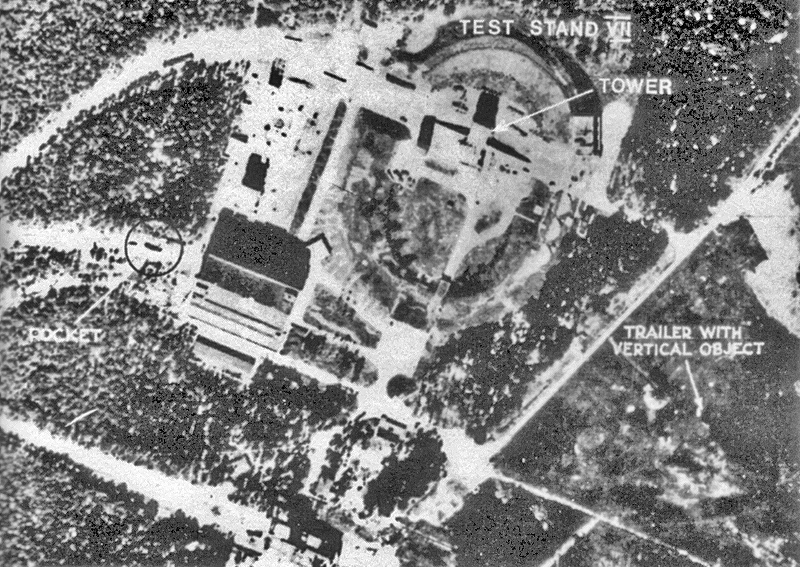




Common methods and technologies
Techniques of surveillance are diverse and continually evolving as technology changes. Traditional approaches include physical observation by human agents and electronic interception such as telephone tapping. Modern tools expand this to digital realms and remote sensing:
- Closed-circuit television (CCTV): stationary or mobile cameras used in public and private spaces.
- Signals intelligence (SIGINT): interception of radio, satellite, or internet communications—often employed by states and militaries.
- Metadata collection: recording who communicated with whom, when, and where, without necessarily capturing content.
- Location tracking: GPS, cell-site triangulation, and Wi‑Fi or Bluetooth probes that reveal movement patterns.
- Online monitoring and analytics: scraping social media, web logs, and commercial data to profile behavior and preferences.
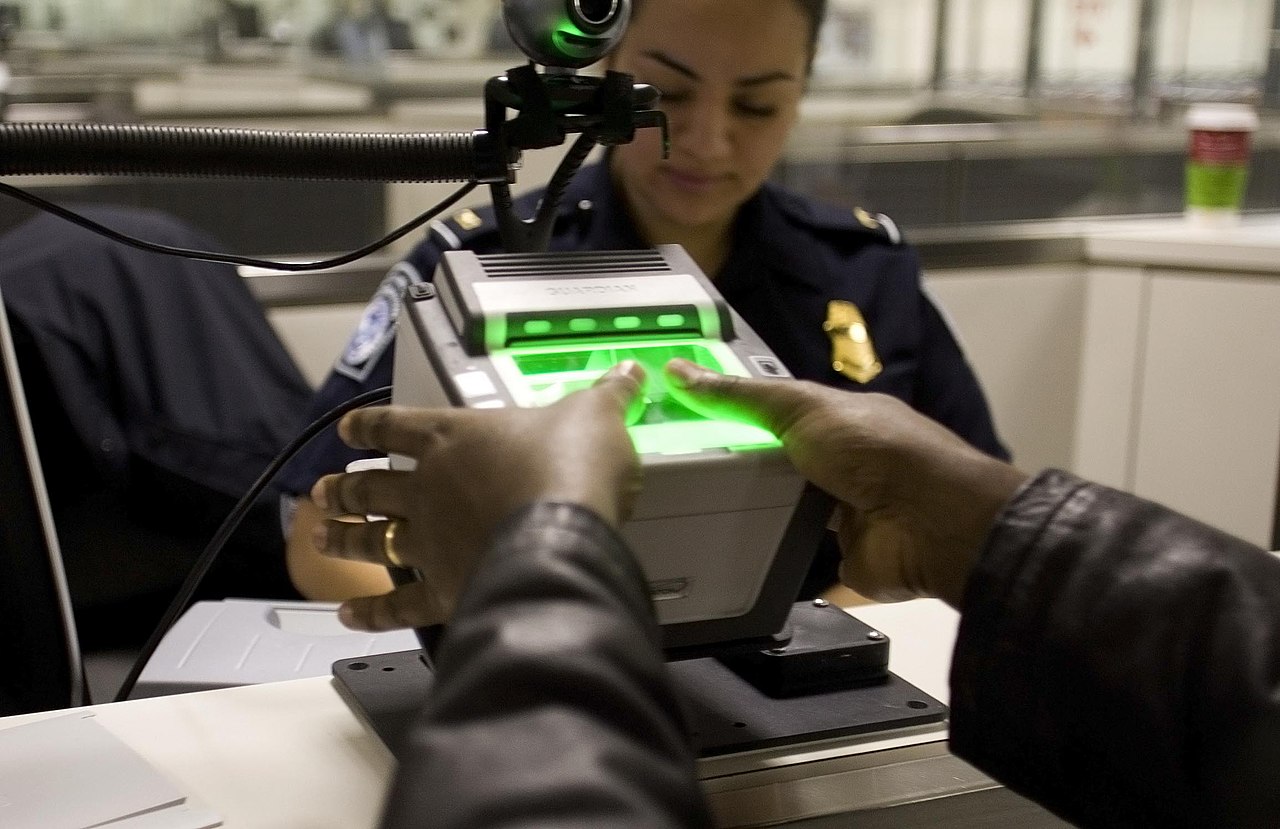
- Unmanned systems and sensors: drones, acoustic sensors, and facial recognition systems that extend reach and automate detection.
History and development
Surveillance has long roots: governments historically used human scouts, messengers, and covert agents to gain advantage. The telegraph and telephone made electronic interception possible, and the 20th century saw formalized intelligence agencies and dedicated listening facilities. In recent decades, the internet and cheap cameras have democratized surveillance capability—enabling widespread corporate and civilian use as well as expanded state programs. Large-scale signals centers and satellite stations illustrate how national security priorities can centralize monitoring resources; such facilities often support both defense and diplomatic objectives, used by governments and the military.
Technology has shifted emphasis from isolated wiretaps to mass data collection and automated analysis. Machine learning and biometric systems make it feasible to search vast data sets for patterns, raising new questions about accuracy, bias, and accountability.
Uses, benefits, and examples
Surveillance supports many legitimate functions: preventing and investigating crime, coordinating emergency response, protecting critical infrastructure, and enforcing workplace rules. Public health programs may use aggregated mobility data to track disease outbreaks, while transportation systems rely on cameras and sensors to manage traffic. Corporations use monitoring to secure networks, detect fraud, and personalize services.
Legal, ethical, and social concerns
Surveillance presents trade-offs between collective benefits and individual rights. Key concerns include invasions of privacy, chilling effects on free expression, discriminatory targeting, and mission creep where temporary measures become permanent. Legal frameworks differ widely; oversight mechanisms such as warrants, judicial review, transparency reports, and independent audits are used to constrain abuse. Civil society and international bodies continue to debate what limits and safeguards should apply, especially when technologies enable remote mass collection or opaque automated decisions.
Understanding surveillance requires attention to context—who is watching, with what tools, for what purpose, and under what constraints. Public discussion and clear legal standards remain central to balancing security, commercial interests, and personal freedoms in an era of powerful observation technologies.
Questions and answers
Q: What is surveillance?
A: Surveillance means watching someone or something.
Q: What are some methods used for surveillance?
A: Many methods are used including telephone tapping to listen to the person's calls and putting an electronic listening device, a bug, into a room.
Q: Who uses surveillance?
A: Governments and the military have built large facilities designed to listen in to communications between other governments and military groups.
Q: Where is one example of a large surveillance base located?
A: The U.S. has a large base at Pine Gap near Alice Springs, Australia, which listens to communication signals from all over the world.
Q: What is eavesdropping?
A: Eavesdropping is also surveillance, but often without much planning. It means listening to things you aren't supposed to hear.
Q: Is eavesdropping a deliberate act?
A: Yes, eavesdropping is a deliberate act, rather than simply overhearing someone else talking.
Q: How does eavesdropping differ from other forms of surveillance?
A: Eavesdropping is often without much planning and involves listening to things you aren't supposed to hear, while other forms of surveillance are more planned and deliberate.
Related articles
Author
AlegsaOnline.com Surveillance: methods, purposes, history, and debates Leandro Alegsa
URL: https://en.alegsaonline.com/art/95213
Sources
- eyetap.org : eyetap.org
- ro.uow.edu.au : ro.uow.edu.au/cgi/viewcontent.cgi?article=2510&context=infopapers