
Watchdog timer
A watchdog timer is a hardware or software supervisory timer that detects and recovers from system malfunctions by triggering interrupts or resets when a running system fails to regularly 'pet' the timer.
Overview
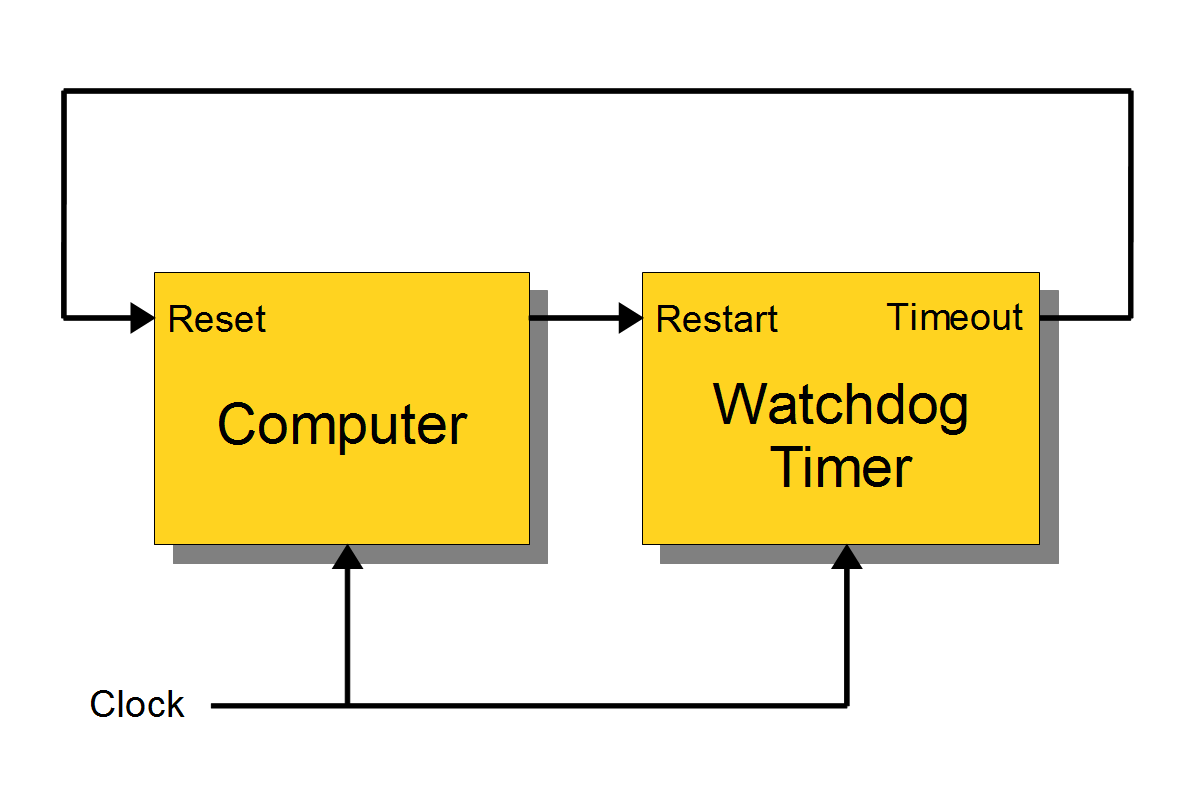
A watchdog timer is a supervisory mechanism used in electronic systems to detect software or hardware malfunctions and to recover the system to a known state. The basic idea is simple: the monitored system must periodically reset or "kick" the timer. If the timer is not serviced within a predefined interval, it assumes the system is not operating correctly and takes a predefined action, such as generating an interrupt or forcing a reset.
Image gallery
7 Images



How it works
Most watchdogs consist of a countdown timer and an action that occurs on timeout. The monitored software or a supervising circuit regularly writes to a control register or sends a signal to restart the countdown. If normal operation continues, the timer never reaches zero. If the system hangs, the timer expires and the watchdog performs its configured response, which can be a non-maskable interrupt, a soft recovery attempt, or a full hardware reset.
Types and components
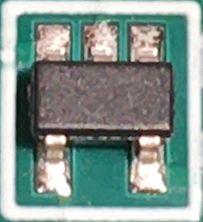
- Hardware watchdogs: Implemented in dedicated silicon either inside a microcontroller or as an external supervisor chip. They are valued for independence from a hung CPU.
- Software watchdogs: Implemented in code, often as a background task or within an operating system. They are simpler but rely on the software stack and therefore can be less reliable in some failure modes.
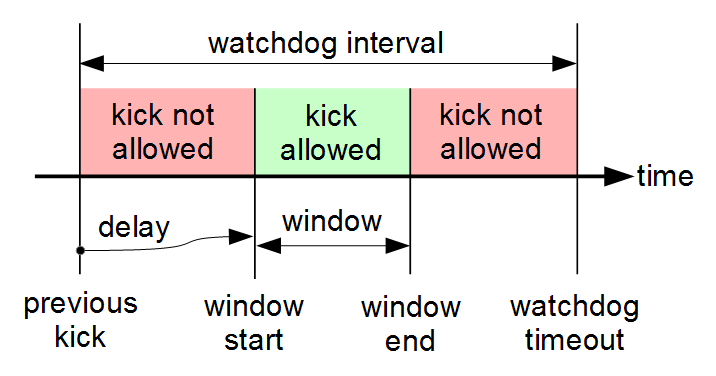
- Windowed watchdogs: Require the service call to occur within a timing window, preventing both too-early and too-late servicing, which helps catch timing faults.
Typical elements include the timer counter, a service/kick interface and a timeout action (reset, interrupt, or alert). External supervisor chips may also provide power monitoring and brown-out detection in addition to watchdog functionality.
History and development
Watchdog timers emerged with early embedded and telecommunications equipment as a practical way to improve reliability in systems that could not be manually overseen constantly. Over time they migrated into microcontrollers and system-on-chip designs and became a standard feature in consumer, industrial, automotive and aerospace electronics. Designs evolved to include multi-stage recovery, programmable timeouts and windowed operation to address a wider range of failure modes.
Uses and examples
Watchdogs are used wherever unattended or safety-sensitive systems must remain available. Common applications include:
- Embedded devices and microcontroller-based products such as routers and appliances.
- Automotive systems for maintaining control functions under software faults.
- Industrial control, medical devices and aerospace systems where remote recovery is essential.
- Server and network equipment to reboot hung services automatically.
Design considerations and notable facts
Choosing a watchdog timeout requires balancing responsiveness and false triggers: too short can reset during long but valid operations; too long delays recovery. Designers also distinguish between internal watchdogs that share system clocks and independent external supervisors that remain functional when the main clock stops. It is common to describe the servicing action as "petting" or "kicking" the watchdog.
Watchdogs are often integrated with broader fault-detection strategies and, in safety-critical contexts, subject to regulatory guidance and best practices. For more technical details, consult component datasheets or system design guides: component overview, system-level guidance, hardware implementations, software approaches, and timeout signaling options.
Related articles
Author
AlegsaOnline.com Watchdog timer Leandro Alegsa
URL: https://en.alegsaonline.com/art/106771