
Walter Burkert: Scholar of Greek Religion and Myth
Walter Burkert (1931–2015), influential German classicist whose comparative and ritual-focused studies of Greek myth and cult reshaped modern scholarship.
Walter Burkert (born 2 February 1931 in Neuendettelsau; died 11 March 2015 in Zurich) was a German scholar best known for studying Greek mythology and cult. He held a long professorship in classics at the University of Zurich and taught at institutions in the United Kingdom and the United States. Burkert combined philology, archaeology and comparative anthropology to treat myth and ritual as connected social phenomena rather than simply literary objects. His work influenced classicists, historians of religion and anthropologists from the 1960s onward.
Image gallery
1 Image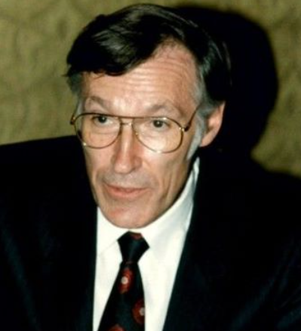
Approach and themes
Burkert argued that myths must be examined alongside material evidence of cult practice: inscriptions, votive offerings, and iconography. He emphasized sacrificial ritual—especially animal sacrifice—and its role in structuring communal identity. His method was comparative but cautious: he drew on ethnography and Near Eastern parallels to illuminate Indo-Greek contexts while attending closely to Greek linguistic and textual detail.
Major works and concepts
- Homo Necans (often cited for its analysis of ritualized killing and its cultural echoes)
- Greek Religion (a synthetic account of archaic and classical cult practices and beliefs)
- Studies on the interplay of myth, ritual, and iconography, and investigations into the influence of Near Eastern traditions on Greece
These works are widely used as foundational texts for courses on ancient religion and myth, and many have been translated into English and other languages.
Influence and legacy
Burkert shifted attention from purely literary readings of myth to interdisciplinary readings grounded in archaeological and anthropological evidence. He trained generations of students and frequently engaged with poets, philosophers, and historians. His insistence on rigorous philological grounding coupled with broader theoretical perspectives opened new lines of inquiry into how ritual shapes narrative and vice versa.
Notable facts and distinctions
- He wrote primarily in German but many of his major titles are available in translation, making his ideas accessible internationally.
- His comparative stance balanced innovation with scholarly caution, avoiding unsupported speculation while exploring cross-cultural parallels.
- Burkert’s work continues to be a touchstone for debates about the relationship between cult practice and mythic narrative.
For further reading on Burkert’s life and scholarship, consult introductions to modern studies of Greek religion and specialized bibliographies. General overviews and critical discussions of his methods appear in works addressing ancient ritual studies and comparative mythology. Additional resources and biographical notes are available through institutional pages and academic reviews that survey his influence across disciplines. Scholar profile • Greek mythology studies
Related articles
Author
AlegsaOnline.com Walter Burkert: Scholar of Greek Religion and Myth Leandro Alegsa
URL: https://en.alegsaonline.com/art/106355