
Walter Camp
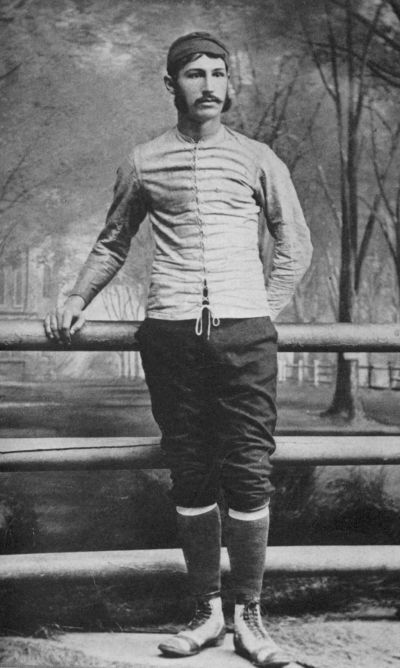
Walter Camp (1859–1925), Yale athlete, coach and writer, was a key architect of modern American football, credited with introducing the line of scrimmage, the system of downs, player positions, and the All-America team.
Overview
Walter Chauncey Camp (1859–1925) was an American athlete, coach, rules leader and sports writer who helped transform a rugby-style game into the distinct sport known today as American football. Active in the late 19th and early 20th centuries, Camp combined practical experience as a player and coach with long service on rules committees and regular publications explaining and defending proposed changes.
Image gallery
4 Images


Major contributions
Camp is widely credited with creating structural features that distinguish American football from its antecedents. His influence took many forms, including formal rule proposals, organizational work, and public advocacy. Among the innovations associated with him are:
- Establishing a line of scrimmage and the controlled exchange of the ball to begin play.
- Developing a system of downs to require forward progress within a limited number of plays.
- Standardizing team size and specialized player positions that encouraged tactical play.
- Helping to shape early scoring systems and other rules that made the game more strategic and spectator-friendly.
Career and writings
Camp played and coached at Yale and spent many years on intercollegiate rules committees, where he proposed, debated and refined rule changes. He also wrote widely about the sport, compiling guides, commentaries and season summaries that spread his ideas beyond a single college or region. His annual selection of an "All-America" team became an influential tradition that celebrated outstanding players and helped define standards of excellence.
Legacy and significance
Called the "Father of American Football," Camp's work helped turn a chaotic, loosely organized pastime into a codified, tactical sport with national appeal. His rule proposals were often incremental, seeking to balance safety, fairness and excitement, and many of his concepts endured as the foundation for later developments. Institutions, historians and sportswriters continue to credit him for shaping the early direction of the game.
Notable facts and context
While Camp was not the sole inventor of every rule change, his combination of practical coaching experience, committee leadership and public explanation gave his proposals exceptional influence. Debates about safety, player roles and amateurism in college sport continued after his death, but much of the basic structure of American football reflects the era in which he worked. For a concise introduction to his life and role in the sport, see further reading.
Related articles
Author
AlegsaOnline.com Walter Camp Leandro Alegsa
URL: https://en.alegsaonline.com/art/106356