
Walter Duncan (1848–1932) — British painter and watercolour artist
British painter Walter Duncan (1848–1932) worked in drawing, pastel, watercolour and oil. Trained by his father Edward Duncan, he painted landscapes, figures and domestic scenes and remained active in London and Surrey.
Overview
Walter Duncan (1848–1932) was a British artist who worked across several media, most notably watercolour and pastel. Born in London and later resident in Surrey, he belonged to a generation of late 19th‑ and early 20th‑century painters who combined careful draughtsmanship with an interest in atmosphere and daily life. Biographical summaries and collection entries give a concise picture of his life and practice; for further reading see biographical resources.
Image gallery
2 Images
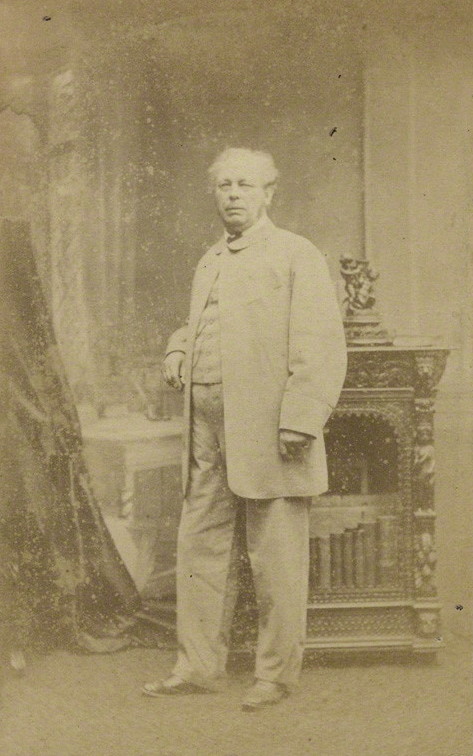
Life and training
Duncan received his earliest artistic education in the family studio. His father, Edward Duncan, was an established watercolourist and a member of the Royal Society of Watercolours, and Walter absorbed techniques and professional habits there before developing his own subjects and palette. He spent much of his working life associated with London and later lived and worked in Surrey, dying in Richmond in 1932. Local archives and gallery catalogues occasionally reproduce details of his residences and exhibitions; a useful starting point is archival summaries.
Works and media
- Drawing: preparatory studies and detailed pencil work used to plan compositions.
- Pastel: employed for intimate figure and interior passages with soft color transitions.
- Watercolour: a principal medium, used for landscapes and smaller genre scenes with transparent washes.
- Oil: occasional larger or more finished pictures, showing a firmer handling of form.
Examples and images of these techniques are discussed in specialist catalogues and gallery pages; a general survey can be found at collection and gallery entries.
Subjects and style
Duncan worked in a broadly representational mode. He frequently painted landscapes, figure studies and domestic interiors, favouring clear compositions, gentle tonal modelling and attention to light. His watercolours, in particular, tend to show meticulous draughtsmanship combined with delicate colour washes. While not radical in the modernist sense, his practice reflects the Victorian and Edwardian interest in observation, atmosphere and everyday subject matter.
Exhibitions, reception and legacy
During his career Duncan exhibited in public venues in London and the regions; his works have since entered private collections and occasionally appear on the art market or in museum holdings. Art historians place him within the continuity of British watercolour painting that includes a strong tradition of studio training and family lineages of artists. For published listings, auction records and institutional holdings consult museum and sale databases.
Collectors and students approach Duncan's paintings for their technical competence and for the way they document late 19th‑century British taste in subject and colour. Research into regional exhibition catalogues and family archives can yield further details about his career and specific works.
Questions and answers
Q: Who was Walter Duncan?
A: Walter Duncan was a British painter.
Q: Where was Walter Duncan born?
A: Walter Duncan was born in London.
Q: When did Walter Duncan die?
A: Walter Duncan died in 1932.
Q: What was Walter Duncan's father's name?
A: Walter Duncan's father's name was Edward Duncan.
Q: What was Edward Duncan's profession?
A: Edward Duncan was a member of the "Royal Society of Watercolours" in London.
Q: In which art mediums did Walter Duncan express himself?
A: Walter Duncan expressed himself with drawing, pastels, watercolor and oil.
Q: Where did Walter Duncan live during his life?
A: Walter Duncan lived in London, then later in Surrey.
Related articles
Author
AlegsaOnline.com Walter Duncan (1848–1932) — British painter and watercolour artist Leandro Alegsa
URL: https://en.alegsaonline.com/art/106359