
Waco siege (1993): raid, siege, and aftermath
A 1993 federal and Texas law enforcement operation against the Branch Davidians at the Mount Carmel ranch near Waco, Texas, that began with an ATF raid and ended 51 days later in a deadly fire and controversy.
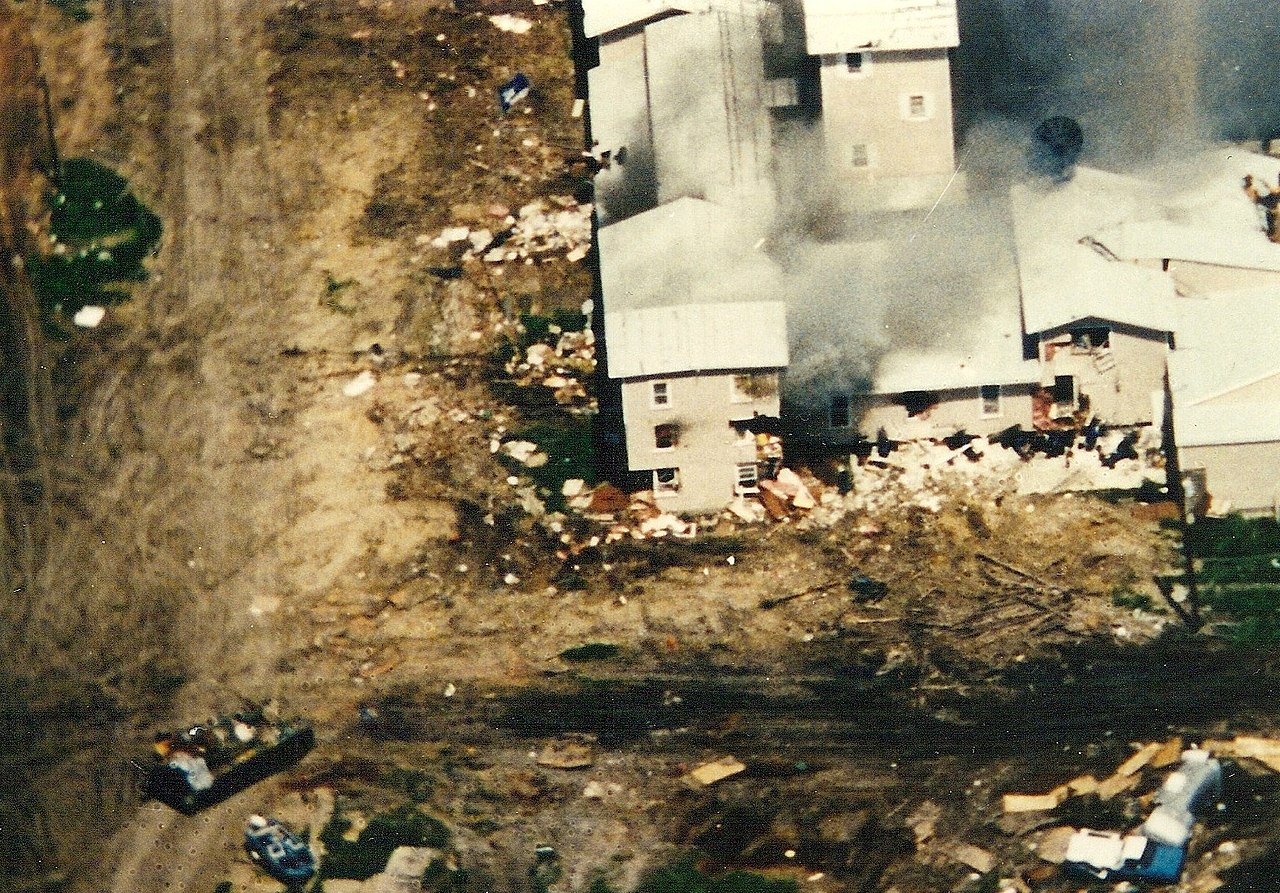
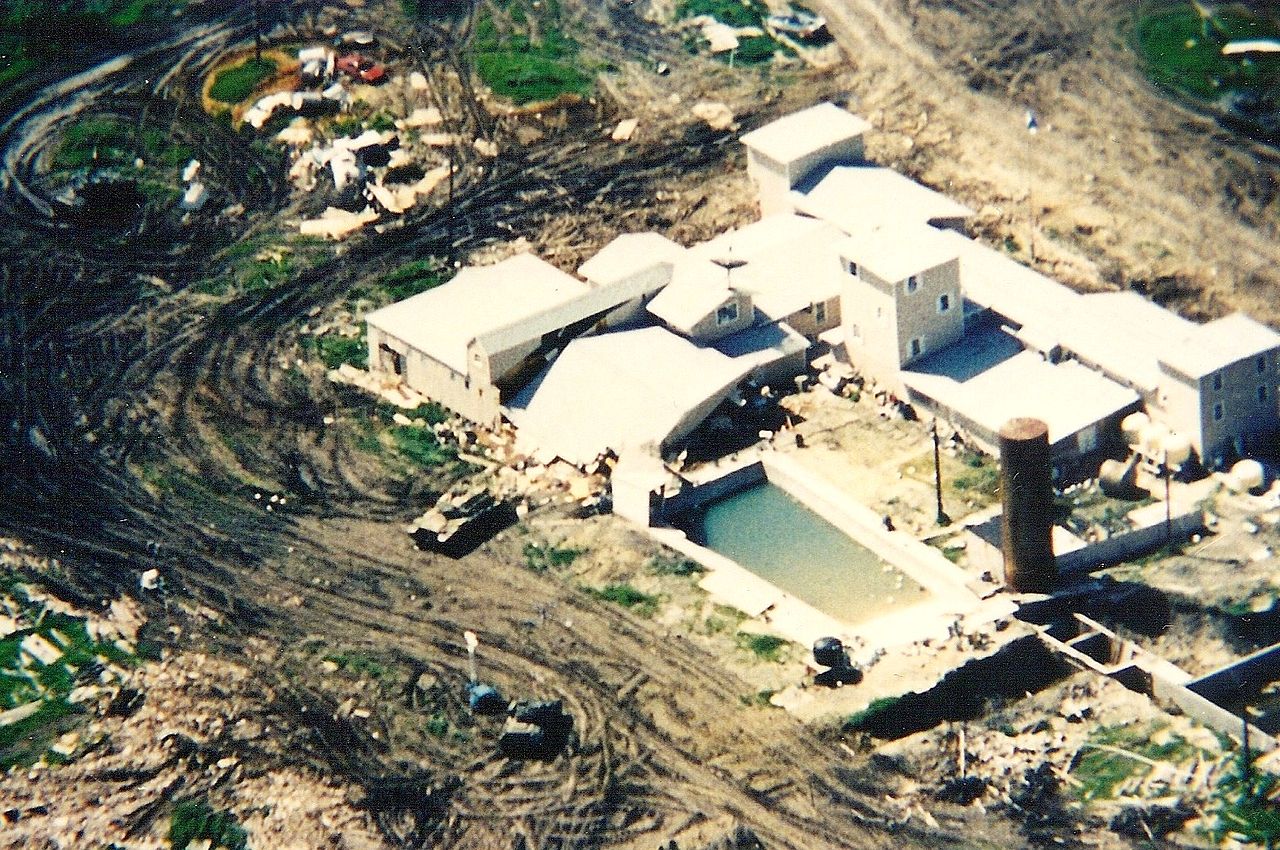
The Waco siege was a high-profile law enforcement operation that began on February 28, 1993, and ended on April 19, 1993. It centered on the Mount Carmel Center, a ranch near Axtell, Texas, occupied by the religious group known as the Branch Davidians. An initial attempt by the Bureau of Alcohol, Tobacco and Firearms to serve a search and arrest warrant sparked an exchange of gunfire. After casualties on both sides, federal agencies established a prolonged standoff that attracted national attention. The operation involved multiple agencies and raised enduring questions about tactics, command decisions and the causes of the final conflagration; see the original accounts of the siege.
Image gallery
10 Images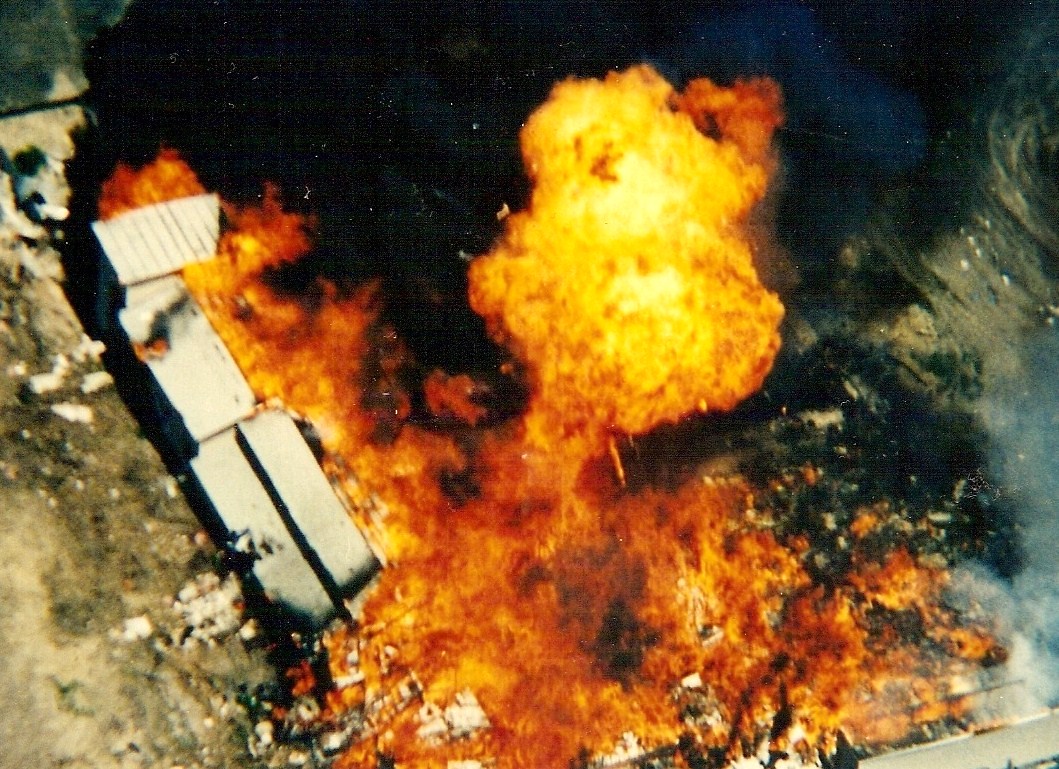



Background and beliefs
The group at Mount Carmel was an offshoot of Davidian Seventh-day Adventist tradition and became widely known as the Branch Davidians. Its leader in the early 1990s, David Koresh, exercised strong spiritual and practical authority over the community. Koresh taught an interpretation of biblical prophecy that emphasized his role in preparing followers for an apocalyptic confrontation. Allegations against the group that prompted federal interest included suspected weapons violations and reports of child welfare concerns; authorities obtained warrants based on those allegations and other investigative findings.
Raid, siege and tactics
On the morning of February 28 the ATF conducted a raid to execute search and arrest warrants; the encounter escalated into a firefight that left agents and occupants dead and wounded. When the initial operation failed to secure control of the compound, the Federal Bureau of Investigation took the lead in a containment and negotiation phase that lasted 51 days. Texas state law enforcement and other federal units provided support during the standoff. Negotiators established intermittent contact with occupants and arranged releases of some people, including several children, but efforts to achieve a full surrender did not succeed.
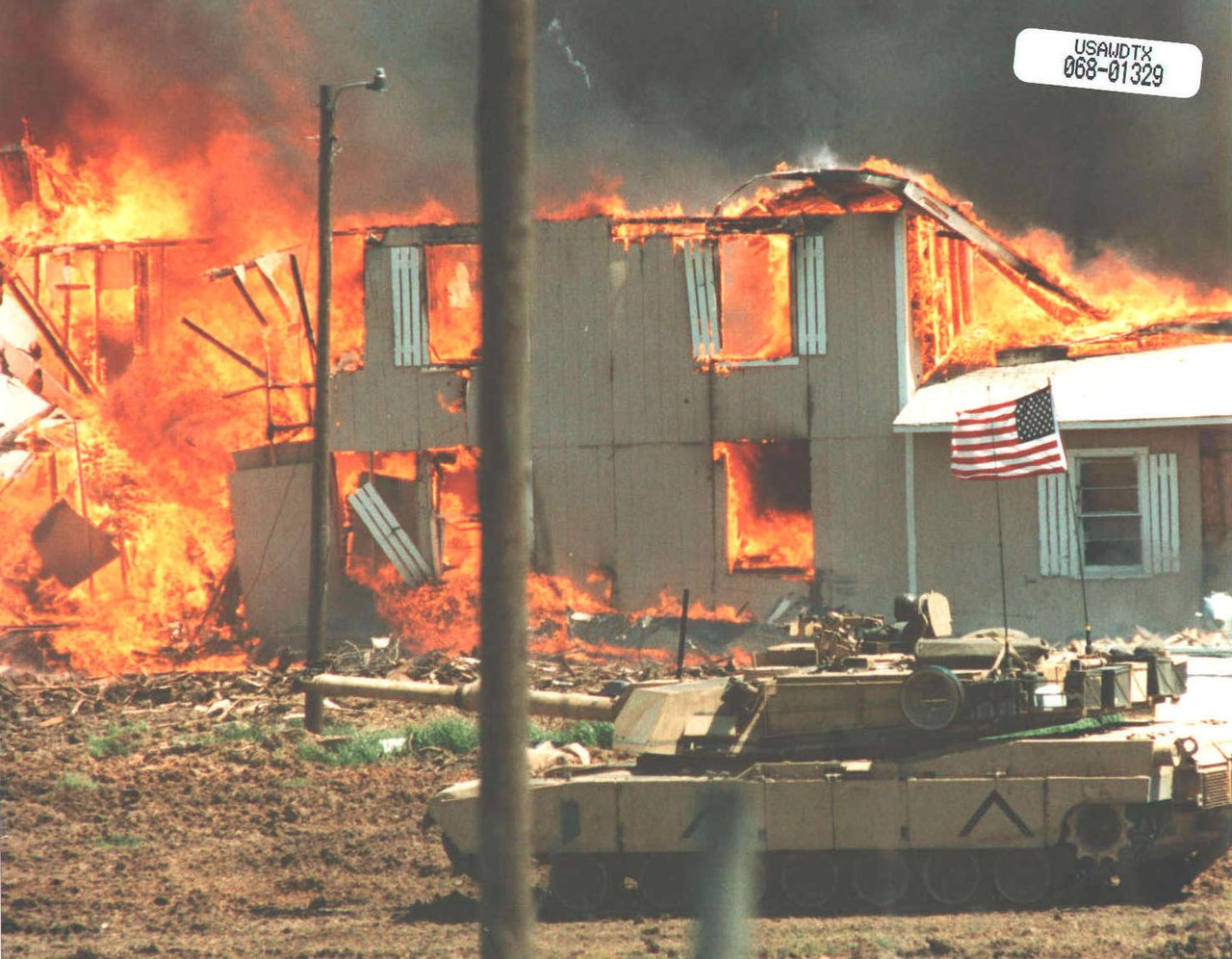
In mid-April the FBI moved to force a resolution using mechanical and chemical means to compel evacuation. Armored vehicles and other equipment were used to insert gas into the structure in an attempt to induce occupants to leave. The use of CS and other riot-control agents became a focal point of later scrutiny; descriptions of the FBI actions often reference their deployment of tear gas and other tactics. The compound subsequently caught fire during the final assault, and the blaze consumed much of the Mount Carmel property.
Casualties, investigations and legal outcomes
The final events resulted in many deaths, including the group's leader, and numerous survivors faced criminal charges. Official counts commonly cited a total of 76 fatalities associated with the siege, and the loss of children among the dead intensified public reaction. Multiple federal inquiries, congressional hearings and independent reviews examined planning, intelligence, weaponry, negotiation, use of force and accountability. Investigators reached differing conclusions about who bore responsibility for the fire and how tactical decisions affected the outcome.
Legacy and significance
The Waco siege had broad cultural and policy effects. It prompted changes in how law enforcement plans and executes high-risk warrants, influenced debates about the use of military-style equipment by police, and fed distrust of federal authority among some groups. The incident also became a rallying grievance for anti-government extremists; in the mid-1990s it was cited by perpetrators of later violent attacks as one motivating factor. Public memory of the events remains contested, and historians and analysts continue to study the siege to understand its causes and consequences.
- Location: Mount Carmel Center, near Waco, Texas, east-northeast of Waco.
- Initial lead agency: Bureau of Alcohol, Tobacco and Firearms (ATF) during the February raid.
- Siege and negotiations: overseen primarily by the FBI, with support from state and federal partners including Texas law enforcement.
- Group involved: the Branch Davidians under leader David Koresh.
- Controversies include the use of force, negotiation strategy and the cause of the final fire; official findings and public interpretations differ.
Related articles
Author
AlegsaOnline.com Waco siege (1993): raid, siege, and aftermath Leandro Alegsa
URL: https://en.alegsaonline.com/art/106088
Sources
- archive.org : Report of the Department of the Treasury on the Bureau of Alcohol, Tobacco, and Firearms Investigation of Vernon Wayne Howell Also Known as David Koresh, September 1993
- web.archive.org : web.archive.org/web/20160402042646/https://archive.org/details/reportofdepartme00unit
- abcnews.go.com : "Remembering the Waco Siege" · archive.org · web.archive.org
- tshaonline.org : "Elk, Texas"
- books.google.com : p.13
- books.google.com : P. 340