
Federal Bureau of Investigation (FBI)
The FBI is the United States' principal federal investigative agency, combining criminal investigation, intelligence, national security, and law enforcement coordination across domestic and international partners.
Overview
The Federal Bureau of Investigation (FBI) is the primary domestic intelligence and federal law enforcement agency of the United States. It operates at the intersection of criminal investigation and national security, addressing threats that range from violent crime and public corruption to terrorism, espionage, and cyber intrusions. The agency's mandate and public-facing information are summarized in official materials such as an agency overview.
Image gallery
10 Images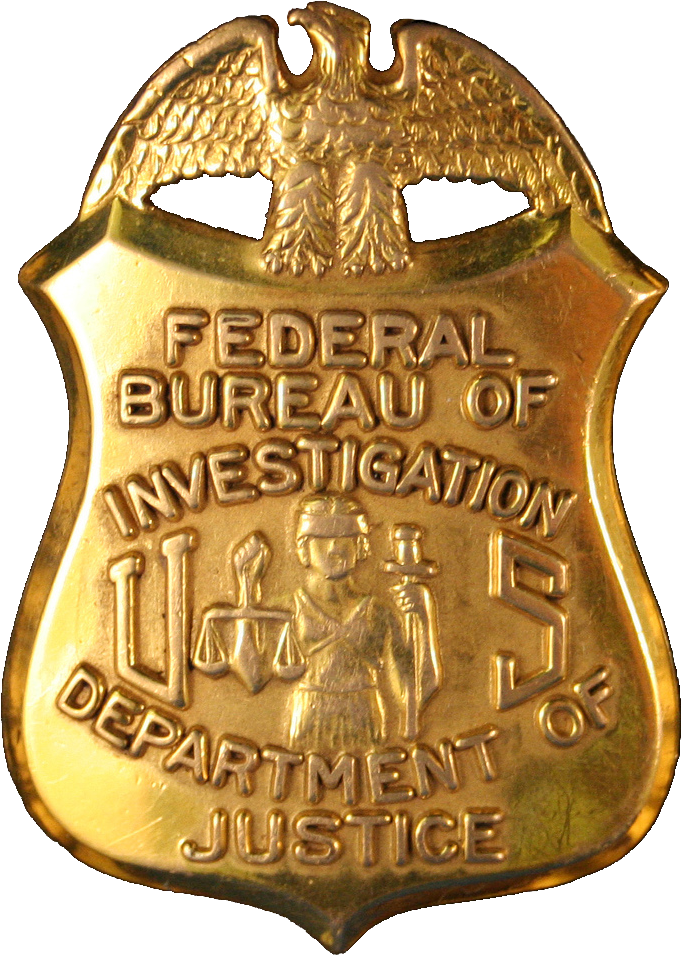

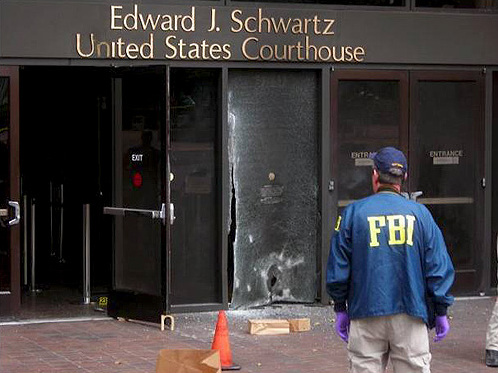




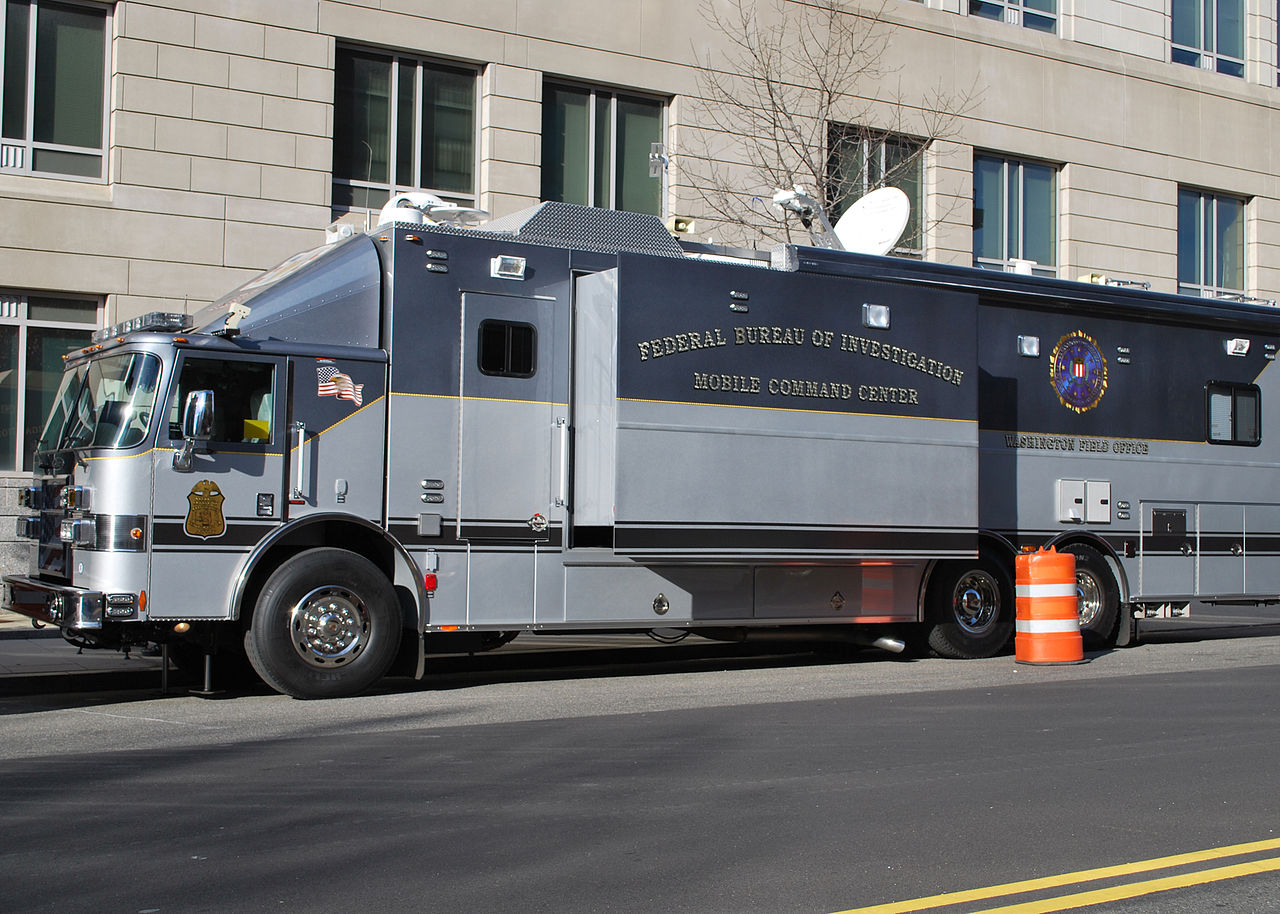

Mission and legal basis
The FBI's mission combines the enforcement of federal criminal statutes with the protection of national security. Its authorities derive from federal law and are exercised under the supervision of the Department of Justice. The Bureau gathers and analyses intelligence to prevent criminal activity and to support prosecutions, while also providing training and technical assistance to other law enforcement agencies; general information about investigative priorities is available through criminal investigations resources.
History
The organization began as the Bureau of Investigation in 1908 and was renamed the Federal Bureau of Investigation in 1935. During the 20th century the Bureau expanded its investigative techniques, legal responsibilities, and technical capabilities. A long-serving director, J. Edgar Hoover, shaped much of the Bureau's early structure and policies while serving from 1924 until 1972. Historical and archival information can be consulted via public records and headquarters materials.
Organization and presence
The FBI maintains a nationwide presence with a network of field offices and resident agencies. It operates 56 main field offices in major U.S. cities and maintains legal attachés and liaison relationships abroad to support international cooperation. For contact details and locations see field office listings.
Functions and capabilities
- Investigation of federal crimes, including organized crime, public corruption, violent offenses, and large-scale financial fraud.
- Counterterrorism and counterintelligence operations to identify and mitigate threats to national security.
- Cybersecurity investigations and digital forensics supported by specialized laboratories and analytical units.
- Collection and dissemination of intelligence to federal, state, local, tribal, and international partners.
Programs, training and public resources
The Bureau runs specialized programs in areas such as victim services, crisis response, and information sharing. It provides training for law enforcement partners and maintains public resources, advisories, and safety guidance available through official channels and public information pages. General information for citizens is also provided via citizen resources.
Oversight, accountability and public role
Because of its broad authorities, the FBI is subject to oversight by the Department of Justice, congressional committees, and judicial processes. Over time the agency has been the subject of public scrutiny and reforms related to civil liberties, transparency, and investigative practice. Such topics are discussed in public reports and oversight records produced by official bodies.
International cooperation and partnerships
The FBI works with foreign counterparts, multilateral organizations, and private sector partners to address cross-border crime and threats. Legal attachés stationed overseas facilitate cooperation on matters such as cybercrime, transnational organized crime, and counterterrorism.
Technology and forensic work
The Bureau operates forensic laboratories and uses a range of technical tools to support investigations, from fingerprint and DNA analysis to advanced cyber forensics. These capabilities are complemented by information-sharing databases and partnerships with academic and industry experts.
The FBI's combination of investigative powers and intelligence responsibilities makes it a central actor in national security and federal law enforcement. For authoritative materials and current public guidance, see the agency's official summaries and resources referenced above.
Questions and answers
Q: What is the FBI?
A: The FBI is the Federal Bureau of Investigation, an agency of the US government that investigates crime across the country.
Q: What is the purpose of the FBI?
A: The purpose of the FBI is dedicated to national security and to law enforcement.
Q: When was the Bureau of Investigation founded?
A: The Bureau of Investigation was founded in 1908.
Q: When was the Bureau of Investigation renamed the Federal Bureau of Investigation?
A: The Bureau of Investigation was renamed the Federal Bureau of Investigation (FBI) in 1935.
Q: Who was the Director of the Bureau from 1924 to his death in 1972?
A: J. Edgar Hoover was the Director of the Bureau from 1924 to his death in 1972.
Q: Where are the headquarters of the FBI located?
A: The headquarters of the FBI are located in Washington DC.
Q: How many main offices does the FBI have in cities throughout the United States?
A: The FBI has 56 main offices in cities throughout the United States.
Related articles
Author
AlegsaOnline.com Federal Bureau of Investigation (FBI) Leandro Alegsa
URL: https://en.alegsaonline.com/art/33828