
Washington Navy Yard shooting (September 16, 2013)
A mass shooting at the Washington Navy Yard in 2013 in which a lone gunman killed 12 people and wounded 14 at the NAVSEA headquarters; the attack prompted reviews of base security and contractor screening.
On the morning of September 16, 2013, a lone gunman opened fire inside Building 197 at the Washington Navy Yard, the headquarters of Naval Sea Systems Command (NAVSEA) in Southeast Washington, D.C. The attacker killed twelve people and injured fourteen others before law enforcement officers shot and killed him. The incident drew national attention for its location on a military facility and its casualties.
Image gallery
4 Images
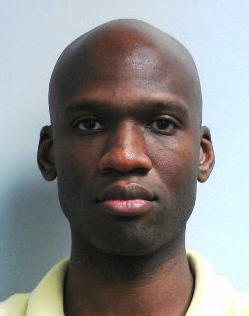


Background
The Washington Navy Yard is an active naval installation that houses civilian employees, military personnel, and contractors. The assailant, later identified as Aaron Alexis, had been a former Navy reservist who had worked as a civilian contractor. Reports soon after the attack noted he used a shotgun during the rampage and moved through multiple floors of the building, creating a chaotic scene and complicating the immediate response by security and emergency teams.
The shooting — timeline and actions
- Approximately 8:20 a.m.: gunfire began inside Building 197 and spread across work areas as employees evacuated and shelter-in-place orders were issued.
- First responders, including base security and local police, converged on the scene and engaged the shooter. He exchanged gunfire with officers and was ultimately killed at the site.
- Emergency medical services transported injured victims to area hospitals while the compound was secured and searched.
Casualties and perpetrator. Twelve people were killed and fourteen wounded, consisting of both military and civilian personnel. Authorities identified the shooter and declared him deceased at the scene after an exchange of gunfire with responding officers. The attack was classified as a mass shooting and prompted immediate investigations into motive, background, and security lapses.
Aftermath and response. The shooting triggered a broad response from federal and local agencies. Investigations were carried out to determine how the attacker accessed the facility and to assess failures in vetting and internal security. The event also prompted reviews of emergency protocols, active-shooter training for federal workplaces, and counseling resources for survivors and affected families. For contemporaneous reporting and official statements see coverage of the weapon used and material about the site at Washington Navy Yard.
Investigations, reforms, and public debate. Federal investigators examined background checks, contractor credentialing, and how the individual obtained access. The incident intensified discussion about workplace security on military installations, mental health screening for contractors and employees, and interagency coordination in mass casualty events. Official inquiries and media summaries are available through government and news sources; for investigative reports see federal investigation summaries and reviews cited by analysts at news outlets.
Legacy and notable distinctions. The Navy Yard shooting was one of the deadliest attacks on a U.S. military installation since the Fort Hood shooting in 2009 and was widely reported as the deadliest mass-casualty incident in the Washington area since the 2001 terror attacks. It remains a reference point in discussions about base security, contractor oversight, and workplace violence prevention. Remembrances and policy discussions continue to mark its anniversaries; see commemorative and policy material at relevant resources.
Related articles
Author
AlegsaOnline.com Washington Navy Yard shooting (September 16, 2013) Leandro Alegsa
URL: https://en.alegsaonline.com/art/106714
Sources
- washingtonpost.com : "At least 13 dead in Navy Yard shooting; possible suspect at large"
- latimes.com : "At least 12 dead in Washington Navy Yard shooting"
- theguardian.com : "Navy yard shooting: DC police confirm 12 dead including gunman"