
Wabasha, Minnesota: History, Geography, and Notable Facts
Wabasha is a small Mississippi River city in southeastern Minnesota, the county seat of Wabasha County, noted for its long history, riverfront setting, cultural attractions and appearances in popular films.
Overview
Wabasha is a small city in southeastern Minnesota that functions as the county seat of Wabasha County. Located on the banks of the Mississippi River, it is known for a compact historic downtown, a riverfront setting and a long continuity of settlement. Population counts in the early 2010s were in the neighborhood of 2,500 residents, reflecting its character as a small river community and local service center (city resources).
Image gallery
8 Images


Geography and landscape
Wabasha occupies a bluff-and-river landscape typical of the upper Mississippi corridor and is situated in southeastern Minnesota. The riverfront and surrounding hills provide opportunities for outdoor recreation such as boating, fishing and birdwatching along migratory routes. The town’s location on the Mississippi has shaped its culture and economy for nearly two centuries, with historic ties to river transport and regional trade in the upper Mississippi River valley.
History and name
The settlement that became Wabasha dates to the early 19th century and is commonly cited as being established around 1830. It developed where Native American communities, traders and later European-American settlers met along the river. The city is named for Chief Wa-pa-shaw (often rendered Wabasha), a leader of a local band of the Sioux Nation. Wabasha is often described as one of Minnesota’s oldest continuously occupied communities and retains several buildings and streetscapes that reflect its 19th-century roots.
Economy, culture and tourism
The local economy combines small-scale retail, services, government functions and tourism. As the county seat, the city hosts administrative offices and community services for the surrounding rural area. Tourism draws visitors to the riverfront, museums and seasonal events; interpretive centers and local museums interpret natural history and regional heritage. The town also gained wider cultural recognition through motion pictures filmed in and around Wabasha, which have contributed to its small-town image and appeal (Grumpy Old Men, Grumpier Old Men).
Points of interest
- National Eagle Center and local interpretive attractions that focus on river ecology and birds of prey draw regional visitors and support educational programming (visitor information).
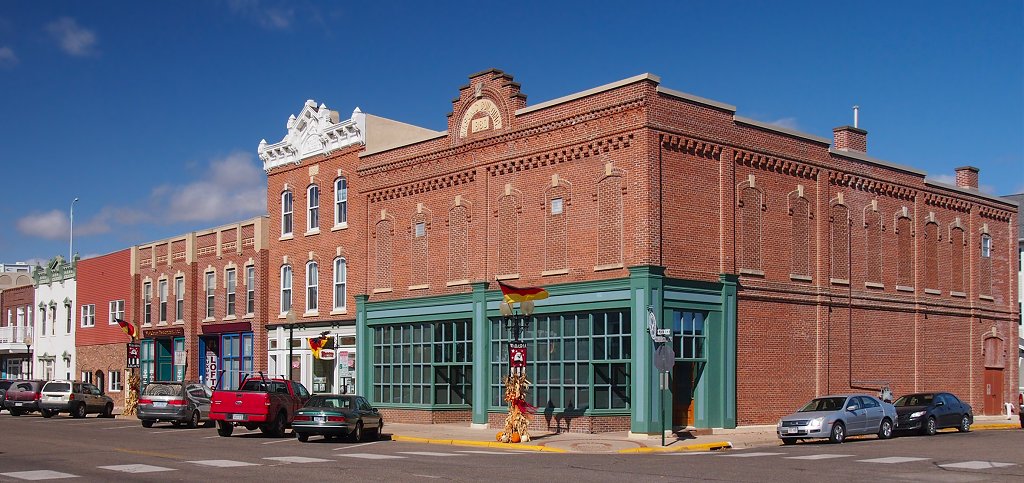
- Historic downtown streets, riverfront parks and early commercial architecture provide a sense of the town’s 19th-century development.
- Local sites and tours connected to the films that used Wabasha as a setting contribute to visitor itineraries and community identity.
Access and community life
Wabasha serves as a local hub for government, small business and recreational opportunities along the Mississippi. Community events, seasonal festivals and programming at museums and interpretive centers are part of civic life. Visitors typically reach the town by regional roads and use the riverfront and downtown as starting points for exploring nearby natural areas and neighboring communities (municipal resources, regional tourism).
For more detailed information on municipal services, tourism and historical resources consult local government pages, county guides and regional historical societies that document Wabasha’s development, cultural attractions and environmental setting (county records, regional histories, river resources).
Related articles
Author
AlegsaOnline.com Wabasha, Minnesota: History, Geography, and Notable Facts Leandro Alegsa
URL: https://en.alegsaonline.com/art/106074
Sources
- co.wabasha.mn.us : "Wabasha County"
- city-data.com : "Wabasha, Minnesota"
- wabashamn.org : "History of Wabasha"
- johnweeks.com : "Grumpy Old Men Filming Locations"
- commons.wikimedia.org : Wabasha, Minnesota