
Vladimir Curbet — Moldovan choreographer and long-time director of Joc
Vladimir Curbet (1930–2017) was a Moldovan choreographer who led the national folk dance ensemble Joc from 1957 until his death. He helped preserve and popularize Moldovan folk dance at home and abroad.
Overview
Vladimir Curbet (5 December 1930 – 8 December 2017) was a prominent Moldovan choreographer and the long-serving director of the national folk dance ensemble Joc. He guided the company for six decades, shaping its artistic direction and building its reputation as a leading interpreter of Moldovan traditional dance.
Image gallery
2 Images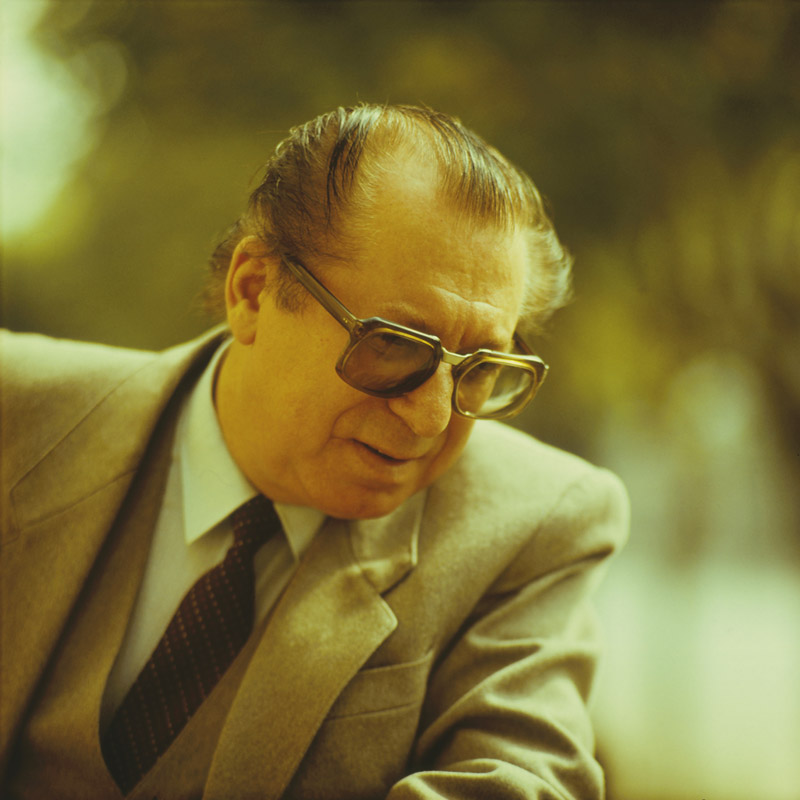

Career and role with Joc
Curbet became director of the ensemble in 1957 and remained at its head until his death in 2017. In that capacity he worked as a choreographer, teacher and artistic director, arranging and staging hundreds of folk dances and pageants. Under his leadership the ensemble developed a repertory that combined rural and regional traditions into polished stage productions suitable for concert halls and international tours.
Style, repertoire and significance
Curbet's approach emphasized fidelity to folk sources while adapting steps, formations and rhythms for large-group performance. Typical Moldovan elements in the works he staged include energetic footwork, lively turns, circle and line formations, partnering displays and elaborate costume designs that reflect regional embroidery, headwear and sashes. His productions served both as artistic performances and as a form of cultural preservation.
Honors and legacy
He received high honors for his contributions to national culture, including the title of People's Artist of the USSR in 1981, and numerous state recognitions in Moldova and elsewhere. Beyond awards, his lasting legacy is the cadre of dancers and choreographers he trained, the expanded repertory of Joc, and the role the company played as a cultural ambassador for Moldova.
Notable facts and final years
- Born in Susleni, Orhei, Curbet devoted most of his life to folk dance and education.
- He led Joc from 1957 until his death, a remarkably long tenure for a single artistic director.
- Curbet died on 8 December 2017 in Chișinău, three days after his 87th birthday.
Today Vladimir Curbet is remembered as a central figure in the modern development of Moldovan stage folklore. His work remains a reference point for choreographers and ensembles that seek to present traditional dance with both authenticity and theatrical impact.
Related articles
Author
AlegsaOnline.com Vladimir Curbet — Moldovan choreographer and long-time director of Joc Leandro Alegsa
URL: https://en.alegsaonline.com/art/105719
Sources
- press.try.md : press.try.md/item.php?id=141194
- logospress.md : logospress.md/node/17667
- kp.md : В Молдове умер руководитель ансамбля «Жок» Владимир Курбет