
Vladimir Makanin: life and work of a Russian realist writer
Overview of Vladimir Semyonovich Makanin (1937–2017), a Russian novelist and short‑story writer known for realist prose, terse psychological narratives, themes of moral choice and social change, and the 2012 European Prize.
Overview
Vladimir Semyonovich Makanin (13 March 1937 – 1 November 2017) was a Russian prose writer whose work spans short stories and novels. Born in Orsk in the Soviet Union, he became known for a restrained, realistic narrative voice that probes moral conflict, ordinary lives and social transformation. His writing attracted both popular readership and critical attention, and in 2012 he received the European Prize for Literature.
Image gallery
2 Images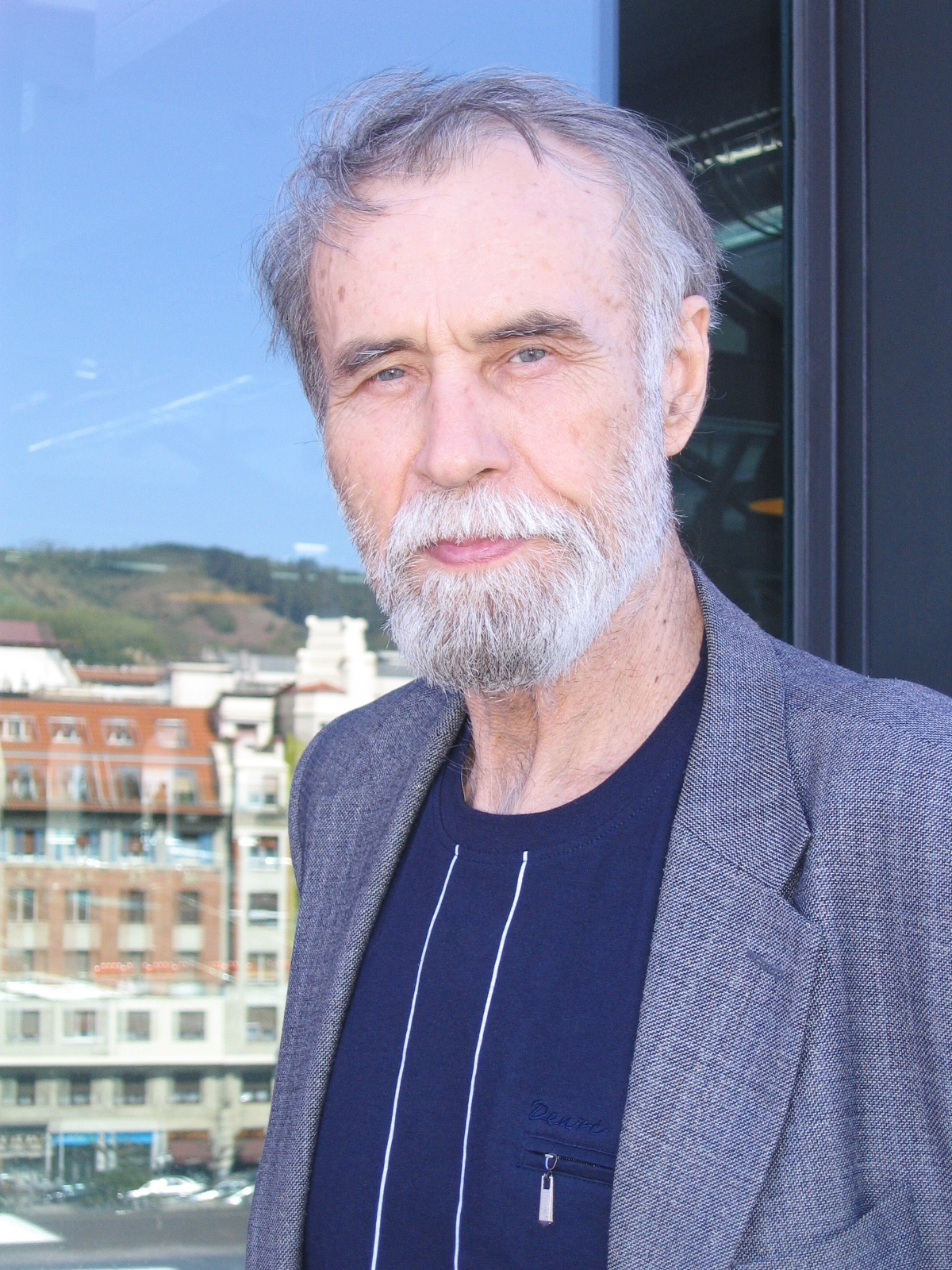
Life and career
Makanin was born in Orsk and later pursued formal training in script-writing in 1963. After that course he worked in the Soviet publishing sector, including at the house known as Sovietskiy Pisatel (The Soviet Writer). Over the following decades he published numerous collections of short fiction and several novels. He continued to write and publish through the late Soviet and post‑Soviet periods, remaining active until his death in Krasny in 2017 at the age of 80.
Style, themes and features
Makanin's prose is commonly described as realist: economical in language, focused on psychological detail, and attentive to the ordinary dilemmas of his characters. Recurring concerns in his work include individual moral choice, the pressures of social change, the psychological costs of survival, and the ambiguous consequences of compromises people make. Critics often note the balance in his stories between bleak observation and a restrained, sometimes ironic, human sympathy.
Forms and notable recognition
He specialized in short stories and novels, favoring tight narratives that concentrate on character and moment rather than expansive plot. This form suited his interest in moral and existential situations. His literary achievements were acknowledged internationally when he was awarded the European Prize for Literature in 2012, a recognition of his contribution to contemporary European letters.
Reception and legacy
Makanin occupies a place among late‑Soviet and post‑Soviet writers who examined the human consequences of historical change without recourse to easy slogans. His influence can be traced in later Russian prose that values directness and psychological acuity. Readers and scholars study his work for its formal restraint, moral inquiry and depiction of everyday realities.
Characteristics at a glance
- Primary genres: short story and novel
- Style: realist, economical, psychologically focused
- Typical themes: moral choice, social change, ordinary lives
- Recognition: European Prize for Literature (2012)
For a concise biographical outline and further reading, see a Russian-language biography here and a brief account of his birthplace and early life here.
Related articles
Author
AlegsaOnline.com Vladimir Makanin: life and work of a Russian realist writer Leandro Alegsa
URL: https://en.alegsaonline.com/art/105728
Sources
- metroactive.com : "Russian Escape Artist"
- pqasb.pqarchiver.com : "His 'Loss', Our Gain: Three works from Vladimir Makanin showcase a little-known talent"
- ria.ru : "Умер писатель Владимир Маканин"