
Vladimir Horowitz
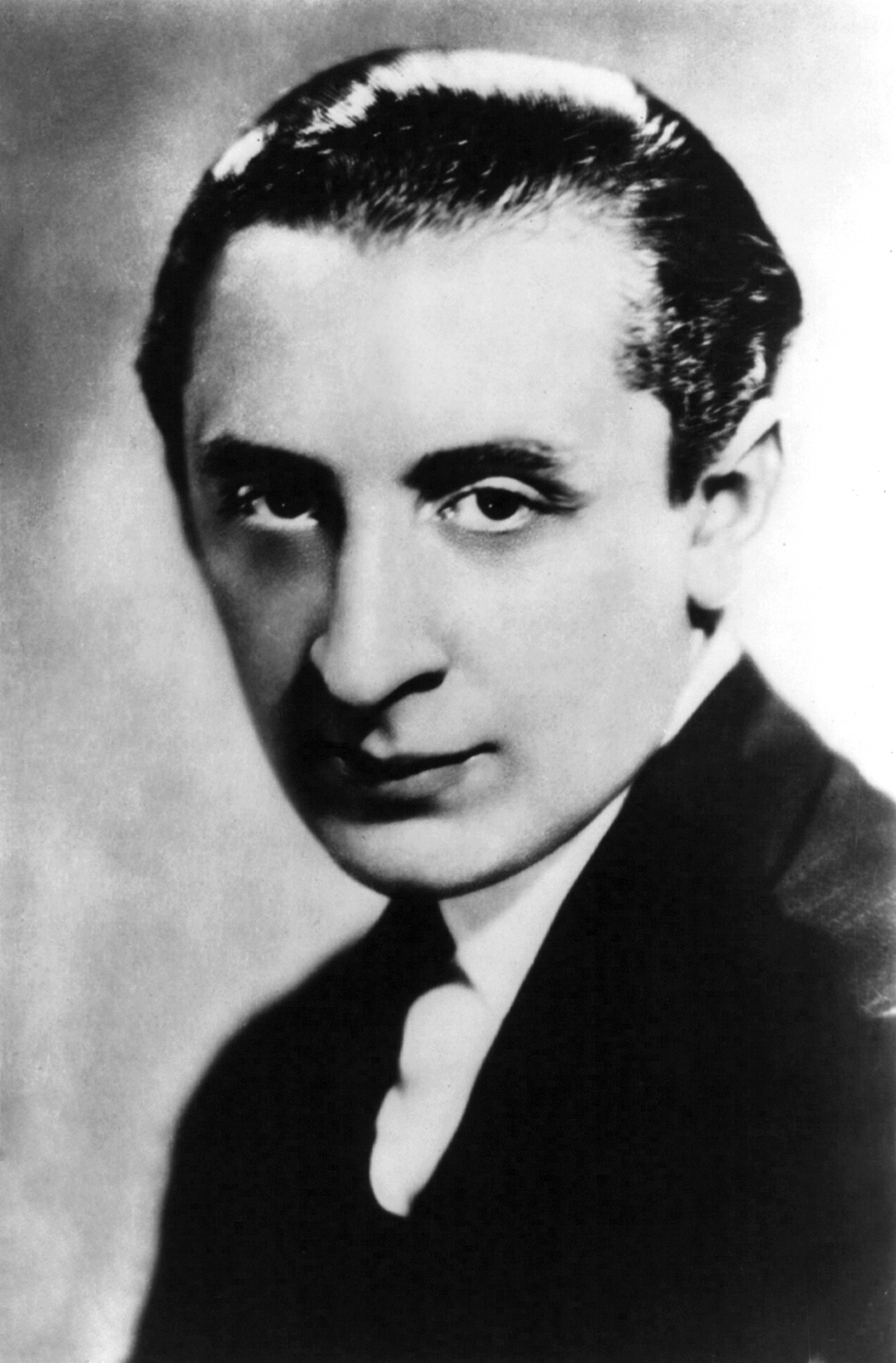
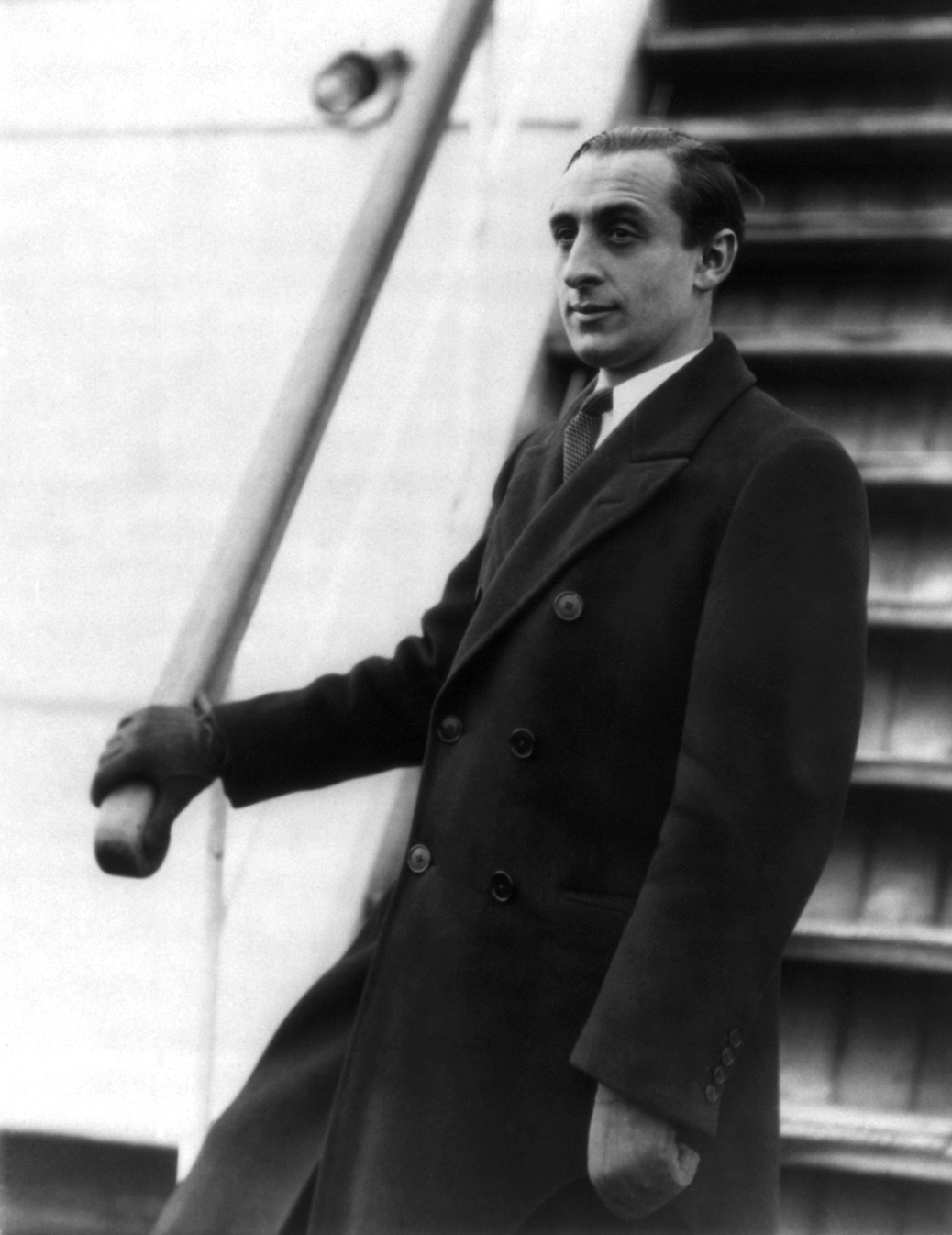
Vladimir Horowitz (1903–1989) was a Russian‑American virtuoso pianist celebrated for his technical brilliance, distinctive tone, expressive interpretations and influential recordings of Romantic and early 20th‑century repertoire.
Vladimir Samoylovich Horowitz (October 1, 1903 – November 5, 1989) was a Russian‑American pianist widely regarded as one of the leading virtuosos of the 20th century. Born in Kyiv in the then Russian Empire, he built an international career noted for its dazzling technique, distinctive tone production and strongly individual interpretations. His recorded legacy and many live performances have continued to shape public and critical views of piano performance.
Image gallery
9 Images




Early life and training
Horowitz came from a musical family and received formal training as a child. Early successes in regional concerts and competitions established him as a promising talent and led to broader opportunities in European musical life. The composer's and teacher's traditions of his youth remained an important element in his artistic formation; the original Cyrillic form of his name is often shown as the Russian spelling.
Musical style and technique
His playing combined exceptional technical control with a wide palette of tonal colors and a flair for dramatic contrast. Horowitz was noted for his fingertip clarity, use of rapid changes in dynamics, flexible rhythmic phrasing and bold tempo gestures. Critics and colleagues have commented on his individuality: some praised the emotional directness and sonic variety of his performances, while others debated the liberties he took with tempo and touch.
Repertoire, recordings and career highlights
Horowitz is especially associated with Romantic repertoire and with composers such as Chopin, Liszt and Rachmaninoff, but his programs also included classical works, transcriptions and lesser‑known pieces. He made numerous studio and live recordings that helped popularize piano repertoire for wider audiences; many listeners consult modern recording guides and annotated discographies when exploring his work. His concert life included international tours, important appearances with leading orchestras and celebrated recital returns after periods away from public performance. For research and archival materials consult major music collections and institutional holdings at music archives or specialized repositories.
Legacy
Horowitz's influence persists in the way pianists and listeners approach tone, virtuosity and expressive freedom. His performances and recordings are frequently cited in studies of 20th‑century piano interpretation and teaching. Commentary on his art appears in biographies, critical studies and histories of performance practice; see general overviews of the classical piano repertory and accounts of twentieth‑century concert life (historical surveys) for broader context.
While assessments of particular performances vary, Horowitz's place in musical history as a transformative and influential figure is broadly acknowledged.
Questions and answers
Q: Who was Vladimir Horowitz?
A: Vladimir Horowitz was a Russian-American classical pianist.
Q: When was Vladimir Horowitz born?
A: Vladimir Horowitz was born on October 1, 1903.
Q: When did Vladimir Horowitz die?
A: Vladimir Horowitz died on November 5, 1989.
Q: What is Vladimir Horowitz famous for?
A: Vladimir Horowitz is famous as one of the best pianists of the 20th century.
Q: What was Vladimir Horowitz's full name in Russian?
A: Vladimir Horowitz's full name in Russian was Владимир Самойлович Горовиц (Vladimir Samojlovich Horovitz).
Q: What was Vladimir Horowitz's nationality?
A: Vladimir Horowitz was Russian-American.
Q: What is the significance of Vladimir Horowitz's contribution to music?
A: Vladimir Horowitz's contribution to music is significant because he is often considered one of the greatest pianists of the 20th century.
Related articles
Author
AlegsaOnline.com Vladimir Horowitz Leandro Alegsa
URL: https://en.alegsaonline.com/art/105722