
Vladimir Hotineanu — Moldovan surgeon and former Health Minister
Vladimir Hotineanu (1950–2019) was a Moldovan surgeon and politician who served as Minister of Health (2009–2011) and as a member of Parliament (2014–2019). He worked on public health administration and hospital services.
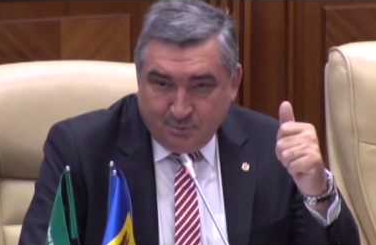
Overview
Vladimir Hotineanu (1 October 1950 – 15 November 2019) was a Moldovan medical doctor and public official known for combining a clinical career in surgery with roles in government. He gained national prominence when appointed to lead the health ministry in the years following Moldova's 2009 political changes and later represented constituents as a parliamentary deputy.
Image gallery
1 Image
Early life and medical background
Hotineanu was born in Kyzylorda, then part of the Soviet Union and today in Kazakhstan. He trained in medicine during the Soviet period and practiced as a surgeon, building experience in hospital care and clinical management before moving into health administration. His professional background informed his later work in public policy and ministry oversight.
Political and administrative career
He served as Minister of Health from 2009 through 2011 in the First Vlad Filat Cabinet, leading the ministry during a period when Moldova addressed systemic health-sector issues. His combined clinical and managerial experience positioned him to engage with hospital systems, workforce matters, and public health administration. After his ministerial tenure, he returned to elected office and served as a deputy in the Moldovan Parliament from 2014 until 2019.
Roles and responsibilities
- Clinical practice: Practiced surgery and participated in hospital-level care and organization.
- Ministry leadership: Oversaw the health ministry's operations and contributed to policy discussions affecting health services.
- Legislative work: As a parliamentarian, he engaged in debates and lawmaking related to health and social policy.
Legacy and notable facts
Hotineanu's career linked frontline medicine with government service. He is remembered for bringing clinical perspective to public administration and for his participation in post-2009 governance. He was born in Kyzylorda and died in a hospital in Chișinău on 15 November 2019 at age 69. References to his professional profile sometimes describe him as both a surgeon and politician, reflecting the two main strands of his public life.
His tenure illustrates the common post-Soviet pattern of physicians moving into public administration, where clinical experience influences policy choices. While detailed evaluations of specific reforms associated with his ministry vary, his combined medical and political roles remain a notable feature of Moldova's recent health-sector history.
Related articles
Author
AlegsaOnline.com Vladimir Hotineanu — Moldovan surgeon and former Health Minister Leandro Alegsa
URL: https://en.alegsaonline.com/art/105723
Sources
- parlament.md : Vladimir Hotineanu, biography at Parlament.md
- radiochisinau.md : S-a stins din viață ex-ministrul Sănătății și deputatul, Vladimir Hotineanu