
Chișinău — Capital and Largest City of Moldova
Chișinău is the political, cultural and economic center of Moldova. Located on the Bîc River, it blends 19th-century avenues, Soviet-era housing and green parks with national institutions and museums.
Overview
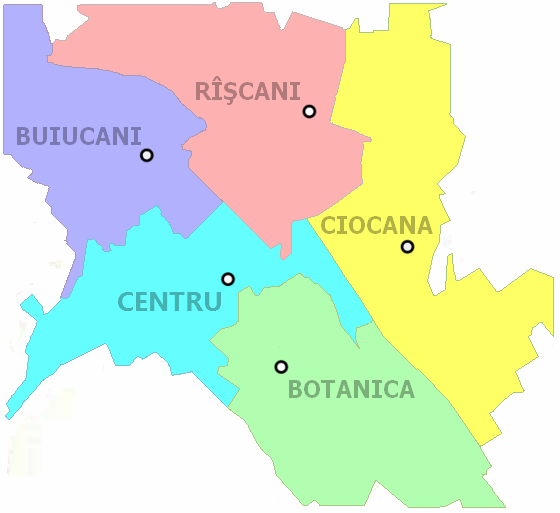
Chișinău is the capital and principal city of the Republic of Moldova. Situated near the geographic center of the country on the Bîc River, it is the largest urban settlement in Moldova and the main hub for government, education and cultural life. The city combines tree-lined boulevards, public parks and mixed architectural layers that reflect its varied past.

Image gallery
10 Images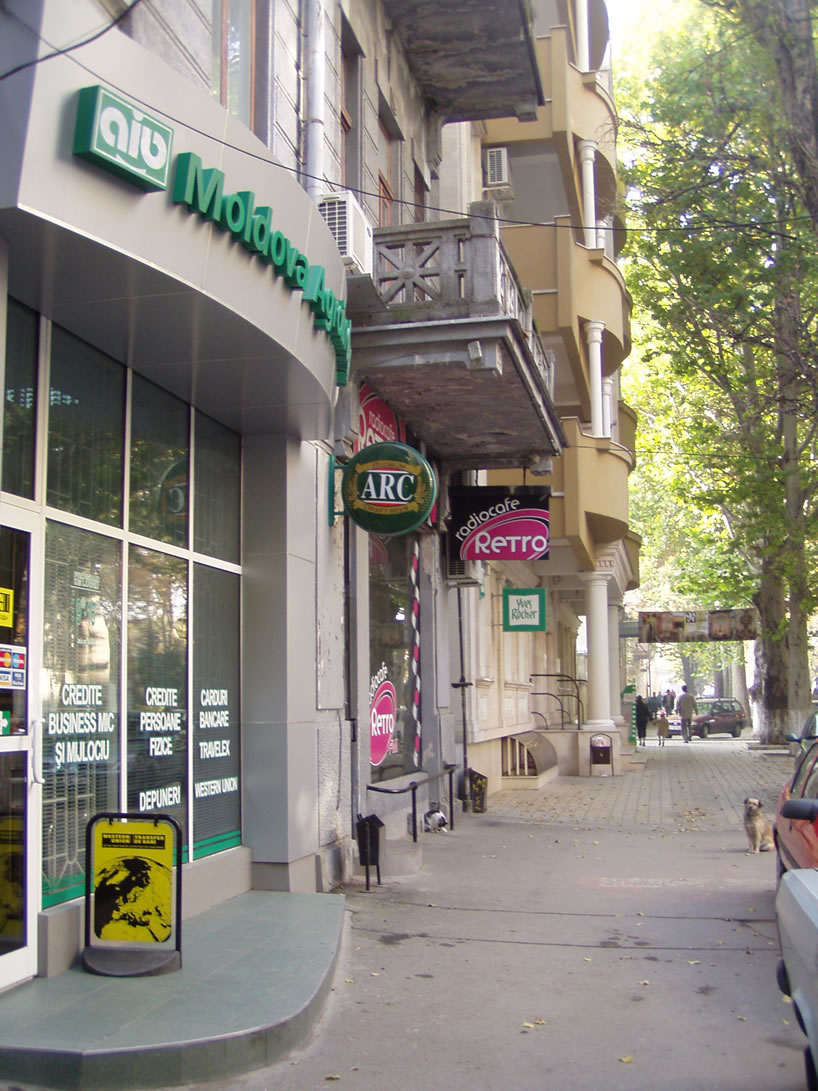


Name and location
The modern Romanian spelling Chișinău replaces older variants such as Kishinev. The name is generally understood to derive from local words referring to a spring or well, often rendered as "new spring" in translation. Its central location makes the city a natural administrative and transportation node within the country.
History
Chișinău grew from a small settlement into a regional center during the 19th century under the Russian Empire. It later served as the capital of the Moldavian Soviet Socialist Republic and sustained heavy damage in the Second World War; the postwar decades brought large-scale rebuilding and Soviet-style urban development. Since Moldova's independence in 1991, Chișinău has been the seat of national government and a focus for political and social change.
Landmarks and cultural life
The city has a range of public institutions and cultural venues: theatres, museums, university campuses and places of worship. Notable public spaces include parks named after national figures, the central cathedral complex and the main administrative avenues. Typical points of interest often listed by visitors and residents include:
- National museums and art collections
- The main cathedral and historic churches
- Parks and promenades used for festivals and leisure
- Cultural venues such as the national opera and theatres
Economy and transport
Chișinău is Moldova's economic engine: it concentrates government services, commercial enterprises, light industry and service-sector jobs. The city is connected by an international airport, rail links and a network of local public transport including buses and trolleybuses. Its surroundings include agricultural and winemaking areas that are important to the national economy.

Distinguishing points
Chișinău is notable for its layered urban fabric — traces of 19th-century planning, Soviet-era residential districts and newer developments — and for being the principal stage for Moldova's political life. Because of its central role, the city is often the first place where national institutions, cultural initiatives and international visitors concentrate. For official information or further reading, see the city's administrative and country pages: capital overview and Moldova.
Questions and answers
Q: What is Chișinău?
A: Chișinău is the capital city and industrial and commercial center of Moldova.
Q: What was Chișinău formerly known as?
A: Chișinău was formerly known as Kishinev.
Q: What country is Chișinău located in?
A: Chișinău is located in Moldova.
Q: Is Chișinău the largest city in Moldova?
A: Yes, Chișinău is the largest city in Moldova.
Q: Where is Chișinău located within Moldova?
A: Chișinău is located in the center of Moldova.
Q: Which river is located in Chișinău?
A: The river Bîc is located in Chișinău.
Q: What is the pronunciation of Chișinău?
A: The pronunciation of Chișinău is /ki.ʃi.'nəu/.
Related articles
Author
AlegsaOnline.com Chișinău — Capital and Largest City of Moldova Leandro Alegsa
URL: https://en.alegsaonline.com/art/19842