
Virginia Peninsula — geography, history, and significance
A broad overview of the Virginia Peninsula in southeast Virginia: its geography, principal communities, key historical events, economy, and how it differs from nearby peninsulas.
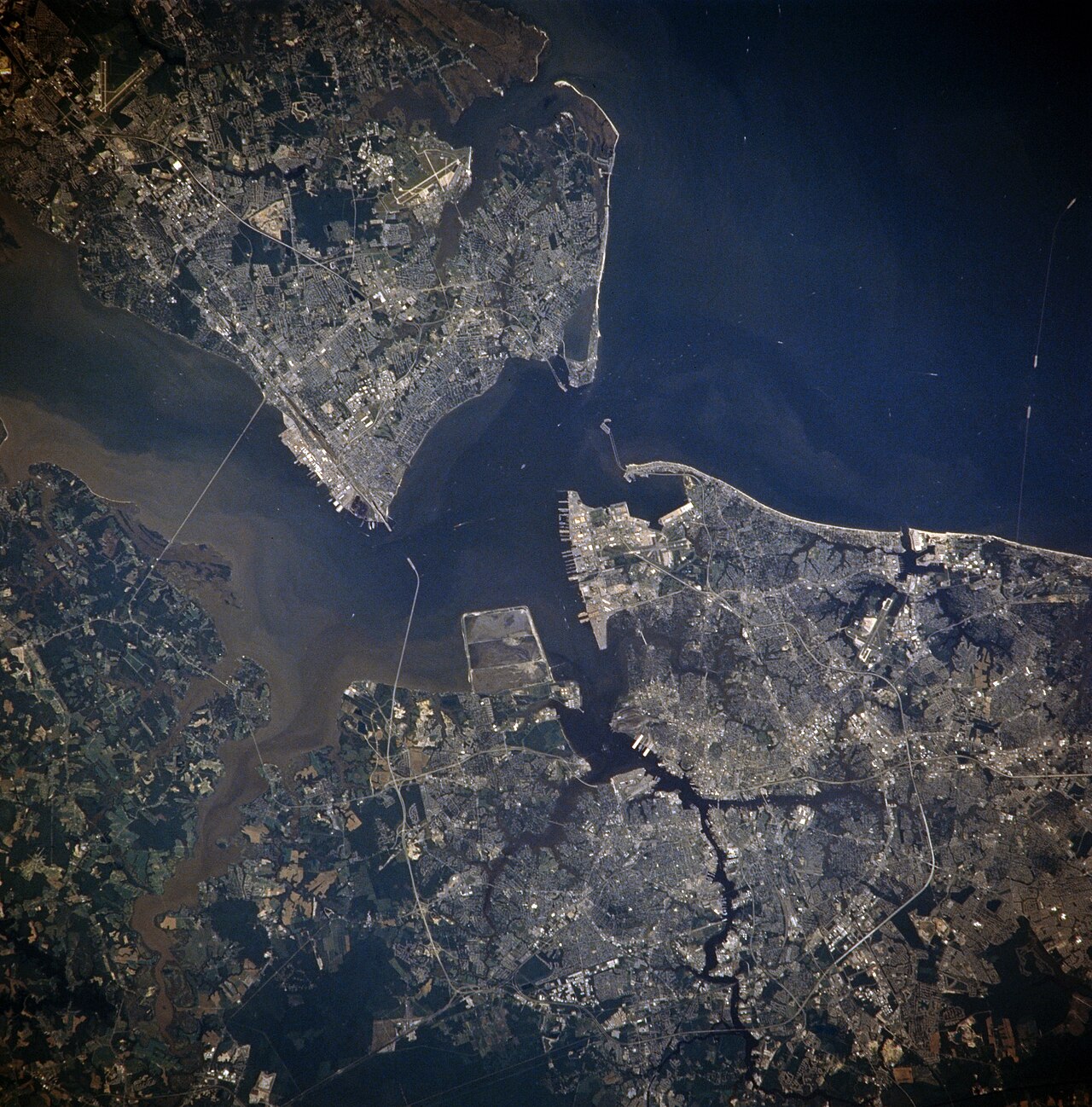
The Virginia Peninsula sits in the southeastern part of the Commonwealth of Virginia. Bounded by the York River to the north, the James River to the south, and opening to Hampton Roads and the Chesapeake Bay, it forms a distinct landform between major waterways. The area is often referred to as the "Southern Neck" to distinguish it from the nearby Middle Peninsula and Northern Neck. For a general map and orientation see Virginia Peninsula and regional material on southeast Virginia.
Image gallery
5 Images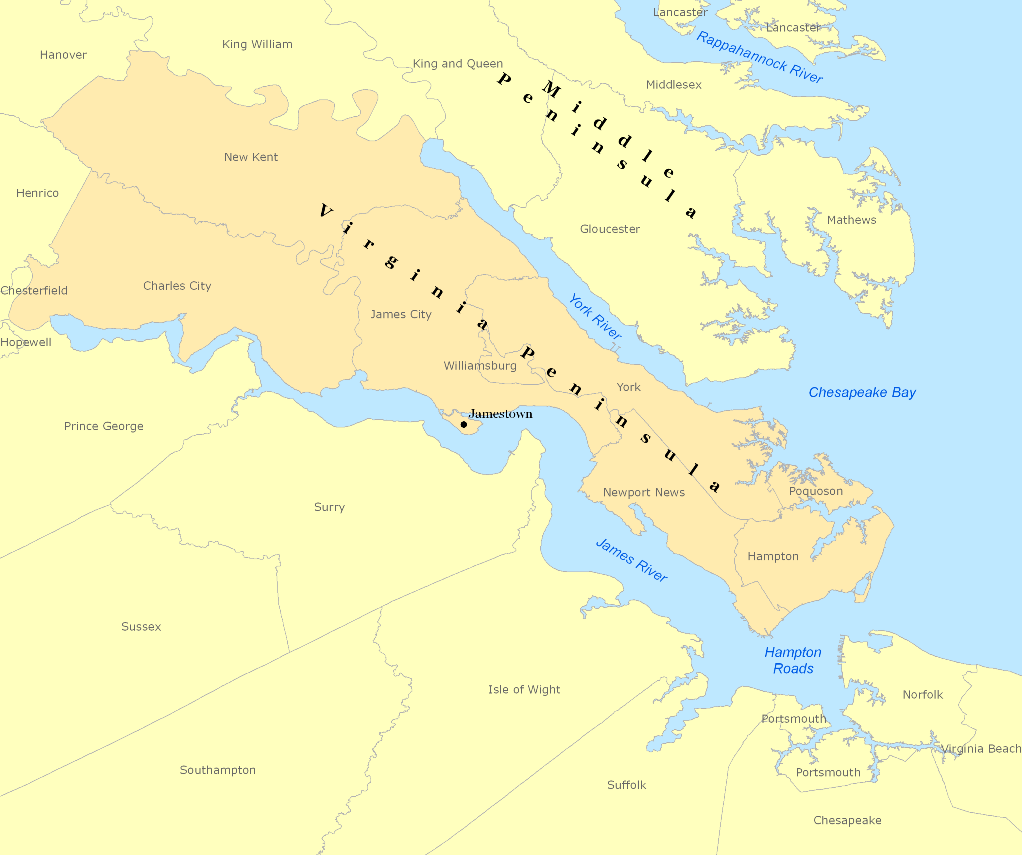

Geography and communities
The peninsula includes a mix of independent cities and counties that lie on low plains and river estuaries. Salt marshes, tidal creeks and small barrier beaches are common along its shorelines. Principal population centers and jurisdictions typically associated with the peninsula include:
- Newport News
- Hampton
- Williamsburg
- York County and James City County
- Smaller municipalities such as Poquoson and adjacent communities
Major waterways shape travel and industry here, with the James River and York River providing navigation routes and waterfront access. For river studies and nautical access information consult resources on the James River and regional harbor guides for Hampton Roads.
History and cultural importance
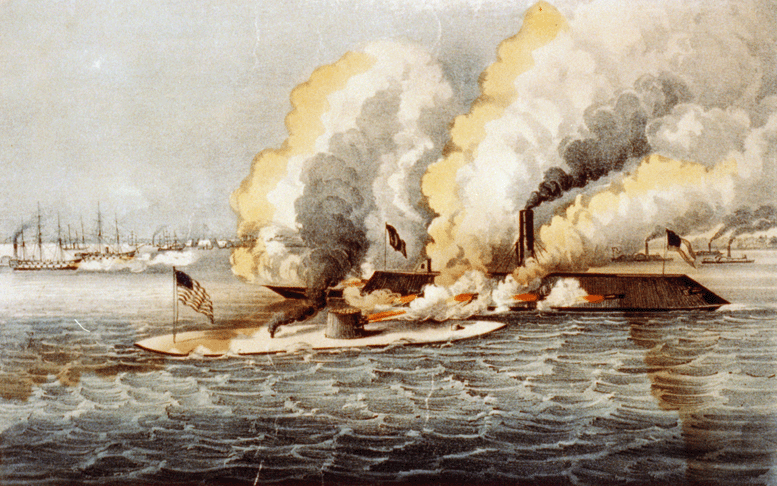
The peninsula is one of the earliest sites of English settlement in North America. Jamestown, founded in 1607 on the James River shore, anchors a cluster of colonial-era places often called the Historic Triangle—Jamestown, Williamsburg and Yorktown—whose sites and museums emphasize early American history. The peninsula also played roles in later conflicts: the Revolutionary War culminated with the Siege of Yorktown, and during the Civil War the area was strategically significant in campaigns aimed at Richmond.
Economy, institutions and transportation
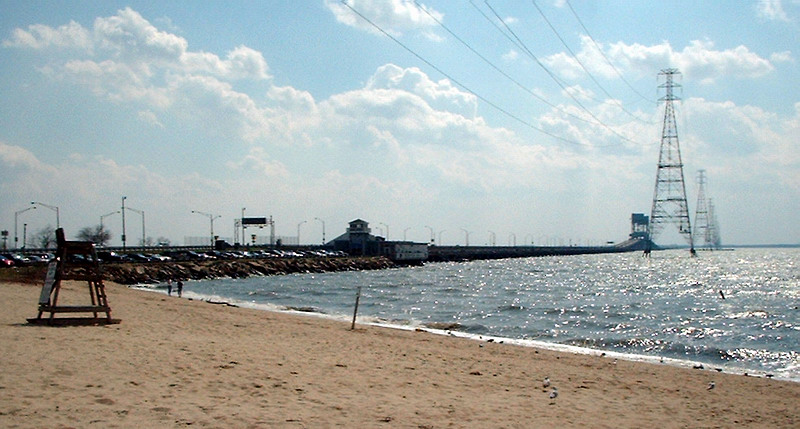
Today the peninsula's economy blends tourism, military and federal research facilities, and heavy industry. Notable employers include shipbuilding and repair yards, military installations and aeronautics research centers located in cities like Hampton and Newport News. The region is served by major highways and several river crossings; I-64 is the primary interstate route linking the peninsula to Richmond and other parts of Virginia. Maritime access to the Chesapeake Bay supports commercial shipping and recreational boating—additional information on the bay environment and fisheries is available through resources about the Chesapeake Bay.
Distinctive features and contemporary notes
Visitors and residents often highlight the peninsula's mixture of preserved colonial landscapes, active waterfront industry, and military presence. Its shoreline ecosystems are important for migratory birds, fisheries and local recreation. The local label "Southern Neck" remains in use when writers or officials want to avoid confusion with the Middle Peninsula and Northern Neck farther upriver and northward.
Related articles
Author
AlegsaOnline.com Virginia Peninsula — geography, history, and significance Leandro Alegsa
URL: https://en.alegsaonline.com/art/105544