
Virgin Trains (United Kingdom) — history, operations, and legacy
Overview of Virgin Trains, the UK train operator known for West Coast and East Coast services, its corporate structure, rolling stock, franchise history and the legacy after transfer to successor operators.
Overview
Virgin Trains was a prominent train operating company in the United Kingdom that operated long‑distance intercity services. Best known for services from London Euston northwards, it served major population centres in the North West, the West Midlands and Scotland. The business combined Virgin branding with a partner company and ran under franchises awarded by the UK rail authorities.
Image gallery
10 Images


Services and routes
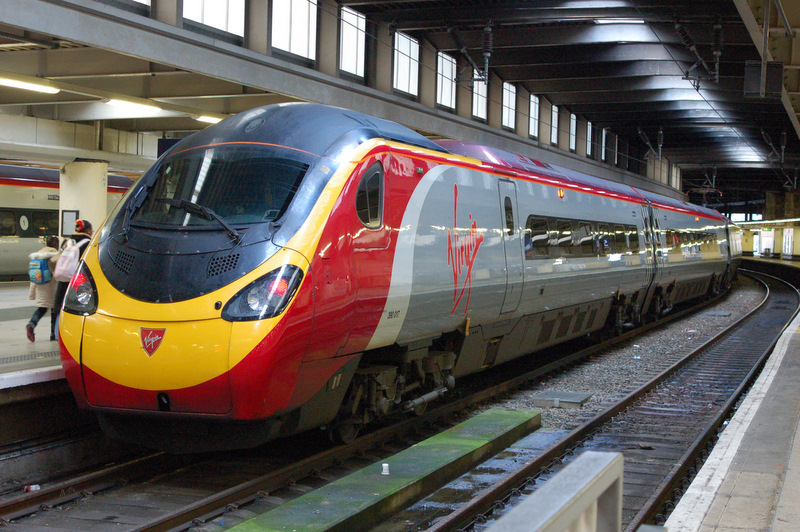
Virgin Trains' core operation concentrated on the high‑capacity main line between London and north‑west Britain. It was particularly associated with the West Coast Main Line, linking the capital to major cities and regions. For a period the company also operated services on the east coast corridor between London and northern England and Scotland under a separate franchise arrangement. Earlier in its history it ran cross‑country services that connected the south and south‑west of England with northern cities such as Manchester, and with onward links to Scotland, often passing through hubs such as Birmingham.
Corporate structure and franchise model
Virgin Trains was a joint venture branded under the Virgin Group name but operated in partnership with another transport company. Under the franchise model used on Britain’s railways, private consortia bid to run services for fixed terms while the infrastructure remained separate. Ownership stakes and responsibilities varied by franchise: in some arrangements Virgin held a majority share alongside a partner such as Stagecoach, whereas in other ventures its financial share was smaller but the Virgin brand was prominent.
Rolling stock, passenger experience and innovations
Virgin Trains introduced and refurbished high‑speed rolling stock designed for intercity travel. On main trunk routes the operator used electric and tilting trains to deliver faster journey times on curved track and invested in passenger amenities such as onboard catering, refurbished seating and digital information systems. The company marketed itself on speed, service quality and a distinctive brand identity emphasising comfort and leisure travel.
History, transitions and legacy
Over time the UK rail franchising landscape changed and some of Virgin’s franchises were re‑awarded, terminated early or transferred. One of Virgin’s east‑coast franchises was brought back into public management after financial and contractual issues with the private sector provider, and later successor operators took over the former Virgin‑run West Coast services. Those transfers illustrate the broader uncertainties of the franchise system and the frequent reshaping of which companies operate particular routes.
Key facts and notable points
- Branding: Virgin’s consumer brand was central to the company’s public image even when its ownership stake varied; the Virgin Group name remained highly visible.
- Partnerships: Many operations were delivered in partnership with established rail firms such as Stagecoach, combining capital and operational experience.
- Routes: Principal routes included services from London Euston on the West Coast Main Line to the North West and Scotland, plus earlier cross‑country links through Birmingham and Manchester.
- Succession: Franchises formerly operated by Virgin later passed to other companies or to government‑owned outfits as part of re‑letting or emergency measures.
As a recognizable name in British rail history, Virgin Trains left a visible legacy: modernised trains on high‑speed routes, a customer‑facing brand identity and several high‑profile franchise contests that shaped public debate about private operation of national rail services. For readers seeking more detail on particular lines, rolling stock types, timetable patterns or the outcomes of franchise competitions, consult specialist rail history sources and official franchise reports accessible through the public transport archives and industry publications (operator records, national transport information, station histories).
Related articles
Author
AlegsaOnline.com Virgin Trains (United Kingdom) — history, operations, and legacy Leandro Alegsa
URL: https://en.alegsaonline.com/art/105533
Sources
- buyingbusinesstravel.com : "Government launches bids for West Coast franchise"