
Euston railway station, London
Major central London rail terminus and transport interchange in the London Borough of Camden; southern terminus of the West Coast Main Line with extensive Underground and bus connections and regional services.
Overview
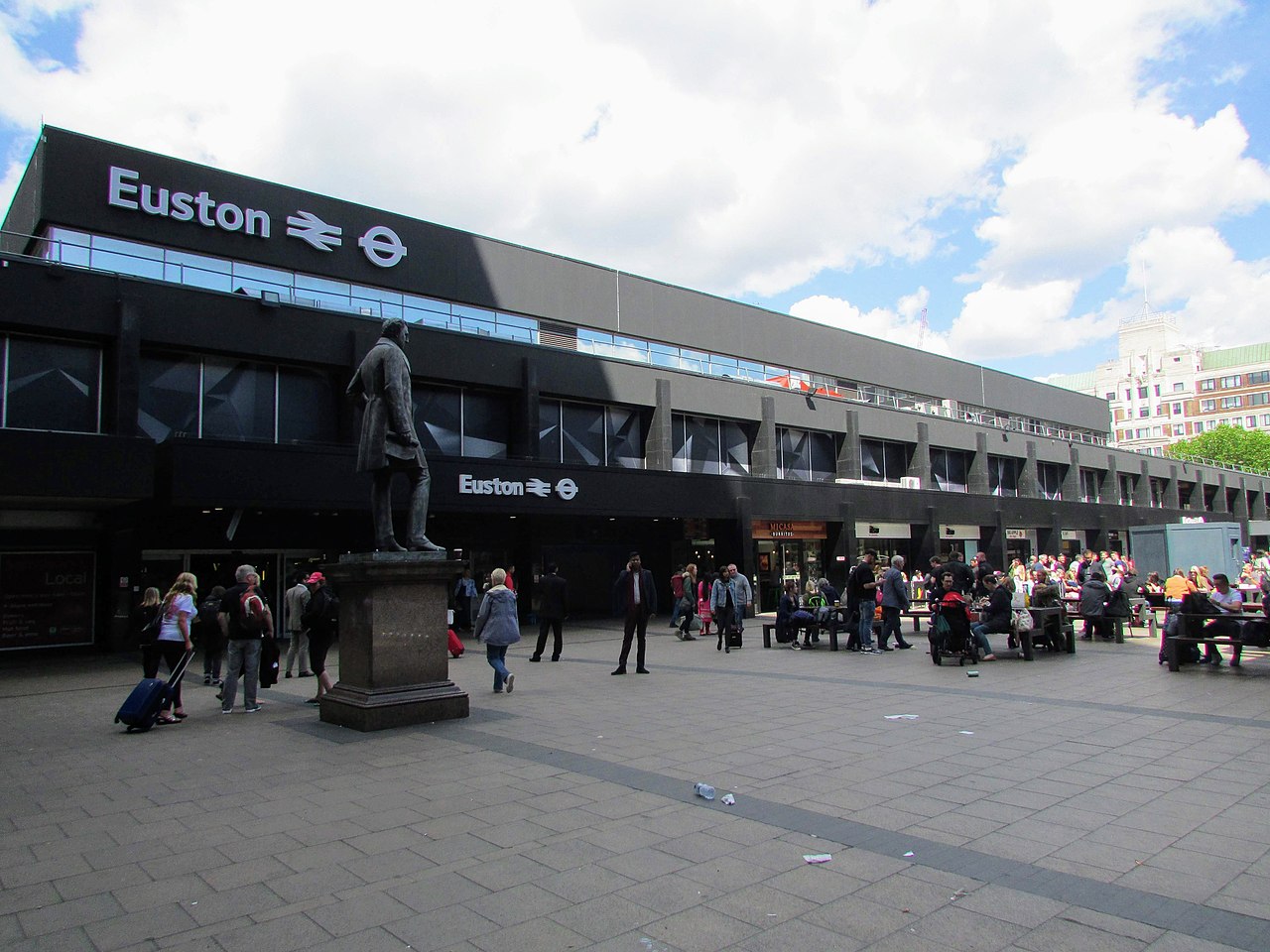
Euston is a principal railway terminus and transport interchange in north central London, located in the London Borough of Camden. Managed by Network Rail, it serves as the southern terminus of the West Coast Main Line and functions as a major gateway for long-distance and regional rail services to the West Midlands, the North West, North Wales and Scotland. The station handles a large volume of commuter and intercity travellers and forms one hub in London's wider transport network.
Image gallery
10 Images





Location and interchange
Euston has direct connections to the London Underground network via Euston tube station and is close to Euston Square tube station, giving access to multiple Tube lines across central London. The interchange lies within Travelcard Zone 1. Local surface transport is concentrated on the station precinct, which includes a dedicated bus station on the precinct, taxi ranks and numerous local bus routes that link the station to surrounding areas.
Layout and facilities
The station is a terminal complex with multiple platforms, a principal concourse, ticketing facilities and a range of passenger amenities. Facilities typically include staffed ticket offices and machines, waiting areas, step-free access to many platforms, customer information displays and retail outlets. Passenger services are designed to cope with high-throughput operations and a mix of short-distance commuters and long-distance travellers. Accessibility features and assistance services are provided, though arrangements and platform access can vary, so travellers are advised to consult operator information before travel.
Services and operators
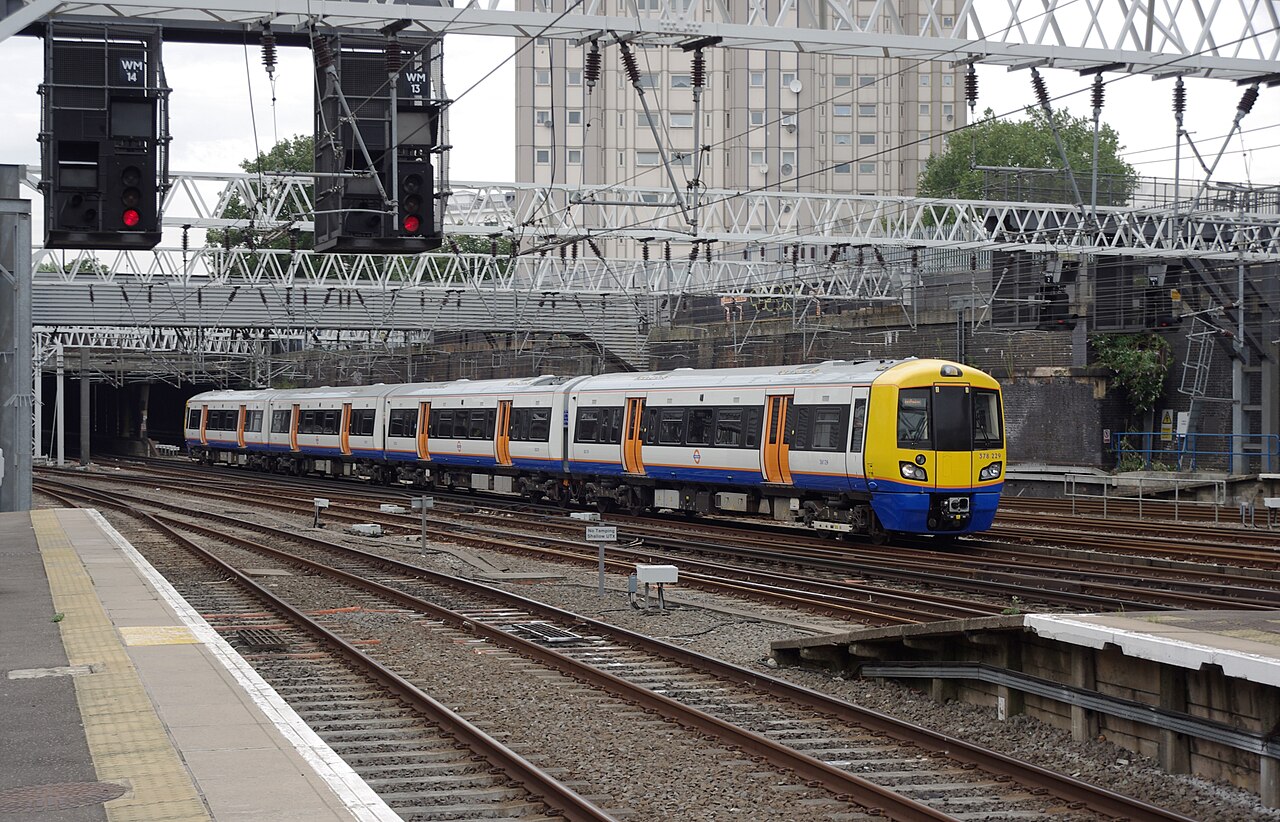
Euston is the principal London terminus for long-distance trains on the West Coast corridor. Intercity services to major cities and regions to the northwest and north of England operate from the station alongside regional and commuter services that link Greater London with neighbouring counties. These services are operated by a mix of intercity and regional franchises; passengers should check current operator names and timetables for the latest information.
History and development
The original Euston station opened in the 19th century as the London terminus of the line that connected the capital to the Midlands and the north. The station played a significant role in the early growth of Britain's railway network. Much of the Victorian station fabric was altered or demolished during mid-20th century redevelopment; the loss of the original Euston arch remains one of the more noted episodes in the history of British railway conservation. Since the mid-20th century, Euston has seen waves of modernization and periodic proposals for more extensive rebuilding to increase capacity and improve passenger facilities.
Redevelopment and future plans
In recent decades proposals for major change at Euston have often been linked to wider national rail projects. Plans at various times have proposed rebuilding parts of the station to increase platform capacity and to provide improved intermodal connections. Large-scale proposals have generated public debate over trade-offs between capacity, heritage conservation and urban impact. Proposed high-speed infrastructure projects have influenced planning decisions, though the scope and timing of redevelopment proposals have evolved and remain subject to change.
Importance and role
Euston acts as one of London’s busiest rail terminals and a strategic national gateway for northwest-bound and northbound rail traffic. As the southern terminus of the West Coast Main Line, it plays a central role in passenger routing between London and major northern cities and regions. The station also forms an important local interchange for commuters and visitors accessing central London by tube, bus and taxi.
Practical information
- Interchange: direct Underground access at Euston tube station and short walking distance to Euston Square tube station, with multiple lines available.
- Management: overseen by Network Rail, with services provided by intercity and regional train operators serving destinations in the West Midlands, North West, North Wales and Scotland.
- Local transport: the station precinct contains a bus station and surface-level stops on the precinct, and the whole interchange falls within Travelcard Zone 1.
- Network links: part of the national West Coast Main Line corridor and connected into London's London Underground network via adjacent tube stations.
Euston continues to function as both a daily commuter hub and an important national terminus. Travellers planning journeys that start or end at Euston should consult operator and station information for current timetables, platform arrangements and any temporary changes resulting from engineering works or redevelopment activity.
Questions and answers
Q: Where is Euston station located?
A: Euston station is located in north central London, in the London Borough of Camden.
Q: What kind of station is Euston station?
A: Euston station is a major railway station and London Underground station.
Q: What is the ranking of Euston station compared to other rail terminals in London?
A: Euston station is the seventh busiest rail terminal in London (by entries and exits).
Q: Who manages Euston station?
A: Euston station is managed by Network Rail, which manages 18 British railway stations.
Q: What is the southern terminus of the West Coast Main Line?
A: Euston station is the southern terminus of the West Coast Main Line.
Q: What are the main rail gateways for Virgin services from Euston station?
A: Euston station is the main rail gateway for Virgin services to/from the West Midlands, the North West, North Wales and Scotland.
Q: What other train services connect to Euston station?
A: Euston station is also a rail gateway for London Midland services to/from Greater London, West Midlands and the North West.
Related articles
Author
AlegsaOnline.com Euston railway station, London Leandro Alegsa
URL: https://en.alegsaonline.com/art/32677
Sources
- commons.wikimedia.org : Euston station
- orr.gov.uk : "Station usage estimates"
- rail-reg.gov.uk : "Station Usage 2006/07"
- networkrail.co.uk : "Stations Run by Network Rail"