
Volkswagen Beetle: history, design, and cultural legacy
Iconic compact car with a rear-mounted air-cooled engine, produced by Volkswagen from the mid-20th century, later revived in new front‑engine models; noted for its simple engineering and global popularity.
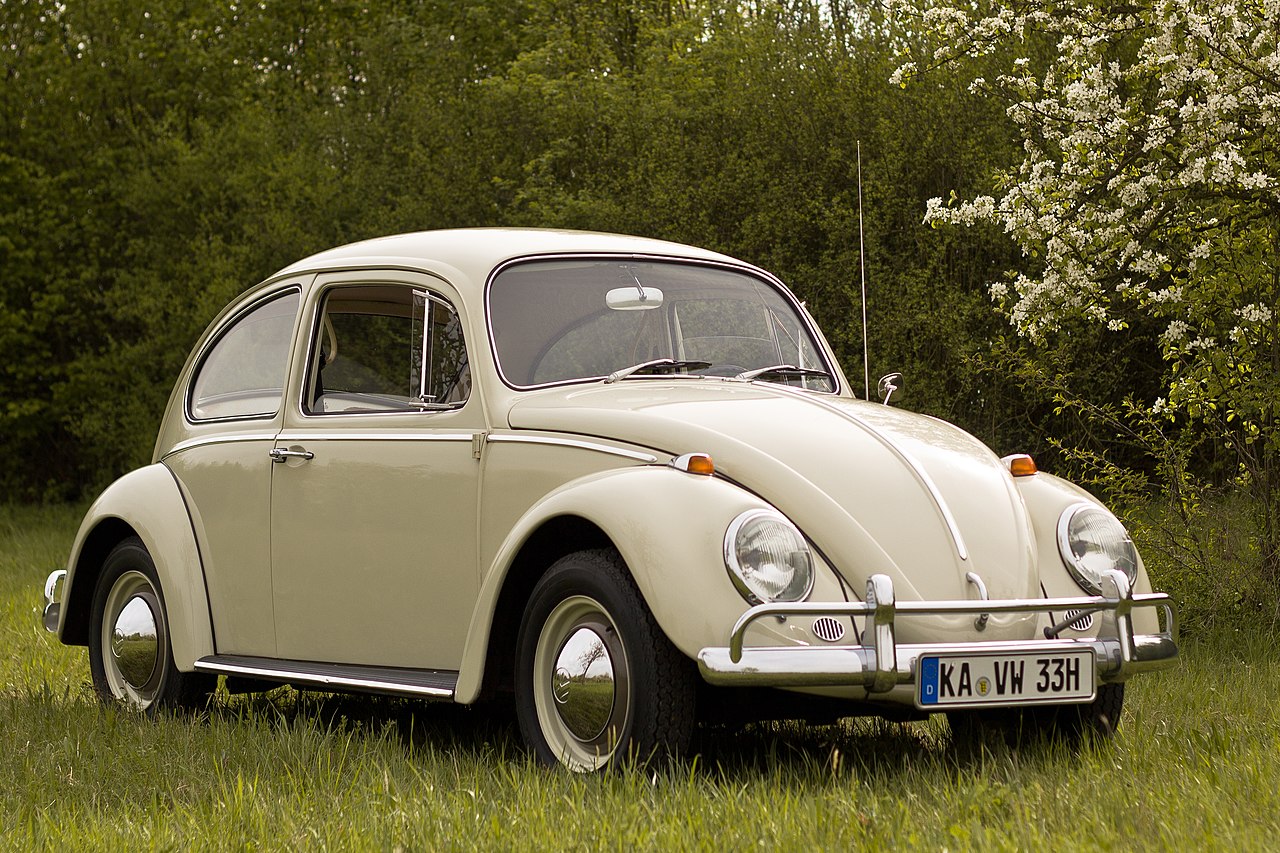
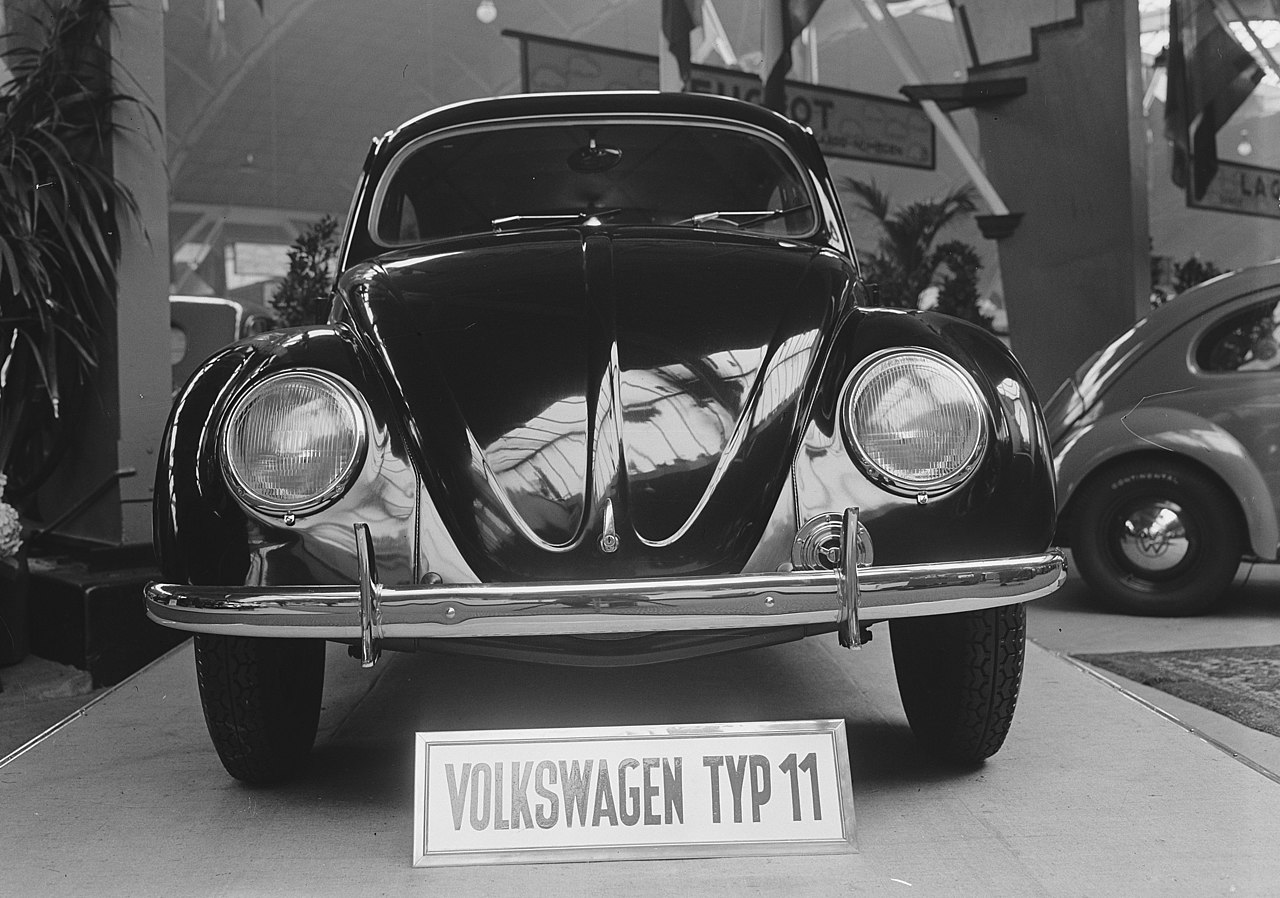
The Volkswagen Beetle is one of the most recognizable and long-lived automobile designs of the 20th century. Built initially by the Volkswagen company, the Beetle was conceived as an affordable, practical car for ordinary motorists and became a symbol of economical motoring worldwide. Its rounded, compact silhouette earned it a variety of informal names in different places, but its engineering layout and durability set it apart from many contemporaries.
Image gallery
10 Images





Design and technical characteristics
The original Beetle featured a rear-mounted, air-cooled flat engine and a simple, rugged chassis. This layout left a small luggage compartment at the front and produced a characteristically compact footprint. Prototypes and early production cars underwent extensive endurance testing—reports from the era note that development covered well over a million miles before full series production—emphasizing reliability and ease of maintenance.
- Engine placement: rear-mounted, typically a flat-four 'boxer' configuration (rear-mounted engine).
- Cooling: air-cooled design — no conventional liquid coolant loop or radiator required.
- Body: two-door, compact body with simple interior layout and modest luggage capacity.
- Construction: straightforward mechanicals that could be serviced with basic tools, encouraging widespread home restoration.
History and development
Design work on a people’s car that would become the Beetle was led by automotive engineer Ferdinand Porsche in the 1930s. The vehicle’s production and the company that produced it are closely linked: Volkswagen was created to manufacture this car in large numbers. Production expanded after World War II and continued for decades, with original air-cooled Beetles manufactured through 2003. Over its long production run more than twenty million examples were built, making it one of the best-selling automobiles in history. For a period in the late 20th century the Beetle held the record for cumulative sales until a later competitor, the Toyota Corolla, surpassed it around the turn of the millennium.
Later models and mechanical shifts
As market expectations and safety regulations evolved, Volkswagen introduced modern reinterpretations of the Beetle. In the late 1990s a retro-styled model often called the New Beetle reimagined the classic silhouette on a front-engine, water-cooled platform. A further redesign in the 2010s continued that approach: these later Beetles used front-mounted, liquid-cooled engines and shared structural components with other Volkswagen small cars, such as the Volkswagen Golf. Functionally and mechanically these modern Beetles are very different from the original air-cooled rear‑engine cars, even though they retain the familiar rounded styling cues.
Legacy, culture, and enthusiasts
The Beetle’s accessibility and distinctive look fostered a global enthusiast culture. Clubs and restoration communities maintain and modify original models, preserving mechanical knowledge of air-cooled engines and period parts. The car also entered popular culture through film and advertising; a famous fictional Beetle with a personality named Herbie appeared in a series of family films produced by Disney, helping to cement the model’s place in popular imagination.
Beyond fandom, the Beetle’s significance lies in its role as a mass-market automobile that prioritized simplicity and reliability. It influenced compact car design, transportation patterns in many countries, and served as a durable, easy-to-repair vehicle for several generations. Whether encountered as a restored classic at a show or as a cultural icon in movies and art, the Volkswagen Beetle remains a widely recognized example of economical automotive design and social history.
Related articles
Author
AlegsaOnline.com Volkswagen Beetle: history, design, and cultural legacy Leandro Alegsa
URL: https://en.alegsaonline.com/art/105845
Sources
- articles.chicagotribune.com : "How to Spell Best-Seller"