
Centrifuge
A centrifuge is a rotating device that separates components of a mixture by applying strong radial acceleration; used in laboratories, industry, medicine and isotope enrichment.
Overview
A centrifuge is a machine that spins samples at high speed to produce a strong outward-directed acceleration. Under rotation, denser components move away from the axis of rotation and lighter components move inward, allowing separation of mixtures by density or phase. The method of using a centrifuge is called centrifugation.
Image gallery
7 Images




Main parts and how it works
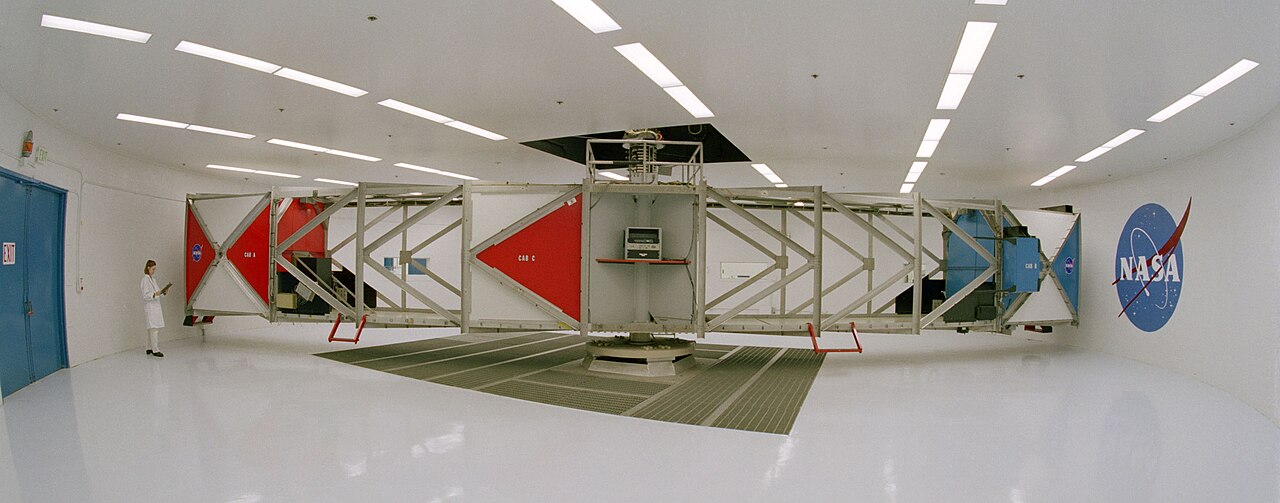
Typical centrifuges consist of a motor-driven rotor that holds tubes, bottles or special carriers, a protective housing, and controls for speed and time. Rotors come in several styles — fixed-angle, swing-bucket and continuous-flow — and the choice affects how particles collect. Instruments range from small microcentrifuges used for molecular biology samples to large industrial models that process many liters.
Types and performance
- Microcentrifuges: compact units for small-volume tubes used in research and clinical labs.
- Refrigerated centrifuges: control sample temperature for heat-sensitive material.
- Ultracentrifuges: high-speed instruments that generate extremely large forces for separating macromolecules and viruses.
- Industrial and decanter centrifuges: continuous or batch machines for sludge, dairy cream separation and oil treatment.
- Gas centrifuges: specialized high-speed devices used for isotope separation in nuclear technology.
History and development
Laboratory centrifuges became common in the late 19th and early 20th centuries as chemists and biologists sought faster methods to separate solids and liquids. Advances in materials, bearings and motors permitted higher speeds; the analytical and preparative ultracentrifuge was developed in the early 20th century and proved crucial for studying macromolecules and colloids.
Applications and examples
Centrifuges are indispensable in many fields. In medicine they separate blood into plasma, buffy coat and red cells and prepare samples for diagnostic tests. Research labs use them for cell fractionation, DNA and protein purification. In industry they clarify liquids, recover solids, or separate cream from milk. Gas centrifuges are used in isotope enrichment for certain nuclear fuel cycles.
Safety, maintenance and notable distinctions
Because rotors operate at high speeds, imbalance or defects can cause dangerous failures; proper balancing, routine inspection and following manufacturer limits are essential. Centrifugal action is often described in everyday terms as "centrifugal force," an apparent force in the rotating frame; the physical constraint acting inward is centripetal force. Users also watch temperature, sealing and biohazard containment when handling infectious material.
Related articles
Author
AlegsaOnline.com Centrifuge Leandro Alegsa
URL: https://en.alegsaonline.com/art/18120
Sources
- science.howstuffworks.com : "What's a uranium centrifuge?"
- wisegeek.com : "What is a Centrifuge?"