
Virtual community — definition, features, history and uses
A virtual community is a group that interacts online around shared interests or goals. This article explains what virtual communities are, their forms, history, benefits, challenges and key distinctions.
Overview
A virtual community is a network of people who interact primarily through digital channels rather than face-to-face meetings. Members gather around a shared interest, activity, identity or goal and communicate using technologies such as forums, social networks, chat, email or video. Platforms and tools vary widely; some communities operate on dedicated forums, others on social apps or collaborative workspaces. A virtual community can be as small as a private group or as large as a global movement — the defining feature is that connection is mediated by technology: for example, a discussion forum or an online interest group.
Image gallery
9 Images



Characteristics and common forms
Virtual communities have several recurring characteristics: shared purpose, communication channels, social norms, roles (such as moderators), and a degree of persistence where conversations and resources endure over time. Common forms include:
- Discussion boards and forums, where asynchronous posts create long-running threads.
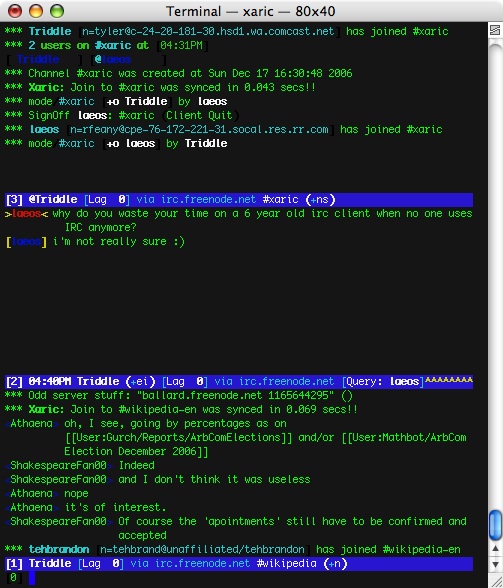
- Real-time chat rooms and group messaging for synchronous interaction.
- Social media groups and pages that mix broadcasting with conversation.
- Virtual worlds and gaming guilds that combine social life with play.
- Professional networks and collaborative projects that focus on work or learning.
Different communities emphasize different features: some prioritize anonymity and rapid interaction (chat-based spaces), others emphasize reputation systems and archives (moderated forums).
History and development
Early virtual communities grew from technologies such as bulletin board systems, Usenet, and mailing lists, which allowed people to exchange messages across distances. Over time, advances in the Internet, mobile devices and multimedia raised the scale and immediacy of online interaction, giving rise to social networks, specialist forums, and massive multiplayer environments. Contemporary communities blend many of these roots and are hosted on a variety of platforms, from enterprise collaboration tools to public social sites and niche hubs (platforms).
Uses, benefits and importance
Virtual communities serve many purposes: they provide social support, professional networking, knowledge exchange, entertainment and political or civic organizing. Benefits include easier access to expertise, peer feedback, emotional support across distances, and the ability to mobilize collective action quickly. For creators and organizations, communities can foster loyalty, crowdsource ideas, and sustain long-term engagement (examples).
Challenges and notable distinctions
Online communities face issues such as moderation, misinformation, harassment, privacy and governance. Effective communities often develop clear rules, active moderation, and tools for trust and reputation. A key distinction is between a virtual community and a mere communication channel: a community implies recurring social ties and shared norms rather than one-off exchanges. Whether small and private or large and public, successful virtual communities balance openness with structures that help members collaborate safely and sustainably (further reading).
Note: Technical platforms evolve rapidly; the underlying social dynamics — shared interest, communication, and evolving norms — remain the core of virtual community life.
Questions and answers
Q: What is a virtual community?
A: A virtual community is a group of people who share an interest, hobby or set of views and communicate with each other using technology.
Q: Do the people in a virtual community need to be from the same place?
A: No, the people in a virtual community may come from many different places.
Q: What technologies can people use to communicate with each other in a virtual community?
A: People in a virtual community can talk with each other using technology such as the Internet, telephone calls, texting, video calls, and email.
Q: How do people in a virtual community interact with each other?
A: People in a virtual community interact with each other using technology, such as the Internet, telephone calls, texting, video calls, and email.
Q: What is the common binding factor in a virtual community?
A: The common binding factor in a virtual community is the shared interest, hobby or set of views.
Q: Is a virtual community limited to one particular area or field of interest?
A: A virtual community is not limited to one particular area or field of interest, but can be formed around any shared interest, hobby or set of views.
Q: What is the importance of technology in a virtual community?
A: Technology is important in a virtual community, as it allows people from different places to communicate with each other easily and quickly.
Related articles
Author
AlegsaOnline.com Virtual community — definition, features, history and uses Leandro Alegsa
URL: https://en.alegsaonline.com/art/105572