
Visiting card (calling card): history, use, design and etiquette
A visiting card (calling card) is a small printed card used historically to announce or record a social visit. This article explains its form, social function, history, manufacture, and relation to modern business cards.
Overview
A visiting card, also called a calling card, is a small card bearing a person's name and sometimes additional information or a decorative device. Its primary historical purpose was social: visitors left a card to record that they had called on someone, to request a future visit, or to communicate the outcome of an expected visit. Cards ranged from very plain (only a name) to elaborate designs incorporating addresses, crests, mottos, engraved ornament, or printed instructions about calling hours.
Image gallery
10 Images


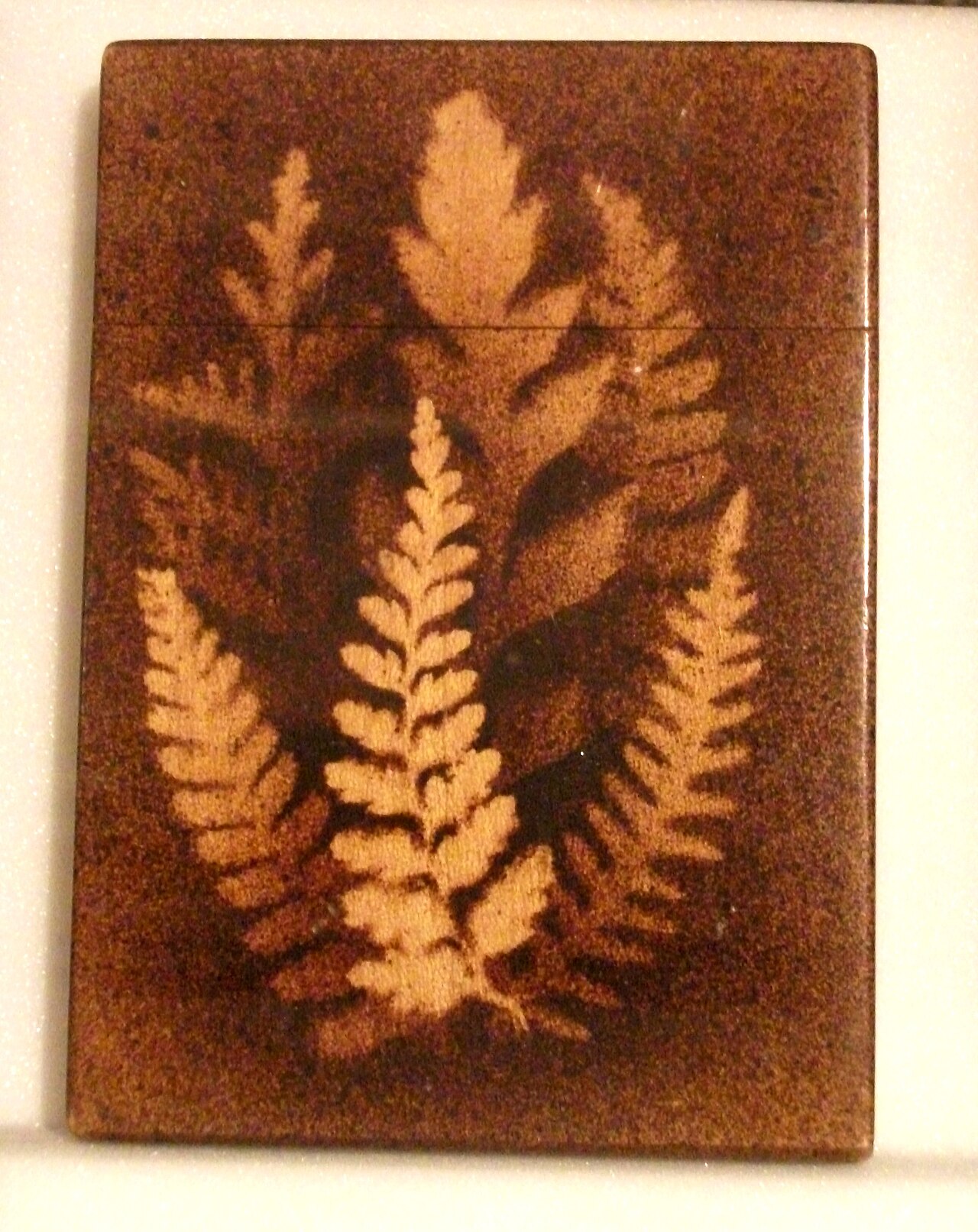
Typical features and variations
Visiting cards were usually small—roughly the size of a modern business card—and produced on card stock or pressed paper. Common features included:
- Name: almost always prominent and sometimes engraved in ornate type or script.
- Address or contact details: present on some cards, especially later in the 19th century.
- Decorative elements: monograms, coats of arms, floral motifs, or pictorial vignettes.
- Instructions or visiting days: a few cards indicated when visitors were welcome or how to arrange an appointment.
Social use and etiquette
The etiquette surrounding visiting cards was an important part of polite society in Europe and North America from the 18th through the early 20th centuries. Cards were presented or left at a household to signal a call; the manner of presentation, whether by hand or via a servant, and whether the caller waited for the occupant to be at home, were all governed by local social custom. Variations in presentation—such as folding a card, making a pencil mark, or inserting a card into a card tray—could convey specific messages, for example whether the caller intended a formal visit, a friendly drop-in, or a future invitation.
History and production
The practice developed from earlier customs of visiting and gift-giving; by the 18th century it had crystallized into a distinct material form. Prior to industrial printing, cards were engraved or hand-lettered and sometimes hand-colored. With improved printing and papermaking technologies in the 19th century, production became more standardized and affordable, and a wider variety of designs became available. Photographic and lithographic methods later allowed portraits or more complex imagery to be reproduced on cards.
From social card to business card
By the late 19th and early 20th centuries the social function of the visiting card began to decline as social customs changed and as urban life made casual calling less practical. At the same time, printed cards found a new role in commerce: the modern business card evolved from the same practical need to exchange a name and contact information. While business cards are used primarily for professional networking, visiting cards remain of interest to collectors and historians as tangible evidence of social networks and etiquette.
Examples and notable cards
Historical examples illustrate the range of styles: a plain card with only a name; cards showing an address and stated visiting day; and ornate cards used by public figures. For instance, one preserved example lists only the name of Johann Wolfgang von Goethe. Another card associated with the Beethoven family is preserved and sometimes reproduced in catalogues of musical ephemera; see representations linked to Ludwig van Beethoven's circle. Royal and clerical cards could be highly formal, as in the preserved cards of Wilhelm II and various cardinals. For a general history of production and printing innovations that affected visiting cards, consult resources summarized at further reading.


Today visiting cards are studied by collectors and social historians for what they reveal about taste, rank, and daily life in past centuries. They are also a reminder of how small printed objects can encode complex rules of behavior and social signaling.
Related articles
Author
AlegsaOnline.com Visiting card (calling card): history, use, design and etiquette Leandro Alegsa
URL: https://en.alegsaonline.com/art/105618