
Walls of Ávila: medieval fortifications enclosing Ávila, Spain
The Walls of Ávila are a largely intact medieval circuit of granite fortifications built in the 11th–12th centuries around Ávila, Spain. They are a major historic landmark and UNESCO-listed ensemble.
Overview
The Walls of Ávila form one of the most complete and best-preserved examples of medieval city fortification in Europe. Encircling the old town of Ávila in central Spain, the circuit has survived in large part from its medieval construction and is a defining visual and cultural feature of the city.
Image gallery
8 Images




Form and principal features
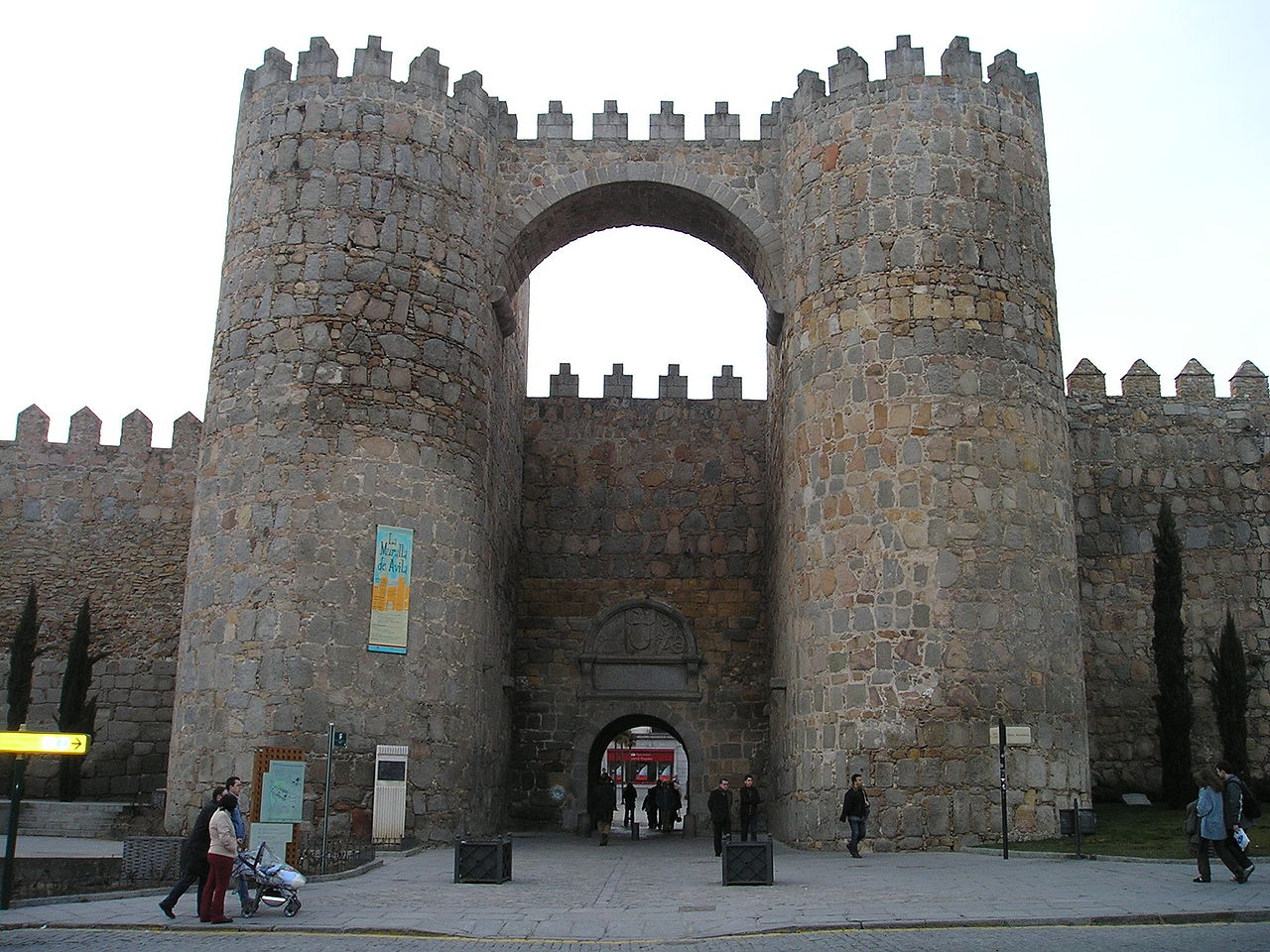
The ramparts are built of local granite and include a continuous parapet and a protected walkway for defenders. Characteristic elements include semicircular towers, crenellated battlements and several monumental gates. Notable components that draw attention are the integration of the cathedral into the line of the wall and the major gates such as the Puerta de San Vicente and the Puerta del Alcázar.
- Material: rough-hewn granite blocks forming walls and towers
- Towers: numerous projecting and half-towers along the circuit
- Gates: several principal entrances that controlled access
History and development
Construction began during the early Middle Ages and the main work was completed between the 11th and 12th centuries, a period of territorial consolidation on the Iberian Peninsula. Over later centuries the walls were repaired and modified to meet changing defensive needs, but much of their medieval appearance survives. The ensemble, including nearby churches and the historic core, received international recognition for its cultural value in the 20th century.
Importance and modern use
Beyond their original military role, the walls are now central to Ávila’s identity and cultural tourism. Sections are accessible to visitors, offering panoramic views of the city and surrounding plain. The fortifications are presented and interpreted in local museums and guided walks, and they anchor festivals and educational programs that explain medieval urban life and construction techniques.
Notable distinctions and preservation
The circuit is widely cited as one of the most complete medieval city walls in Spain. Conservation has focused on stabilizing masonry, preventing vegetation damage and making parts safe for public access. For further reading on the site and visitor information see general references and guides available online and through cultural heritage organizations such as national listings and international heritage bodies noted at specialist portals.
Related articles
Author
AlegsaOnline.com Walls of Ávila: medieval fortifications enclosing Ávila, Spain Leandro Alegsa
URL: https://en.alegsaonline.com/art/106310