
Video CD (VCD): digital movie format on compact disc
Overview of the Video CD (VCD) format: how it stores video and audio on compact discs, its technical limits, history, typical uses, and how it compares to DVD and VHS.
A Video CD (VCD) is a consumer digital video format that stores movie content on a standard compact disc (CD) rather than on tape or on a higher-capacity optical disc. Intended as a low-cost alternative to the later DVD, a VCD carries compressed video and audio files prepared to play on compatible players, computers and some DVD players.
Image gallery
3 Images

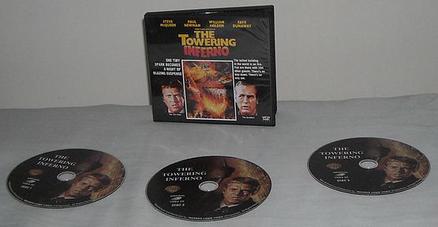
Characteristics
VCDs use MPEG-based compression to fit roughly an hour or more of footage onto a single 650–700 MB disc. Typical technical points include:
- Video compression: MPEG-1 at about 1.15 Mbit/s, producing resolutions commonly 352×240 (NTSC) or 352×288 (PAL).
- Audio: MPEG-compatible stereo audio designed for consumer playback.
- Disc capacity and play time: a single CD-sized disc generally holds around 74–80 minutes of video, depending on encoding settings.
- File layout: a standardized directory and file naming convention that lets dedicated VCD players and software locate video streams.
History and development
VCD emerged in the 1990s as optical media and MPEG compression became practical for consumer video. It filled a market niche between analog tape formats and the more expensive, higher-capacity DVD. Because it leveraged inexpensive CD production and widely supported MPEG playback, the format spread quickly in regions where DVD players and discs were initially costly or scarce.
Uses and playback
VCDs were commonly used to distribute feature films, music videos and short programs. They play on many standalone VCD players, some DVD players and on personal computers with multimedia software. In many countries VCDs were popular for home video distribution, rental stores and low-price retail releases because they were cheap to manufacture.
Comparison and legacy
In perceived picture quality a VCD is roughly comparable to a standard-resolution analog broadcast or a VHS tape: adequate for television-size viewing but clearly below DVD quality. With the widespread adoption of DVD and later digital streaming, VCDs became less common; however, they remain a notable step in the transition from analog to digital home video and are still encountered in archival collections and regions where legacy players persist.
Notable facts: the format's low manufacturing cost and broad compatibility helped it serve as an early mass-market digital video medium. Later formats, including Super VCD (SVCD) and DVD, sought to improve resolution and audio at the expense of compatibility with basic VCD players.
Related articles
Author
AlegsaOnline.com Video CD (VCD): digital movie format on compact disc Leandro Alegsa
URL: https://en.alegsaonline.com/art/105027
Sources
- support.microsoft.com : "Play a CD or DVD in Windows Media Player"