
Oxnard, California — Coastal city and agricultural center
Oxnard is the largest city in Ventura County, California, known for its coastal plain, extensive agriculture (notably strawberries and lima beans), port facilities and diverse community.
Overview
Oxnard is the largest city in Ventura County, in southern California. Founded in 1903, it has a population of over 200,000 and functions as a regional hub where coastal geography meets a broad, fertile plain. The city combines residential neighborhoods, industrial zones and large areas of working farmland.
Image gallery
10 Images




Geography and neighborhoods
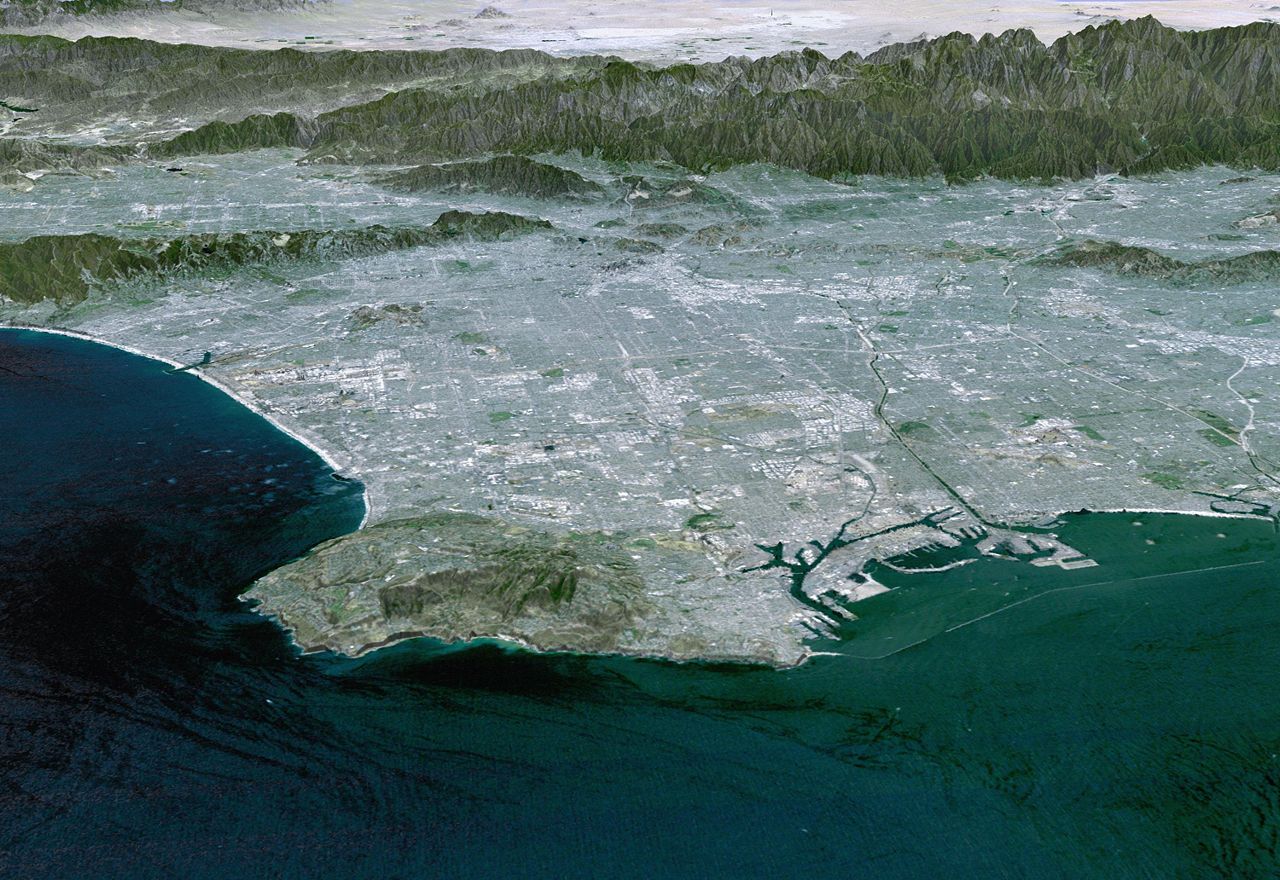
Oxnard lies at the western edge of the Oxnard Plain, a flat coastal expanse that historically supported large-scale agriculture. The city faces the Pacific Ocean and includes harbor and shoreline areas as well as inland residential and commercial districts. Its layout reflects both agricultural parcels and more urbanized corridors that grew during the 20th century.
History and development
Established in the early 1900s, Oxnard grew around agricultural processing and shipping. It was named for an early family involved with the region's crop-processing enterprises, and for decades agriculture shaped its economy and land use. Over time the city diversified with manufacturing, services and transportation facilities that link the plain to wider markets.
Economy: agriculture, shipping and industry
Agriculture remains a defining element of Oxnard’s identity. The Oxnard Plain is internationally recognized for commercial vegetable and fruit production; in particular, the area is famous for its strawberries and historical production of lima beans. The city also benefits from port and logistics operations along its coast, which support imports and exports and provide local employment.
Culture, transportation and notable facts
Oxnard hosts a mix of cultural influences derived from farming communities, coastal life and immigrant traditions. Public transportation and regional highways connect Oxnard with nearby cities, and a deep-water harbor contributes to its maritime role. The combination of fertile land and a coastal position makes Oxnard an important agricultural and logistical center in the world of crop production and distribution.
- Largest city in its county and a regional population center.
- Agricultural significance tied to the fertile coastal plain.
- Maritime access and port facilities that support trade and industry.
- Diverse community shaped by farm, coastal and industrial histories.
Today Oxnard balances urban growth with the preservation of agricultural land, maintaining its long-standing role as a key producer and coastal gateway in Southern California.
Related articles
Author
AlegsaOnline.com Oxnard, California — Coastal city and agricultural center Leandro Alegsa
URL: https://en.alegsaonline.com/art/73821
Sources
- quickfacts.census.gov : "State & County QuickFacts - Oxnard, California"