
Video chat: real-time visual communication over networks
Overview of video chat: how it works, key components, bandwidth and quality considerations, history and common uses, and distinctions from other forms of online communication.
Overview
Video chat is a method of real-time conversation that combines moving images and voice over a digital network. Participants use cameras and microphones built into computers, tablets, or phones to see and hear one another while connected through the Internet. Sessions can be one-to-one or involve multiple people in a group call.
Image gallery
10 Images




Core components and characteristics
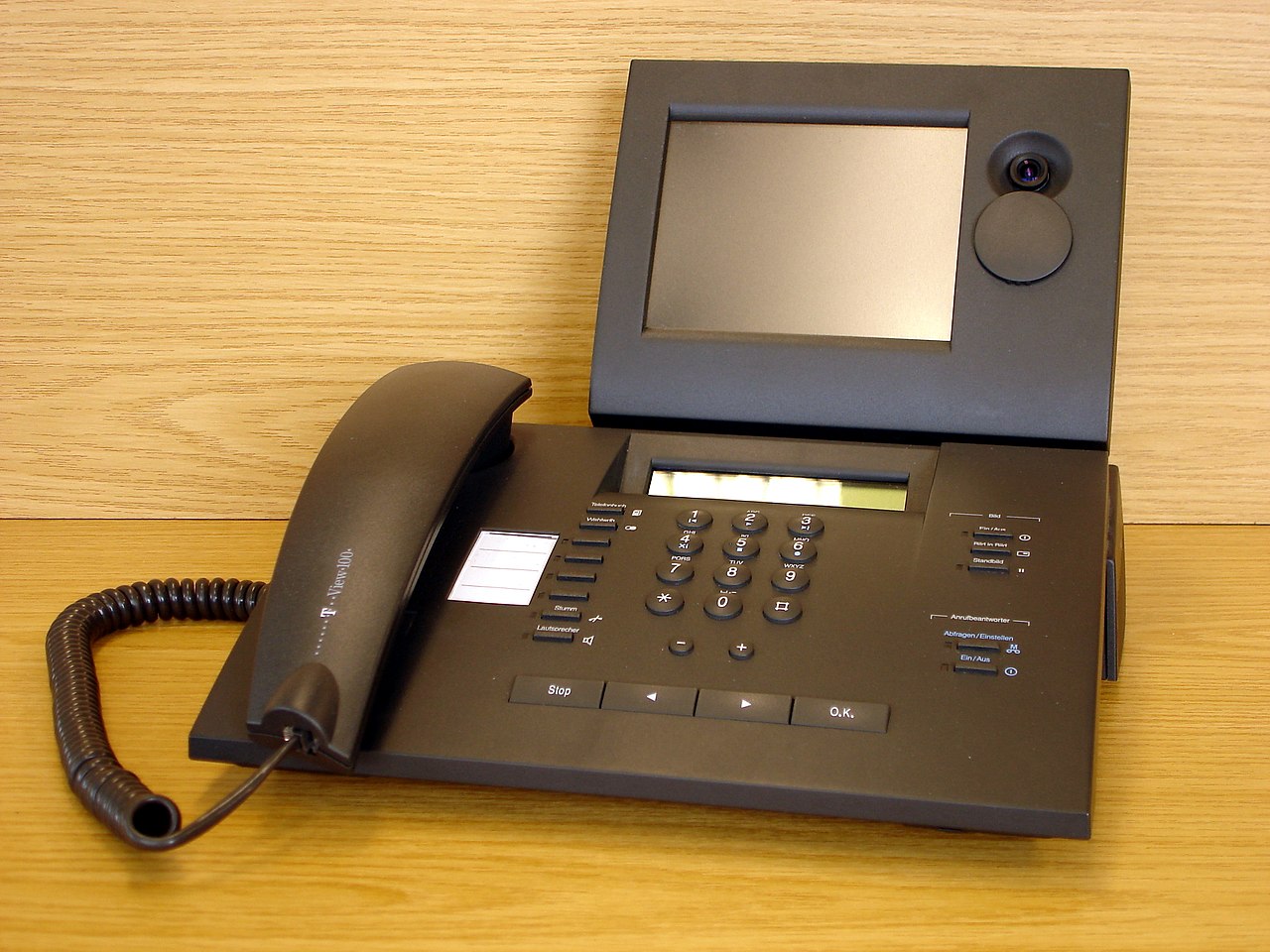
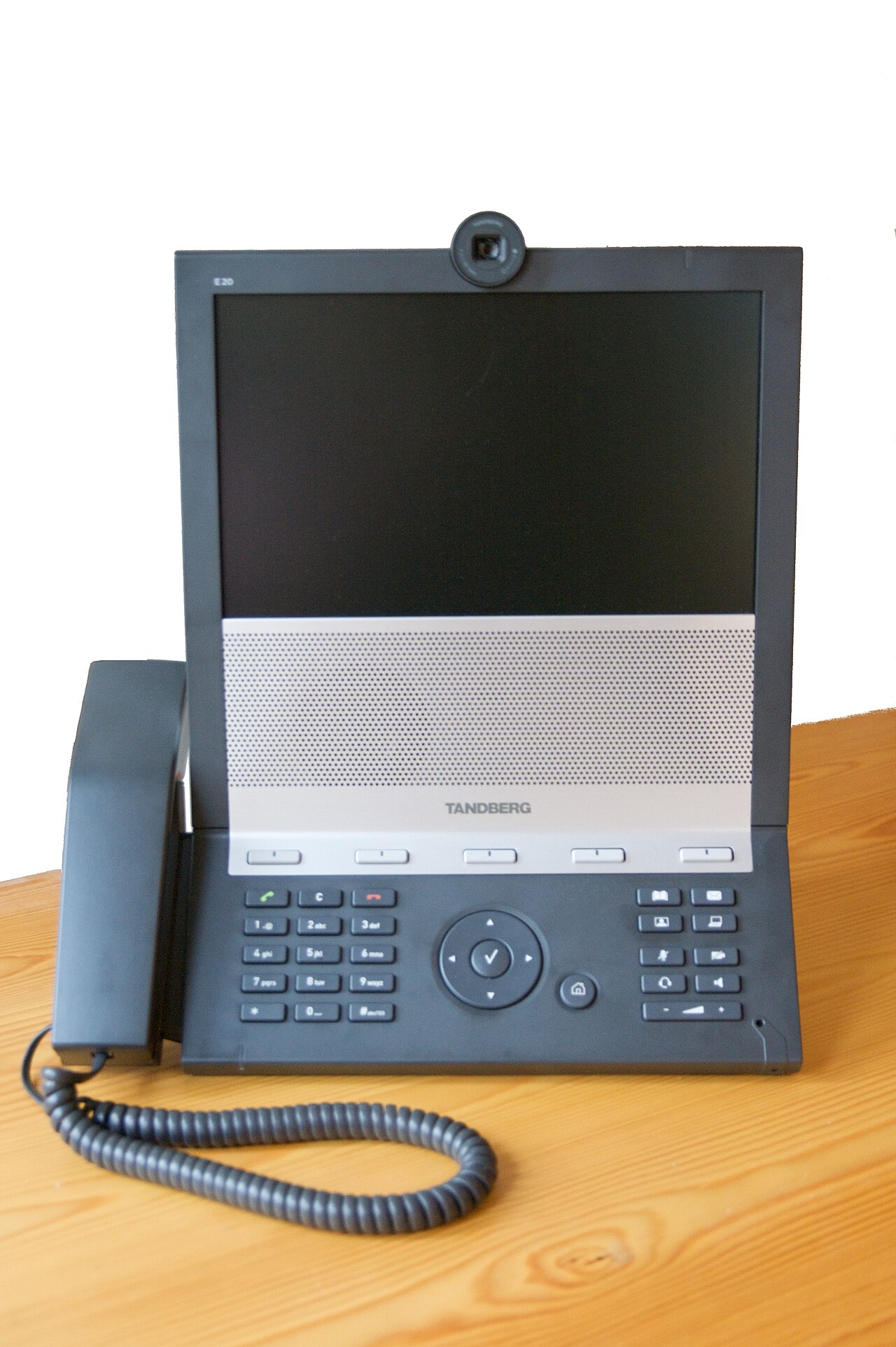
Typical video chat systems include a capture device (camera), an audio input (microphone), software to encode and transmit media, and a network link. Software may run in a native app or a web browser and often supports features such as screen sharing, text chat, virtual backgrounds, and end-to-end or transport encryption. Hardware ranges from basic integrated webcams to dedicated high-definition cameras.
Bandwidth, quality and reliability
Video requires more data than audio alone. To avoid stuttering and dropped frames many services recommend stable upload and download speeds; common guidance suggests roughly 1–3 Mbps for smooth standard-definition video, with higher rates for HD. When networks are constrained, applications can reduce resolution or pause video while keeping audio active to preserve the conversation. Latency, jitter, and packet loss also affect perceived quality.
History and development
Early experiments in two-way video date back to telephone-video prototypes in the 20th century, but widespread consumer use only emerged after broadband and mobile networks matured. The rise of smartphones, faster home connections and web standards accelerated adoption. Video chat has evolved from specialist systems to integrated services in social apps, conferencing platforms and web browsers.
Common uses and examples
- Personal calls between friends and family across distances.
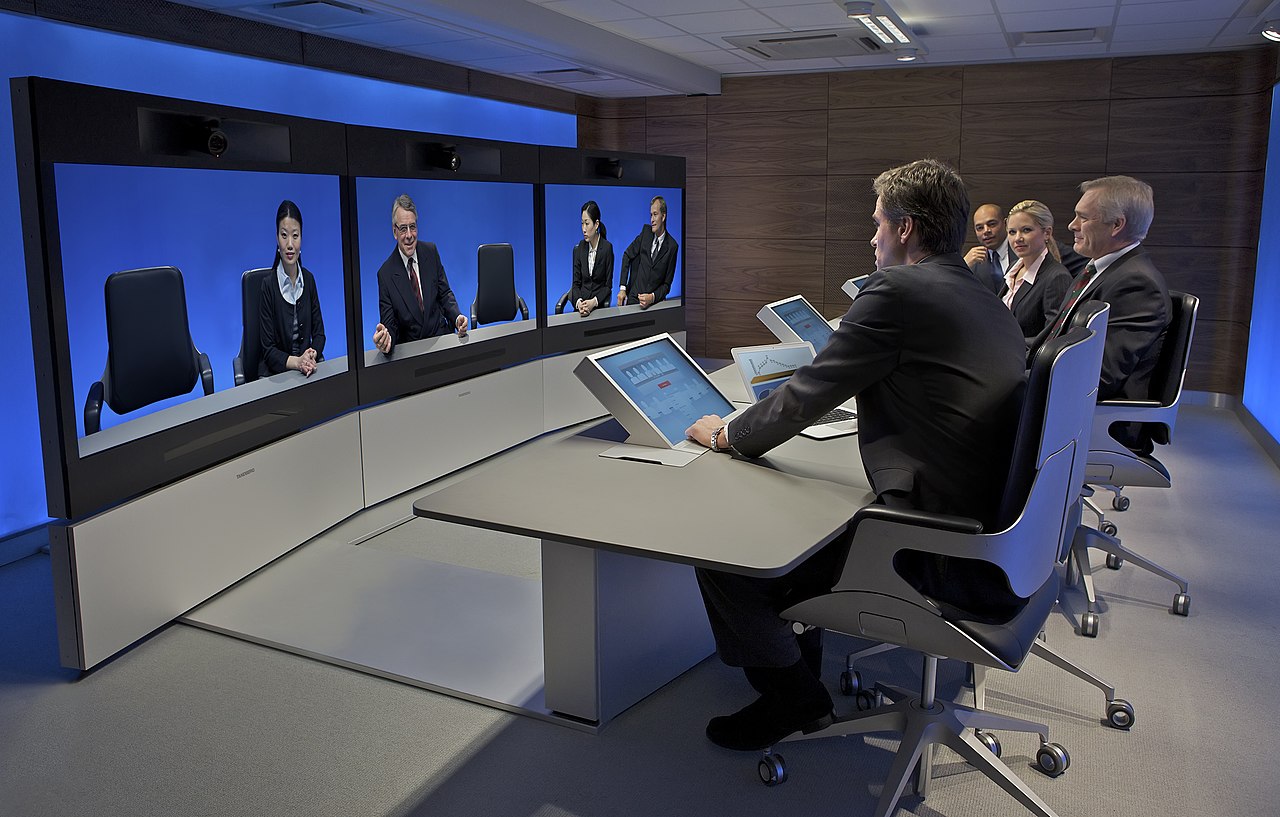
- Work meetings, remote interviews and virtual classrooms for professional and educational use.
- Telemedicine consultations and remote technical support.
- Live events, broadcasts, and social streaming where speakers interact with viewers.
Distinctions and notable facts
Video chat differs from one-way streaming because it is interactive and typically low-latency. It differs from traditional telephony by adding a visual channel. Privacy, accessibility and network policy are important considerations: some platforms offer end-to-end encryption, while others may route media through servers. Hardware such as an external camera or higher-quality microphone can noticeably improve experience. As a social and business tool, video chat reshaped modern communication and has become widespread in the 21st century.
Questions and answers
Q: What is video chat?
A: Video chat is a way of communicating online using the Internet where the parties concerned use a camera–microphone combination installed in either their computers or in their smart phones.
Q: What speed is needed for streaming video during video chat?
A: For streaming video during video chat a speed of at least 2 Mbps is needed to alleviate a choppy signal and disconnects.
Q: What is the required speed for sound transmission during video chat?
A: Much less speed is required for sound transmission during video chat.
Q: Why is video often turned off during times of heavy network congestion?
A: Video is often turned off during times of heavy network congestion to maintain connection continuity.
Q: Is video chat a popular form of communication in the 21st century?
A: Yes, video chat is an extremely popular form of communication in the 21st century.
Q: What are some reasons why video chat is often utilized?
A: Video chat is often utilized for many reasons. Some of the reasons include personal and business communication, distance learning, and telemedicine.
Q: What technology do individuals need to use video chat?
A: Individuals need a camera-microphone combination installed in either their computers or in their smart phones in order to use video chat.
Related articles
Author
AlegsaOnline.com Video chat: real-time visual communication over networks Leandro Alegsa
URL: https://en.alegsaonline.com/art/105028