
Vella, Switzerland — former mountain municipality in Surselva, now part of Lumnezia
Vella is a mountain village in the Lumnezia valley (Surselva), canton Graubünden. Formerly an independent municipality, it merged into Lumnezia in 2013; this article covers geography, history, culture and administration.
Overview
Vella is a mountain village in the Lumnezia valley (the "Valley of Light") in the Surselva region of the canton of Graubünden. Historically an independent municipality, Vella served as a local centre for surrounding hamlets with churches, shops and municipal services. For an official municipal entry see the record for the former municipality and its place in the district of Surselva in Switzerland. General regional information is available from the cantonal guides (Grisons).
Image gallery
4 Images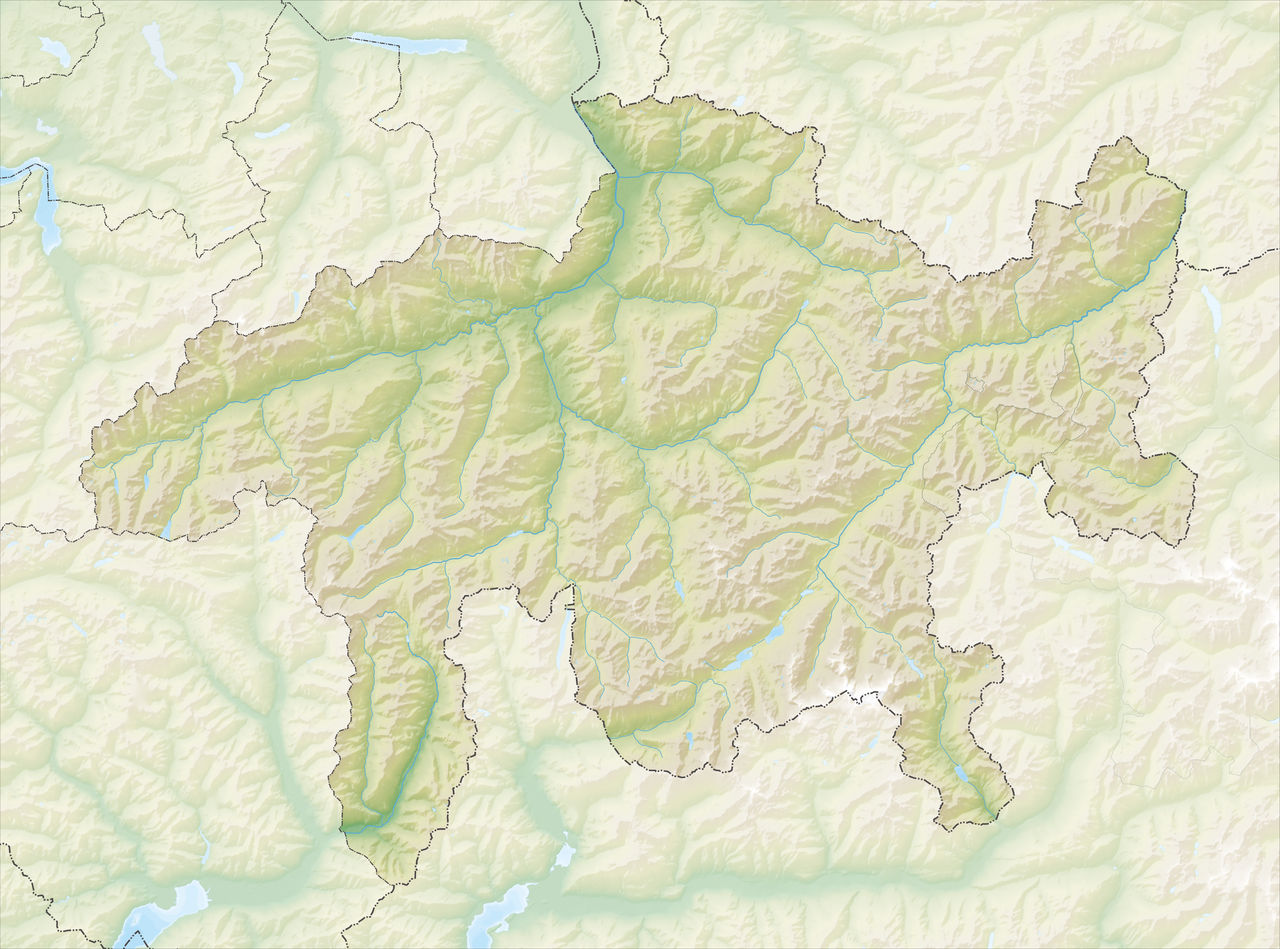


Geography and landscape
Vella occupies a basin in an inner-Alpine valley, surrounded by steep slopes, mixed woodland and alpine meadows used for summer grazing. The village sits above valley floors and is connected by secondary roads and trails to higher pastures and neighbouring settlements. The landscape is typical of central Graubünden: terraced fields, stone and wooden farmsteads, and routes used historically for transhumance and local trade.
History, language and built heritage
The valley has long been part of the Romansh-speaking area; the Sursilvan variety of Romansh remains a living local language and an important cultural marker. Vella's built heritage includes traditional alpine houses with stone foundations and wooden upper stories, together with parish buildings and chapels that reflect centuries of rural community life. Conservation initiatives in the region aim to protect village character while adapting buildings for modern use.
Economy and cultural life
Traditional economic activity centred on dairy farming, cattle grazing and forestry. In recent decades the local economy diversified: small-scale tourism, guesthouses, farm direct sales and outdoor recreation now supplement agriculture. Cultural life emphasises Romansh traditions, local festivals and events that celebrate language, music and crafts. Community associations and volunteer groups are active in sustaining local customs.
Transport, services and administration
Vella is reachable by local roads and regional public transport that connect the valley to larger towns and railway links. Before its municipal reorganisation the village maintained basic services such as primary schooling and municipal offices. On 1 January 2013 Vella merged with neighbouring municipalities to form the new municipality of Lumnezia. The consolidation included the former municipalities of Cumbel, Degen, Lumbrein, Morissen, Suraua, Vignogn and Vrin, an administrative change intended to improve service delivery and planning across the valley.
Conservation, tourism and recreation
Visitors to Vella and Lumnezia come for walking, mountain biking and the experience of a Romansh-speaking valley. Trail networks link the village to scenic viewpoints and pastures; local guides and regional tourist offices provide practical information for seasonal activities. Conservation efforts balance visitor access with the protection of landscapes and vernacular architecture.
Notable distinctions
- Part of the Romansh linguistic and cultural area of Graubünden, with local efforts to support language and traditions.
- Representative of small alpine communities balancing traditional agriculture with tourism and modern services.
- Since 2013, administratively integrated into the larger municipal structure of Lumnezia for governance and planning.
For more detailed administrative records, historical background and practical visitor information consult cantonal resources and the local municipal portals: former municipality entry, regional district pages (Surselva) and the Lumnezia portal (Lumnezia). Additional cultural and travel guides provide further context for Romansh culture and valley routes (Surselva, Grisons, Switzerland).
Related articles
Author
AlegsaOnline.com Vella, Switzerland — former mountain municipality in Surselva, now part of Lumnezia Leandro Alegsa
URL: https://en.alegsaonline.com/art/104490