
Morissen (Murissen) — village of the Val Lumnezia in Graubünden, Switzerland
Morissen (Romansh: Murissen) is a village in the Val Lumnezia within Surselva, canton Graubünden, Switzerland. Formerly an independent municipality, it is now part of the new municipality of Lumnezia.
Overview
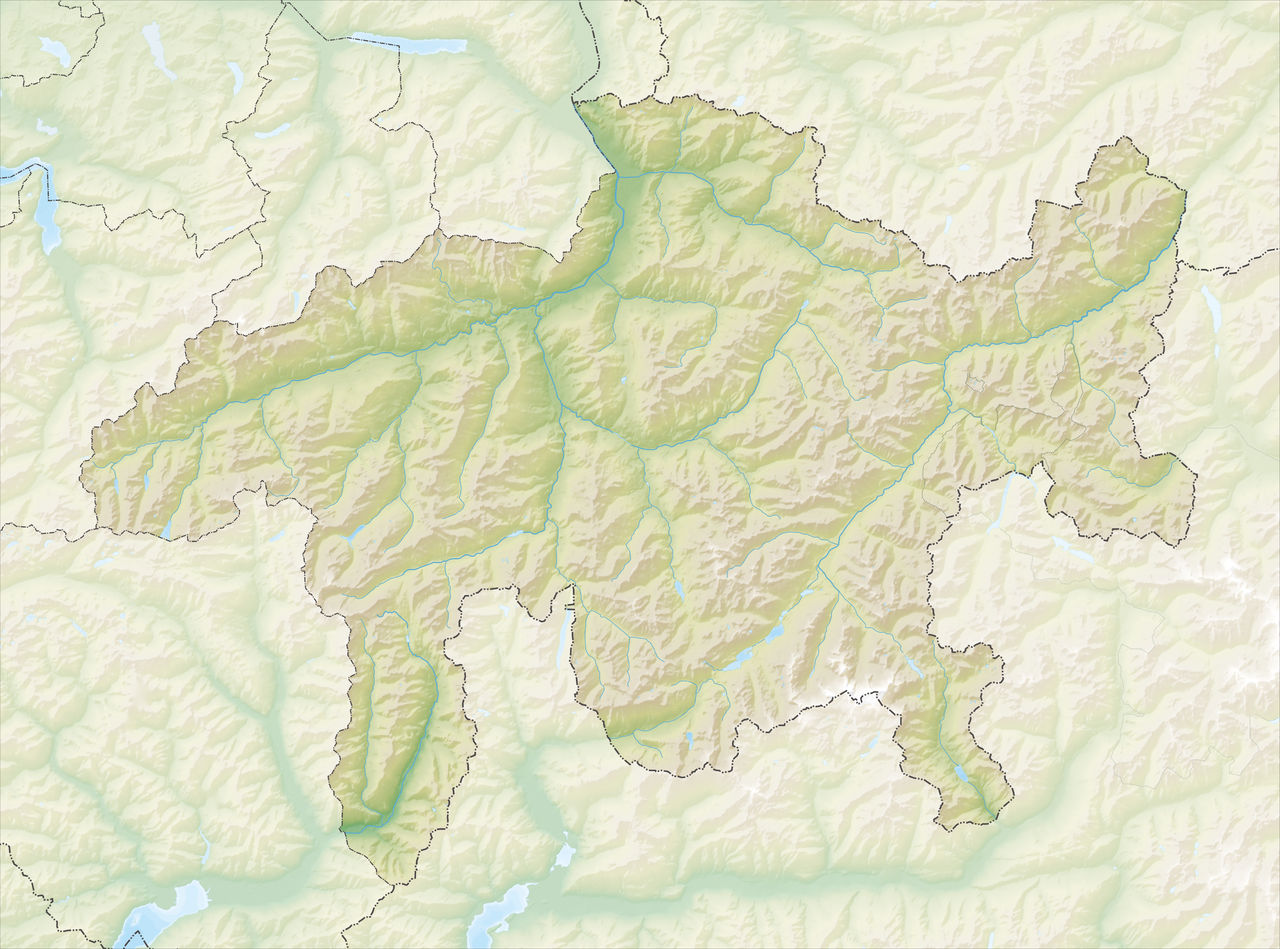
Morissen (Romansh: Murissen) is a small mountain village located in the Val Lumnezia, in the western part of the Swiss canton of Graubünden. Historically an independent municipality, Morissen was incorporated into the larger municipal entity of Lumnezia. The settlement lies in the administrative district of Surselva, itself part of the broader region commonly called Surselva along the upper Rhine valley.
Image gallery
4 Images


Geography and administration
Set amid alpine pastures and conifer woods, Morissen sits above the valley floor and is typical of small villages in this part of the canton. It is governed today as a locality within the municipality linked to the municipal structure of Lumnezia. The area belongs to the Swiss Confederation (Switzerland) and shares in the multilingual traditions of Graubünden, where Romansh and German often coexist.
History and development
The settlement grew from rural alpine roots, with farming, dairy and seasonal grazing forming the backbone of its economy for centuries. Over time patterns of emigration, modernization and municipal reform led to administrative consolidation: Morissen joined neighboring localities to create a larger municipality intended to pool services and preserve local culture.
Culture, economy and notable features
Romansh language and local customs remain visible in village life, church activities and seasonal festivities. Built features include traditional stone and timber houses, a village church and paths to higher pastures. Economic activity centers on agriculture, small-scale tourism and residents commuting to regional towns. Typical characteristics include:
- Strong local use of Romansh (local dialects)
- Alpine farming and dairy traditions
- Wood and stone vernacular architecture
- Proximity to hiking routes and valley roads
Morissen illustrates common trends in Swiss mountain communities: a deep historical identity, gradual administrative change, and ongoing efforts to balance modernization with preservation of language and landscape.
Related articles
Author
AlegsaOnline.com Morissen (Murissen) — village of the Val Lumnezia in Graubünden, Switzerland Leandro Alegsa
URL: https://en.alegsaonline.com/art/66702