
Lumbrein, former municipality in the Lumnezia valley
Lumbrein was a small, Romansh-speaking mountain municipality in the Surselva district. In 2013 it merged with neighbouring communes to form the new municipality of Lumnezia in Graubünden, Switzerland.
Lumbrein was a small alpine municipality in the Surselva region of eastern Switzerland. Located in the Val Lumnezia (the Lumnezia valley), it formed part of the canton of Graubünden and belonged to the Surselva district. Historically identified with a rural, Romansh-speaking community, Lumbrein retained traditional mountain farming and village architecture until it joined neighbouring communes in a municipal merger.
Image gallery
9 Images
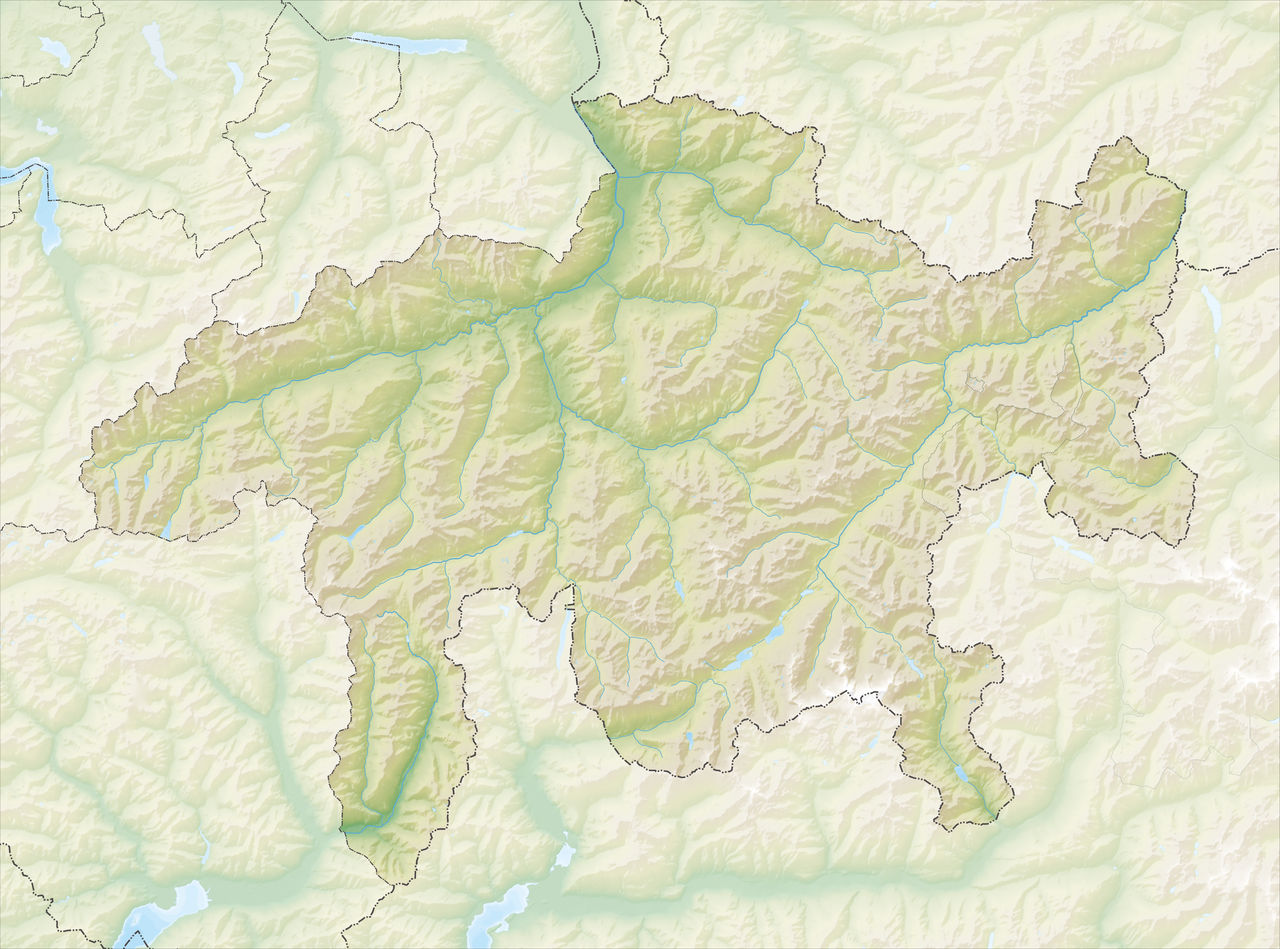


Geography and character
The village sat amid pasture slopes and conifer woods typical of inner-Alpine valleys. Local life centered on mixed farming, summer alpine pastures and seasonal forestry, and the settlement pattern included clustered houses, a village core and dispersed hamlets. Romansh was commonly spoken alongside Swiss German, reflecting the bilingual cultural landscape of the upper Rhine basin.
History and municipal change
Lumbrein belonged to the historical district of Surselva and to the canton of Graubünden in Switzerland. On 1 January 2013 Lumbrein ceased to exist as an independent commune when several neighbouring municipalities consolidated to form the larger municipality of Lumnezia. The merger included the former communes of:
Importance and legacy
The consolidation aimed to streamline administration, maintain public services and strengthen the local economy while preserving regional culture and language. As part of Lumnezia, the area formerly covered by Lumbrein contributes to valley-wide tourism, hiking and cultural initiatives that highlight Romansh heritage and traditional mountain livelihoods.
For administrative and historical reference, older records and local heritage accounts refer to Lumbrein as a distinct municipality; modern governance and services are provided under the umbrella of the new Lumnezia municipality (Surselva, canton administration). Further local information and archived materials can be consulted through regional resources and municipal contacts.
Related articles
Author
AlegsaOnline.com Lumbrein, former municipality in the Lumnezia valley Leandro Alegsa
URL: https://en.alegsaonline.com/art/59895