
Vrin: former Swiss village in Graubünden noted for architectural preservation
Vrin is a small former municipality in the Surselva valley of Graubünden, Switzerland, known for its preserved village architecture and its 2013 merger into the municipality of Lumnezia.
Overview
Vrin is a village and former municipality in the alpine canton of Graubünden (Grisons), located in the valley of Surselva (Surselva). First recorded in 1208 as Varin, the settlement lies within a mountainous landscape of high pastures, woodlands and traditional hamlets. The locality belongs to the Romansh cultural area and the Sursilvan dialect has long been predominant among residents. In 2011 about 255 people lived in Vrin, reflecting the small scale of many high-valley communities.
Image gallery
5 Images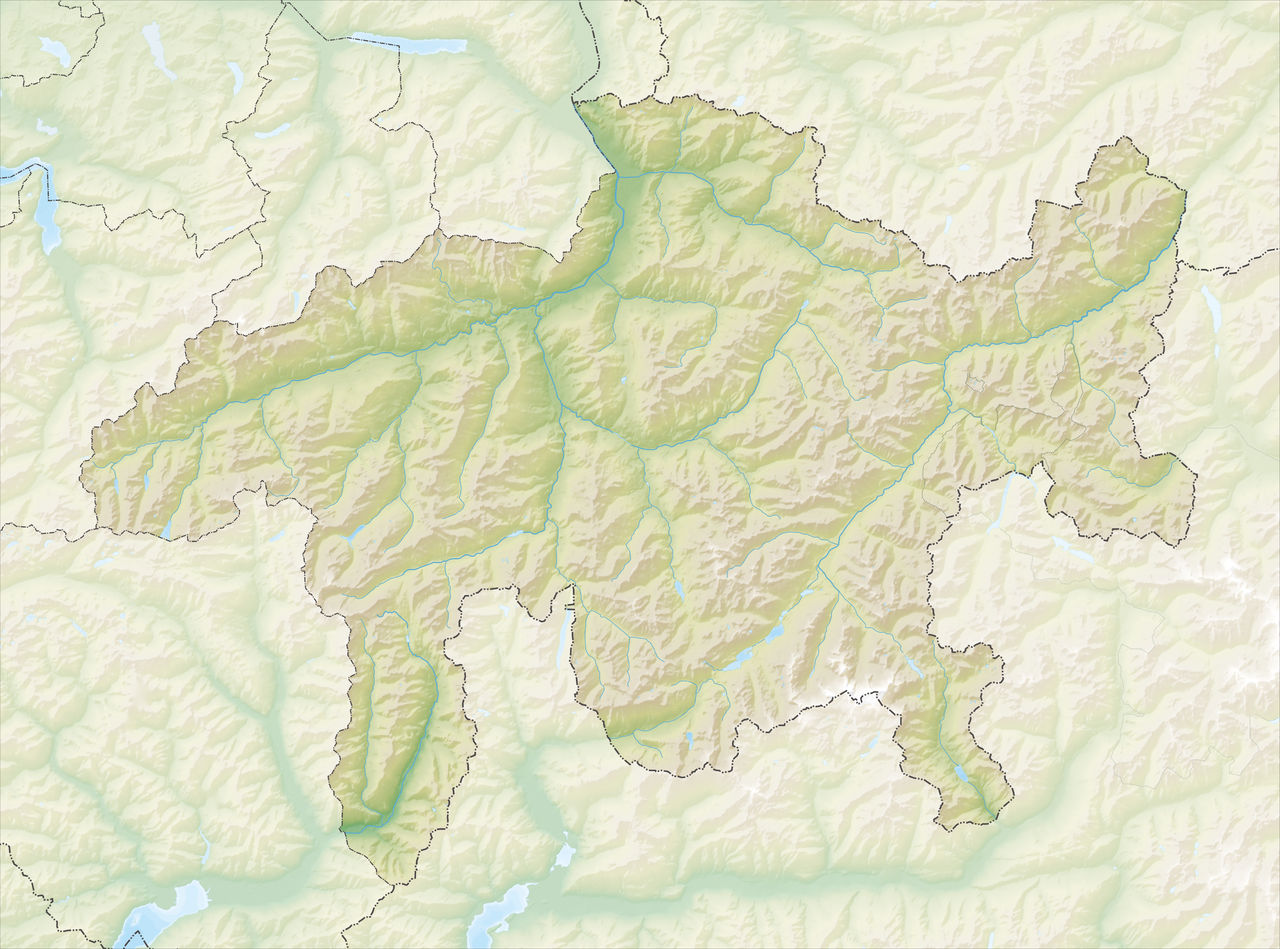


History and administrative change
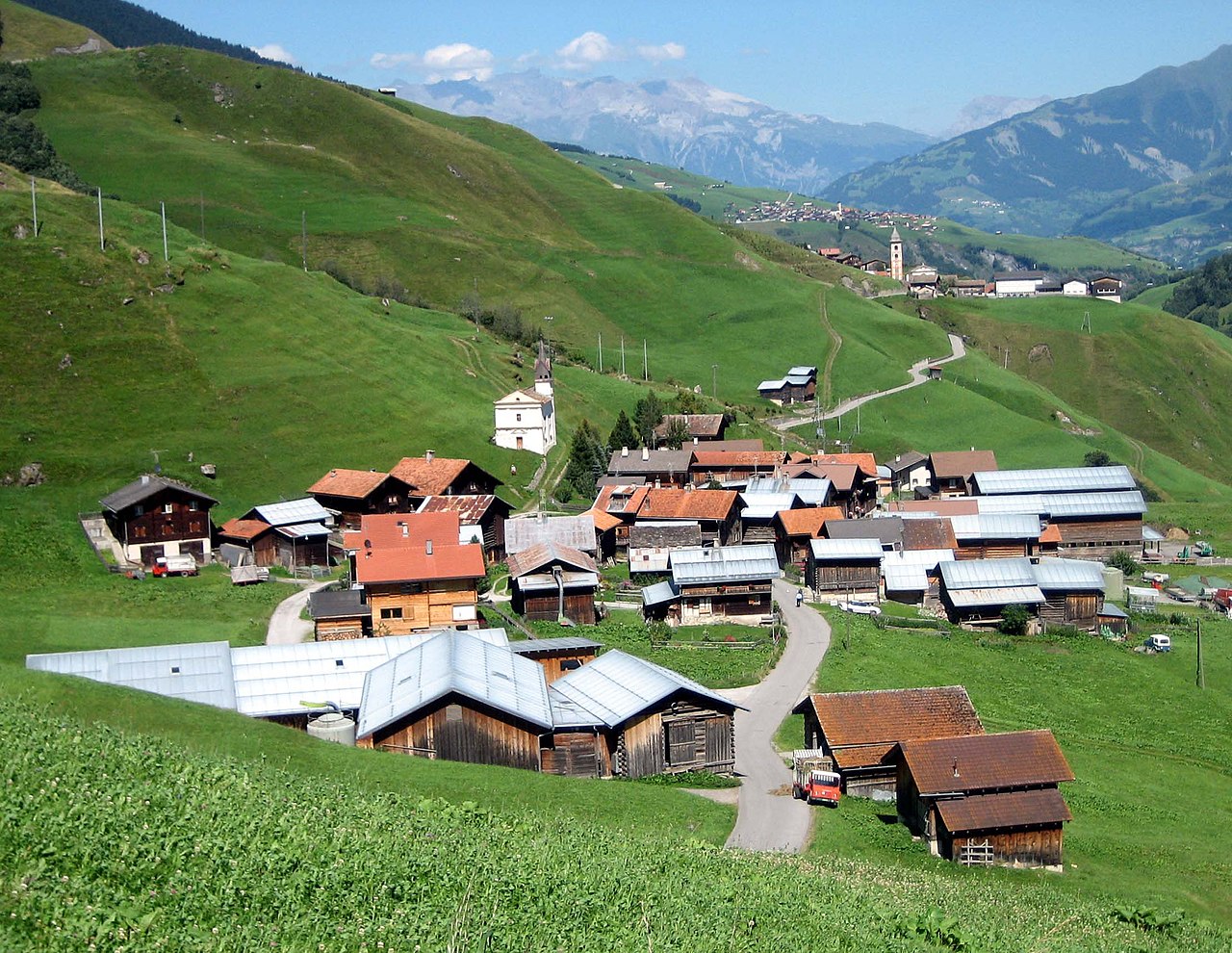
Vrin developed like many Alpine villages from medieval agrarian beginnings, with communal pasture rights, mountain farming and dispersed farmsteads. On 1 January 2013 the municipality joined with neighbouring communes—Cumbel, Degen, Lumbrein, Morissen, Suraua, Vignogn and Vella—to form the new municipality of Lumnezia. The consolidation was part of a broader trend in Switzerland to streamline local administration, share resources and maintain services in sparsely populated mountain areas.
Architecture and cultural significance
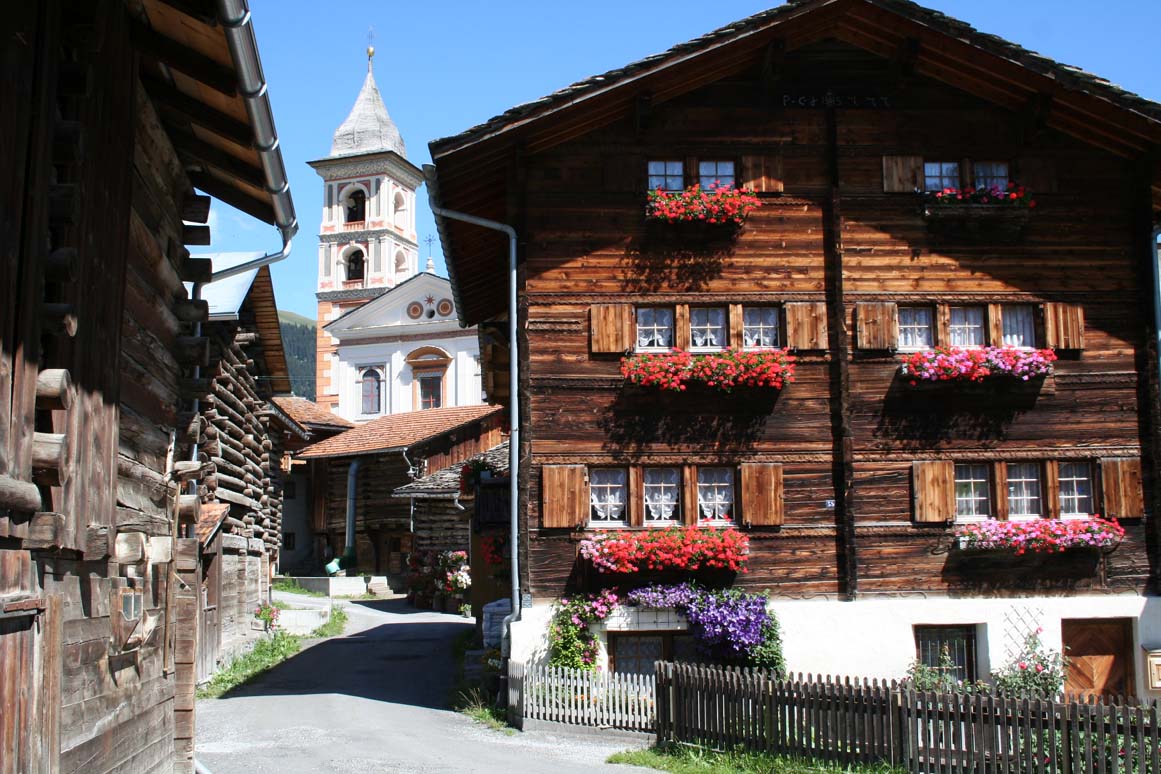
Vrin is widely recognised for its conservation of traditional village fabric. In 1998 the village was awarded the Wakker Prize, a Swiss prize honouring exemplary preservation and thoughtful development in municipal planning. The recognition noted Vrin's coherent approach to maintaining historic stone and timber buildings, conserving the village silhouette and integrating modest new construction that respects local materials, scale and landscape.
Geography, economy and culture
The economy of Vrin has historically centred on alpine agriculture, pastoralism and forestry. Today small-scale tourism, conservation-led projects and craft activities contribute to local livelihoods. Community initiatives to sustain the Romansh language and regional traditions form an important part of cultural life, alongside seasonal agricultural work and public events that reinforce social bonds in the valley.
Access and relevance
Vrin lies within walking distance of valley trails and mountain paths typical of the Surselva region; these routes link the village to surrounding pastures and neighbouring settlements. As part of Lumnezia, Vrin participates in wider municipal planning while retaining its distinct character. The village is frequently cited in discussions of rural heritage management as an example of how small communities can preserve traditional built environments while accommodating contemporary needs.
Further notes
- First documentary mention: 1208 (as Varin).
- Population around 255 in 2011; small, dispersed settlement pattern typical of high valleys.
- Recipient of the Wakker Prize for conservation efforts.
Vrin illustrates the interaction of cultural heritage, language preservation and practical governance in a mountain setting. For more on the valley, its history and neighbouring communities see the linked entries above for the former municipality and nearby villages.
Related articles
Author
AlegsaOnline.com Vrin: former Swiss village in Graubünden noted for architectural preservation Leandro Alegsa
URL: https://en.alegsaonline.com/art/105984