
Värmland — historical province in west-central Sweden
Värmland is a forested, lake-rich historical province in west-central Sweden bordering Norway. Known for timber industries, folk culture, and writers such as Selma Lagerlöf, it centers on the city of Karlstad.
Overview
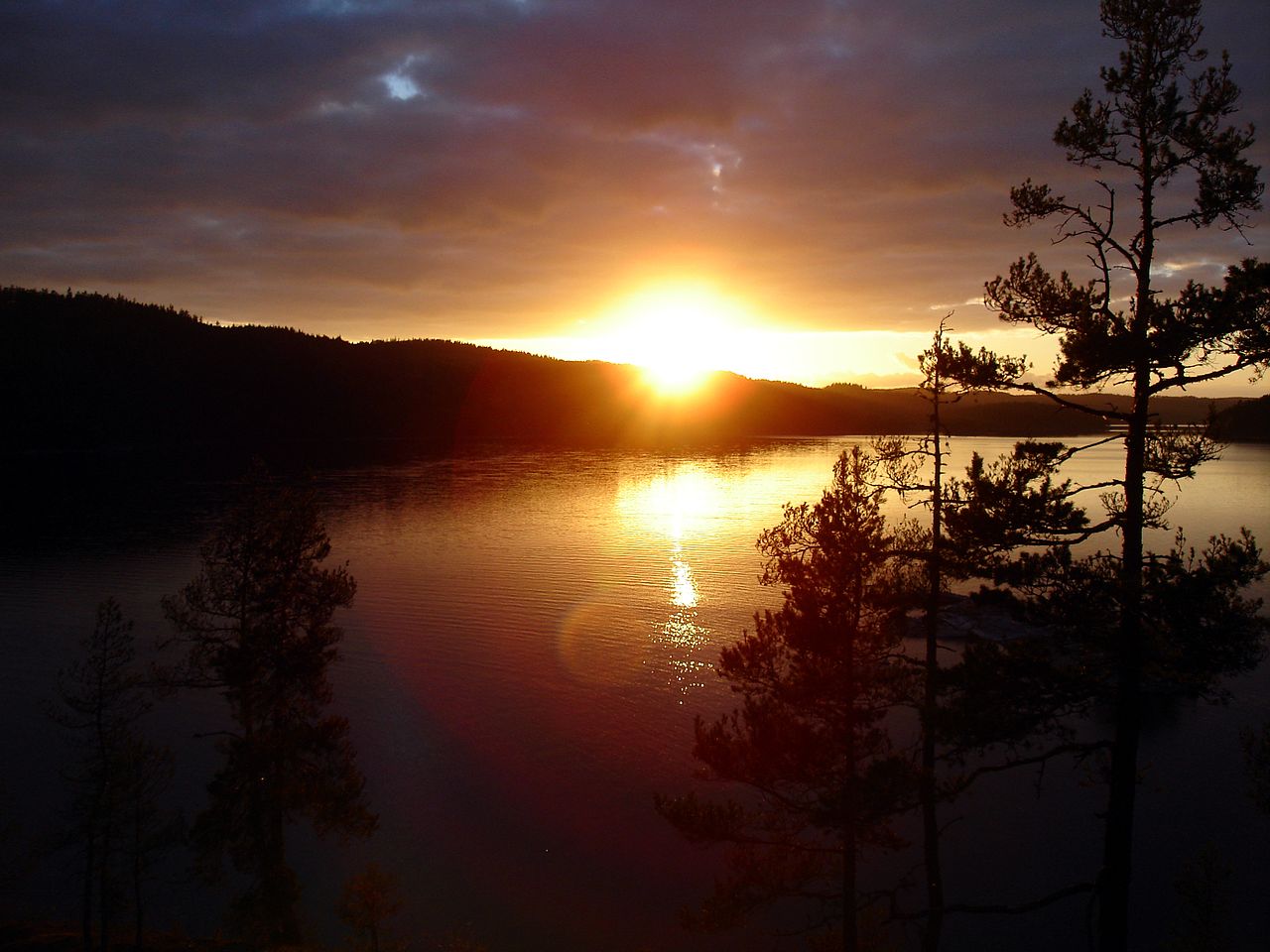
Värmland is a traditional Swedish province (landskap) located in the western part of middle Sweden. It lies to the west of central Sweden and has long been recognized for its mixed landscape of forests, lakes and rivers; the region forms a transition between densely forested inland areas and lowland terrain toward the south. The province is often associated with rural life, outdoor recreation and a strong local identity.
Image gallery
10 Images



Geography and environment
Värmland is bounded to the south and east by other Swedish lands and to the west by Norway. It is frequently described in relation to the rest of Sweden: to the southeast are the provinces of Västergötland and Dalsland, while to the northeast and east lie Dalarna, Västmanland and Närke. The river Klarälven and numerous lakes shape the region’s drainage and provide routes for historical transport and modern recreation. The Latin name Wermelandia (Wermelandia) appears in older documents; the origin of the modern name may relate to an ancient watercourse or a lake.
History and economy
Historically Värmland developed around forestry, iron working and later pulp and paper production, industries that used the abundant timber and waterways. Small farms and hunting also supported rural communities. Over time, towns grew where rivers met lakes or provincial roads crossed, with Karlstad becoming the region’s largest urban centre and administrative focus. Today the local economy combines manufacturing, services, education and tourism, with outdoor activities such as fishing, canoeing and skiing important for visitors.
Culture, language and notable people
Värmland has a distinct cultural profile: dialects often referred to as Värmländska, lively folk music traditions and an active scene for dance bands. The province is associated with several writers and poets; among the most famous is Selma Lagerlöf, the novelist from Värmland who won the Nobel Prize in Literature. Other notable cultural forms include local handicrafts and seasonal festivals that celebrate rural customs.
Places and administration
Major towns and population centres include Karlstad, Arvika, Kristinehamn and Sunne. Administratively, modern boundaries for public government are set by Värmland County, which largely corresponds to the historical province but is a separate unit for contemporary governance. Visitors commonly explore lake shores, forest trails and small museums that interpret the province’s industrial and cultural past.
Further reading and related topics
- Geographical context in Sweden
- Local musical traditions and dance bands
- Historical provinces of Sweden
- Neighbouring regions and cross-border ties
For maps, cultural guides and historical archives, consult regional resources and local museums that collect material from Värmland’s rural and industrial past. Contemporary life in the province blends outdoor recreation, cultural heritage and the economic legacy of its forests and waterways.
Dalarna and Västmanland connections, historical notes on Wermelandia, and modern cultural listings are available through regional libraries and official tourism services. See also Närke for contrasts in landscape and settlement, or explore cross-border history with Norway for a fuller picture of the area’s past. Additional online and printed sources can provide in-depth studies on Värmland’s environment, economy and society.
Related articles
Author
AlegsaOnline.com Värmland — historical province in west-central Sweden Leandro Alegsa
URL: https://en.alegsaonline.com/art/104279