
Belvoir, Kansas — a ghost town in Douglas County
Belvoir is a little-documented ghost town in Douglas County, Kansas. It exemplifies patterns of rural settlement, decline, and local historical research in northeastern Kansas.
Overview
Belvoir is recorded as a ghost town located in northeastern Kansas. Like many named but abandoned settlements, it has few surviving structures or detailed public records. The place name survives on some historical maps and in county records, but contemporary references are brief.
Image gallery
1 Image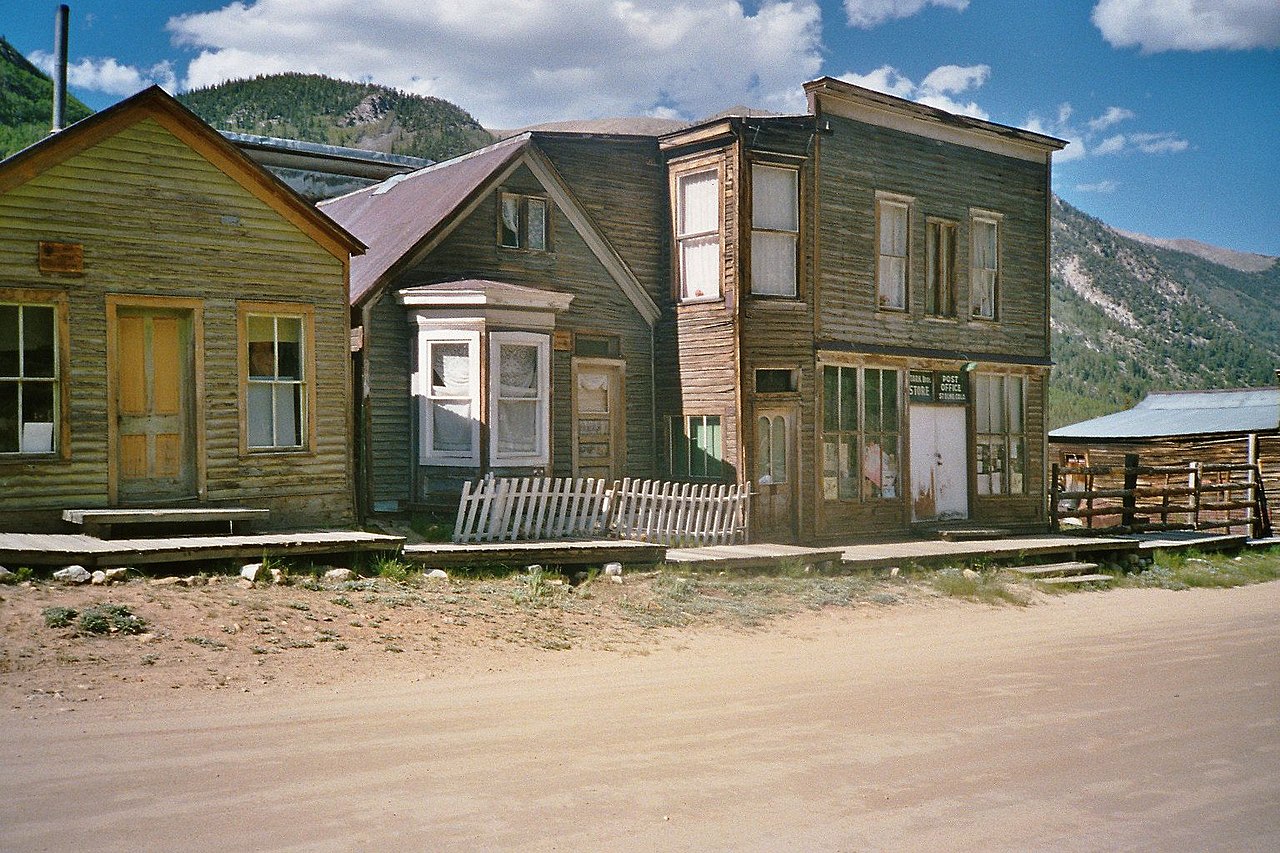
Location and context
Belvoir lies within Douglas County, an area centered on the city of Lawrence and shaped by 19th-century settlement, agriculture, and transportation routes. The county is part of the state of Kansas, and Belvoir is one of several small communities in the region that did not persist into the modern era.
Historical background
Detailed, reliable accounts specific to Belvoir are sparse. However, the pattern that produced many Kansas ghost towns is well known: towns could grow rapidly during settlement or boom periods and then decline if bypassed by railroads, if local industries failed, or if population shifted to larger nearby towns. Political, economic and environmental factors all contributed to abandonment in different places and times.
Remains and characteristics
In cases like Belvoir, physical traces may be limited to foundation stones, depressions where buildings stood, fragmentary fences, old wells or isolated cemeteries. Documentary remnants—plat maps, land records, post office listings and newspaper mentions—often provide the clearest evidence of a vanished community’s location and era of activity.
Research, significance and resources
Belvoir is of interest to local historians, genealogists and scholars of rural change as an example of settlement impermanence. Useful research approaches include:
- Consulting county plat maps and land ownership records.
- Reviewing historical newspapers and postal histories for place-name references.
- Contacting local historical societies and state archives for oral histories and photos.
Visiting and preservation
Visitors should be mindful that many former town sites are on private land and may have little to see. Where remnants exist, they are often best interpreted alongside archival materials. Preservation of such sites depends on local interest and documentation efforts that record the social and economic stories behind the abandoned place.
Related articles
Author
AlegsaOnline.com Belvoir, Kansas — a ghost town in Douglas County Leandro Alegsa
URL: https://en.alegsaonline.com/art/10423
Sources
- geonames.usgs.gov : Geographic Names Information System (GNIS) details for Belvoir, Kansas; United States Geological Survey (USGS); October 13, 1978.
- books.google.com : History of the State of Kansas: Containing a Full Account of Its Growth from an Uninhabited Territory to a Wealthy and Important State
- postalhistory.com : "Douglas County"
- books.google.com : The Cultural Resources of Clinton Lake, Kansas: An Inventory of Archaeology, History, and Architecture