
Van Province (eastern Turkey)
Van Province is a mountainous region in eastern Turkey surrounding Lake Van, known for its historical sites, majority Kurdish population, distinctive lake ecology, and role as a regional transport and cultural hub.
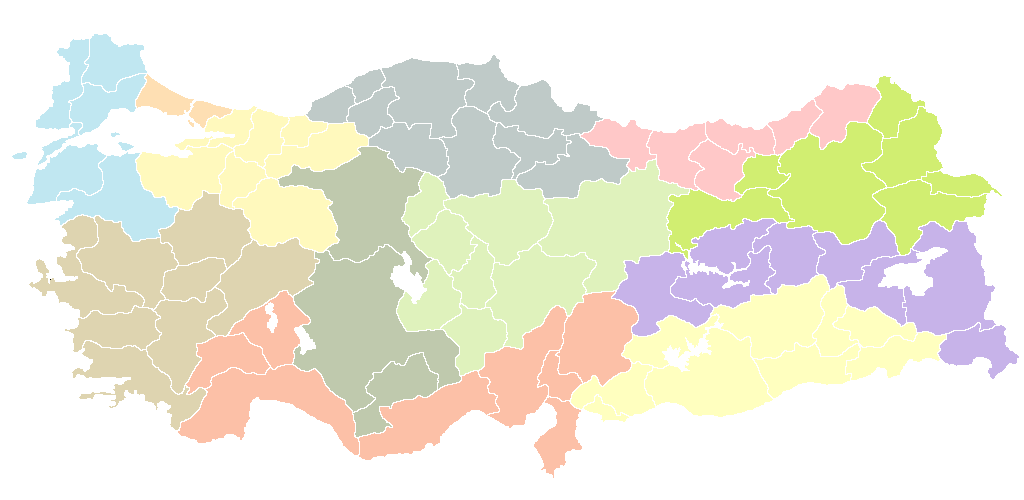
Van Province (Turkish: Van ili) lies in the far east of Turkey, stretching along the northern and eastern shores of Lake Van and reaching to the Iranian border. The province covers roughly 19,069 km2 and had a population of about 1,035,418 at the end of 2010. Its inhabitants include a large Kurdish majority; Kurds are a prominent ethnic group there. The province is sometimes simply called Van.
Image gallery
10 Images


Geography and environment
Van occupies a high plateau of volcanic and mountainous terrain. Lake Van, the largest lake in Turkey, is a saline soda lake with unique ecology and striking shorelines. Winters are cold and snowy while summers can be hot and dry in low-lying areas. The lake supports species such as the endemic pearl mullet and shapes local livelihoods and scenery.
History and cultural heritage
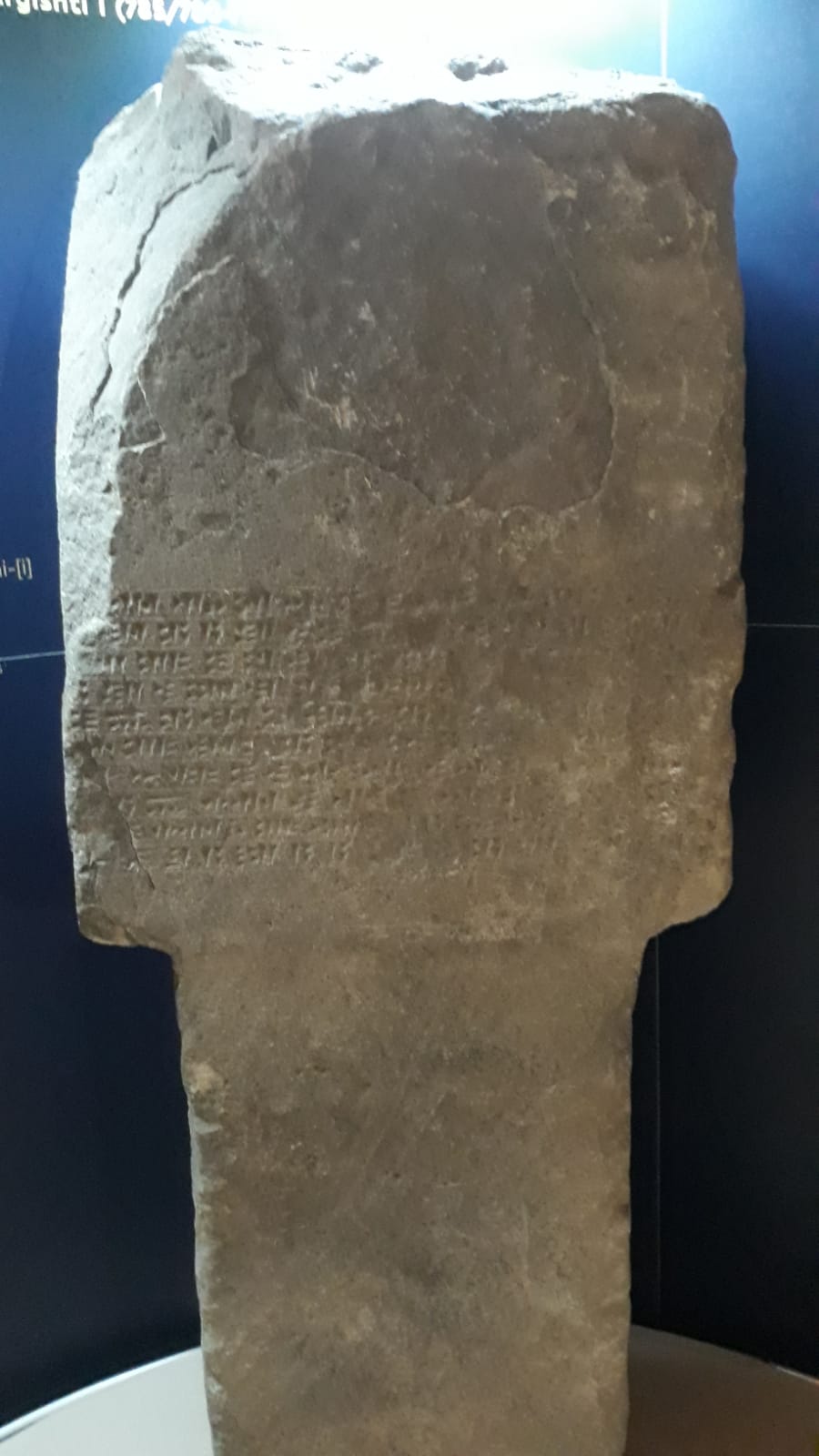
The region has a deep historical record, from ancient Urartian centers to medieval Armenian churches and Ottoman-era settlements. Notable monuments include the medieval fortress at Van and the island church on Akdamar Island, which attract tourists and scholars. Layers of Armenian, Kurdish, Persian and Turkish presence contribute to a diverse cultural landscape.
Economy and transport
Van's economy is mixed: agriculture and livestock remain important in rural districts, while the city of Van serves as a commercial and services hub. Fishing related to the lake, light industry, and cross-border trade toward Iran all play roles. The province also functions as a transport node with highways, a ferry crossing on the lake and connections to eastern Anatolian routes.
Administration, demographics and significance
Administratively, Van is governed as a Turkish province with several districts centered on the provincial capital, Van city. Demographic patterns reflect a younger population in many districts and a mixture of urban and rural settlements. The province is notable for its strategic border location, its historical sites, and its role in regional culture and economy.
Notable facts
- Van city is the provincial capital and cultural center, known for regional cuisine and handicrafts.
- Lake Van is saline and supports endemic fish life unique to the basin.
- Cross-border proximity to Iran influences trade, travel and cultural exchange.
For further reading and official details see local administrative sources and regional guides; historical and ecological studies elaborate on Van's long human history and distinctive landscape. Turkish name, lake links, national context, Lake Van, border relations and demographic notes are entry points for more information.
Related articles
Author
AlegsaOnline.com Van Province (eastern Turkey) Leandro Alegsa
URL: https://en.alegsaonline.com/art/104152