
Var (department) — Provence-Alpes-Côte d'Azur, France
Var is a department in southeastern France, named after the Var river. Its prefecture is Toulon. It includes Mediterranean coastline, Provençal hinterland, naval facilities, wine country and tourist resorts.
Overview: Var is an administrative department in the Provence-Alpes-Côte d'Azur region, historically part of Provence in southeastern France. The name refers to the river Var, which once marked the department's eastern limit; changes to the border in the 19th century altered that situation. The county seat and principal city is the naval and port centre of Toulon, which serves as the department's prefecture.
Image gallery
10 Images

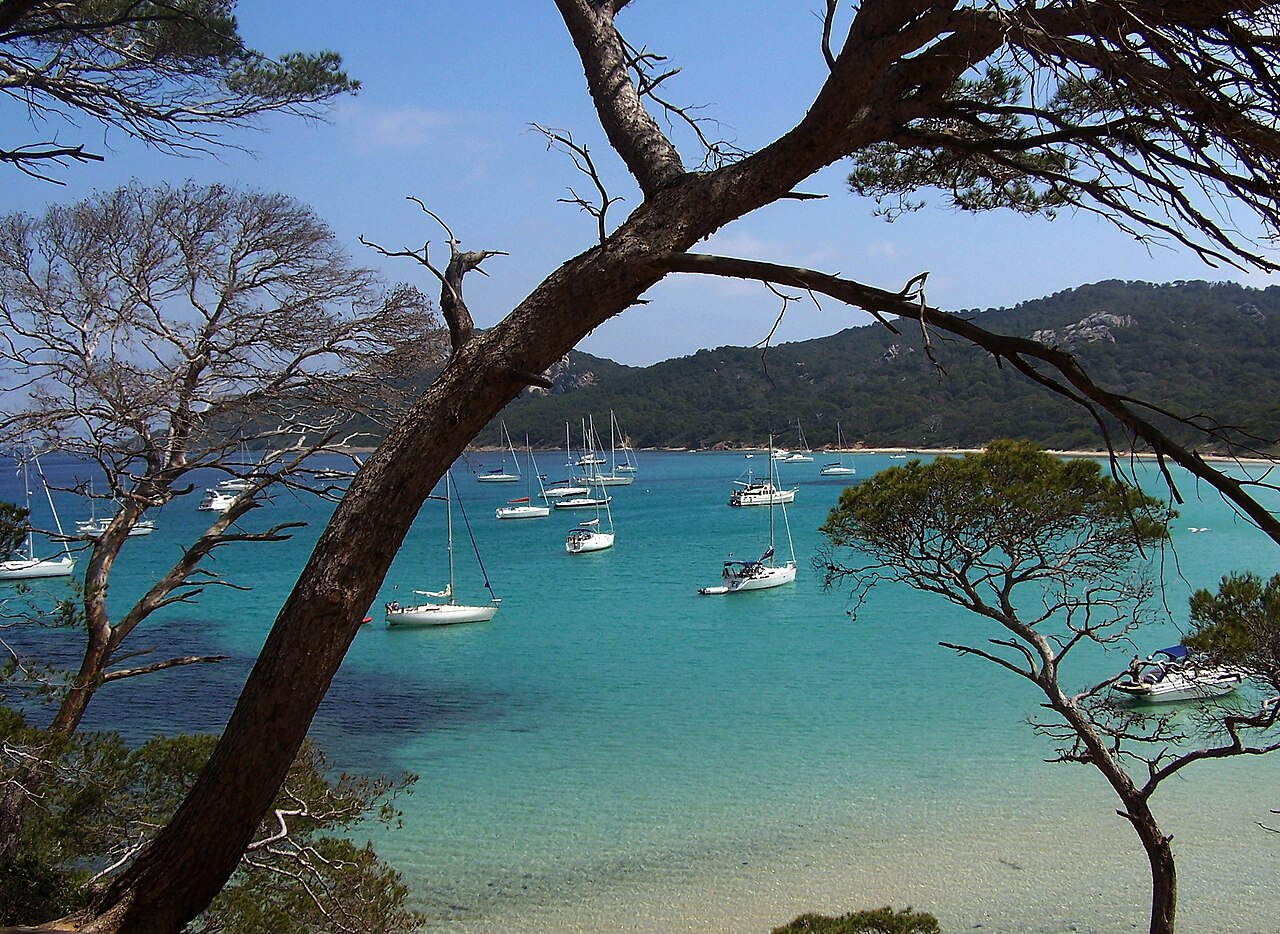
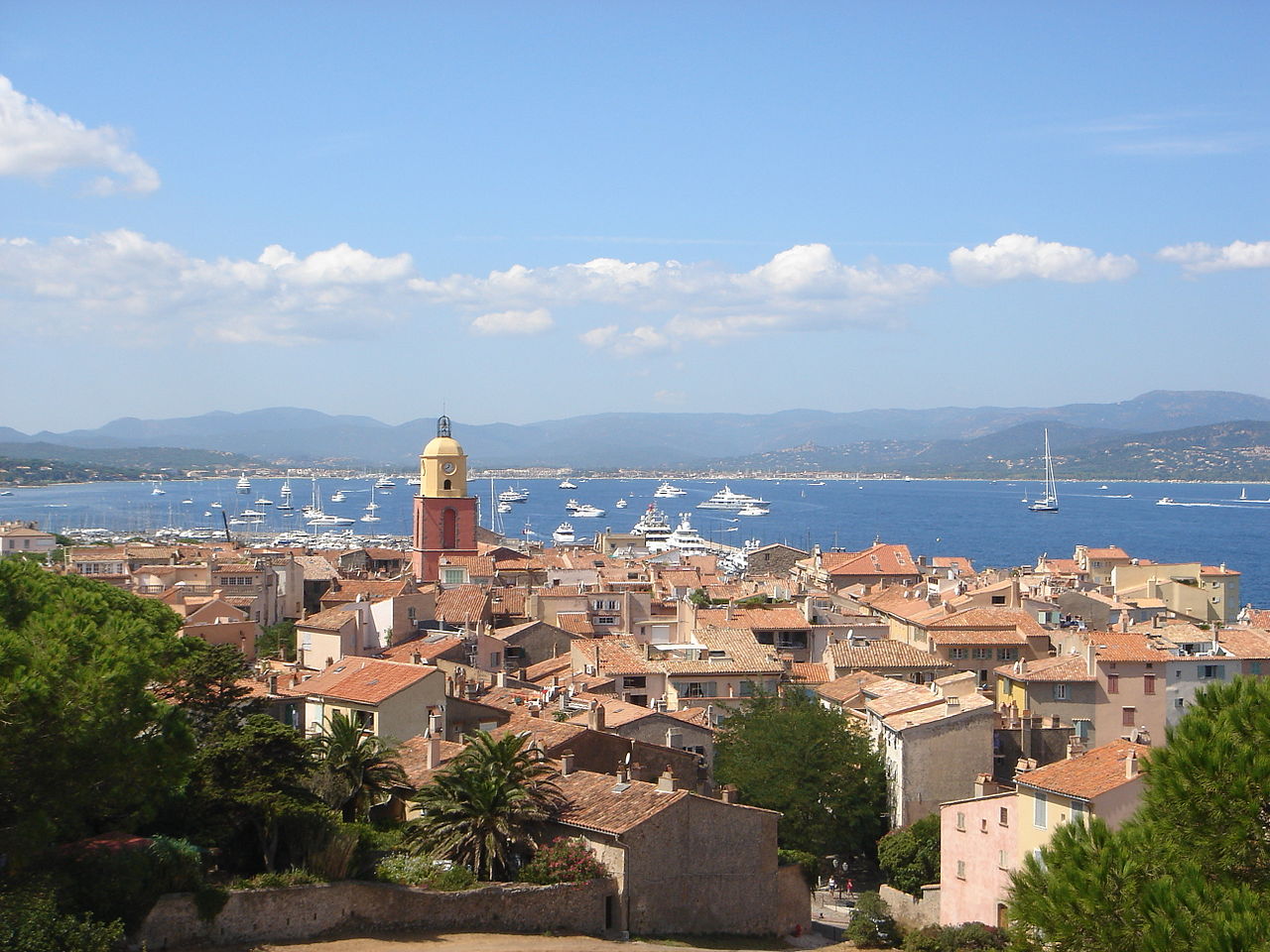


Geography and administration
Var stretches from the Mediterranean shore inland into wooded hills and limestone plateaus. Its coast includes sandy beaches, rocky capes and resort towns along the Mediterranean coast, while the interior is characterised by small towns, vineyards and low mountain ranges. Administratively it contains communes and cantons centred on several subprefectures; the department is one of France's territorial divisions established after the Revolution.
History and name
The department was created during the French Revolution as part of a nationwide reorganisation. It took its name from the river that historically formed a natural frontier. In 1860, when the neighbouring territory of Nice was annexed to France, the departmental boundary was shifted and the river no longer flows inside the department that bears its name — a frequently noted geographical curiosity.
Economy, culture and uses
Var's economy combines tourism, agriculture and maritime activity. Coastal towns attract summer visitors to beaches and marinas; the region around Bandol and other appellations produces well-known wines and olive oil. Shipyards and the French naval base in and around Toulon are significant employers. Local culture reflects Provençal traditions: markets, festivals, cuisine and crafts remain important to community life.
Principal towns and sights
- Toulon — major naval port and administrative centre (Toulon).
- Hyères and its islands, Fréjus and Saint-Raphaël — coastal resorts and heritage towns.
- Draguignan — inland subprefecture with local services and markets.
- Saint-Tropez — international resort known for beaches and yachting.
Environment and notable facts
The department includes protected natural areas, Mediterranean scrubland, and remnants of traditional rural landscapes. Outdoor activities range from sailing and diving along the coast to hiking in the Massif des Maures and visiting river gorges inland. A notable fact often mentioned in descriptions of the département is the mismatch between its name and the modern course of the river Var, because the historic border change left the river outside the administrative limits it once marked. For administrative details and local services consult official pages about the department and the region, and for cultural background see guides to Provence and travel information for southeastern France. Additional context on the department's eastern frontier appears in resources about the former eastern border.
Questions and answers
Q: What is the Var?
A: The Var is a department in the Provence-Alpes-Côte d'Azur region in Provence in southeastern France.
Q: Where does it take its name from?
A: It takes its name from the river Var, which used to flow along its eastern border.
Q: When was the border moved?
A: The border was moved in 1860.
Q: What is the prefecture of the Var?
A: Its prefecture is the city of Toulon.
Q: What region is the Var located in?
A: The Var is located in the Provence-Alpes-Côte d'Azur region in Provence.
Related articles
Author
AlegsaOnline.com Var (department) — Provence-Alpes-Côte d'Azur, France Leandro Alegsa
URL: https://en.alegsaonline.com/art/104224
Sources
- var.fr : "Les conseillers-départementaux"
- insee.fr : "Département du Var (83) - Résumé statistique"
- insee.fr : "Populations légales 2014 des départements et des collectivités d'outre-mer"
- splaf.free.fr : "Historique du Var"
- peakbagger.com : "Mont de Lachens, France"
- weatherbase.com : "Toulon, France - Köppen Climate Classification"
- insee.fr : "Département du Var (83)"
- insee.fr : "Régions, départements, arrondissements, cantons et communes"
- insee.fr : "Département du Var (83)"
- legifrance.gouv.fr : "Décret n° 2014-270 du 27 février 2014 portant délimitation des cantons dans le département du Var"
- habitants.fr : "Habitants du départment: Var (83)"