
Valparaíso: Chile's historic port city and legislative capital
Valparaíso is a major Chilean Pacific port and cultural center, known for its steep, colorful hills, historic quarter (UNESCO 2003), funiculars, and role as the country's legislative capital and regional hub.
Valparaíso is a coastal city in central Chile that functions as the capital of its province and region and serves as the nation's legislative capital. Located on the Pacific coast, the city forms the core of the larger urban area commonly called Greater Valparaíso, a metropolitan conurbation that mixes dense port infrastructure with residential hills and tourist zones. The urban zone is often described as a conurbation because it merges several municipalities into one continuous populated area.
Image gallery
10 Images
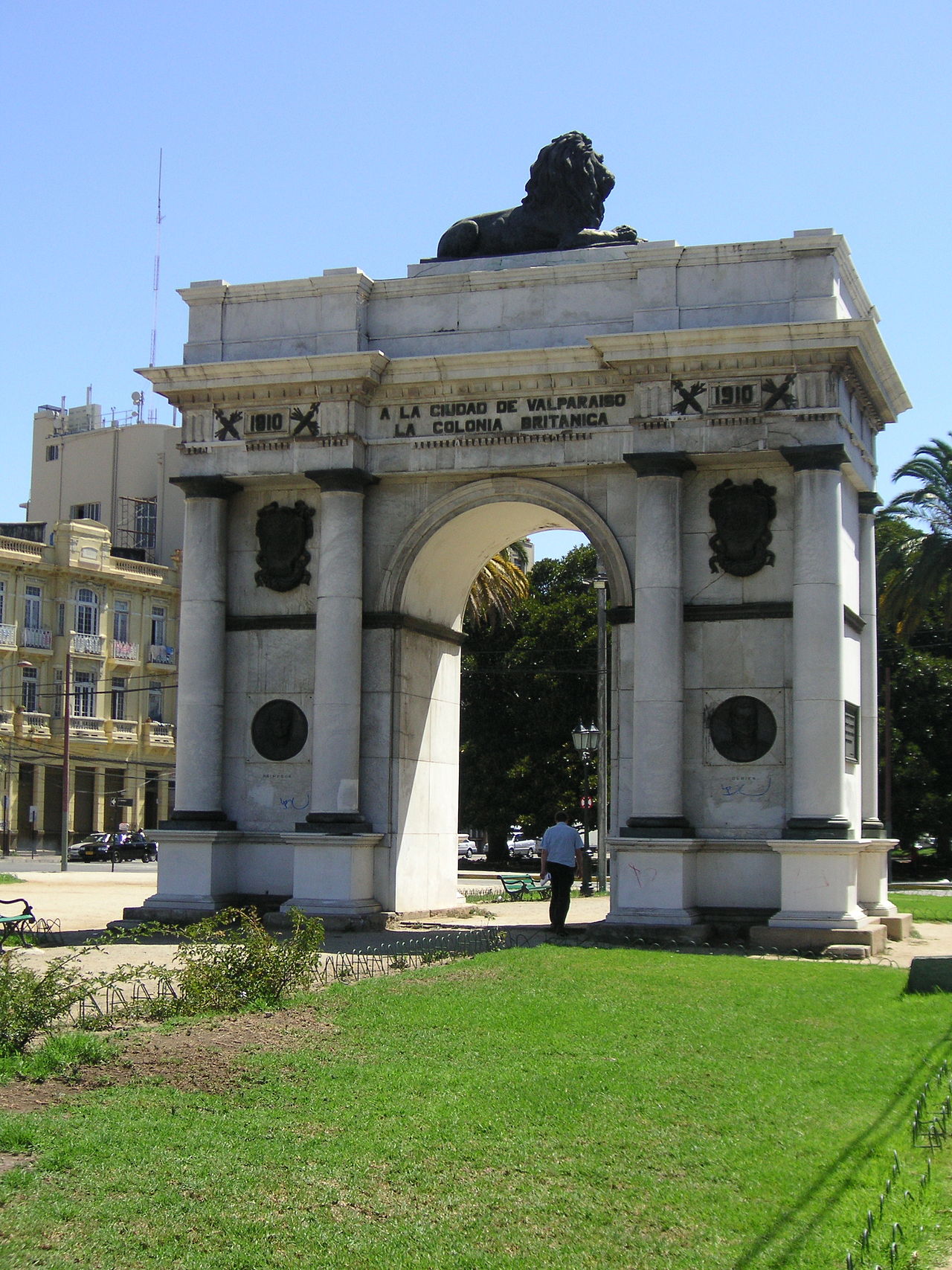


Overview and character
Valparaíso is widely recognized for its dramatic topography: a compact port plain backed by a series of steep hills (cerros) covered with tightly packed, colorful houses. Narrow streets, stairways and a network of historic funicular elevators connect waterfront neighborhoods with hilltop districts. This mix of maritime activity, working-class neighborhoods and creative cultural life gives Valparaíso a distinctive, picturesque character.
History and institutions
From the 19th century through the early 20th century Valparaíso was one of the Pacific coast's most important ports, a hub for international shipping and trade. Although the opening of alternative maritime routes and later transport changes reduced its dominance, the city retained governmental and military significance: national legislative bodies sit in Valparaíso, alongside important naval and army offices such as the regional Army command. Several national fishing and maritime agencies are also based in the city.
Heritage and recognition
The city’s historic core — its port area and the surrounding hills with their traditional urban fabric — was inscribed on the list of World Heritage Sites in 2003. The UNESCO designation recognizes Valparaíso's unique urban morphology, its 19th-century port architecture and its cultural landscape shaped by maritime commerce and immigration. See UNESCO World Heritage listings and information provided by UNESCO for further details.
Notable features and uses
Valparaíso remains an active commercial port and a regional administrative center. It is also an educational and cultural nucleus with universities, museums, street art, and festivals that attract visitors. Tourists and scholars value its panoramic viewpoints, historic ascensores (funiculars) and bohemian neighborhoods. Key places often cited by guides include Plaza Sotomayor, the port esplanade, Cerro Alegre and Cerro Concepción.
Distinctive facts
- Role: legislative capital of Chile while Santiago is the seat of the executive and judicial branches.
- Topography: city built on dozens of steep hills with strong contrasts between waterfront and high neighborhoods.
- Heritage: UNESCO World Heritage Site (historic quarter and port, 2003).
- Economy: continues as an important port with fishing, services, education and tourism sectors.
Valparaíso’s combination of maritime history, living urban heritage and active cultural scene makes it one of Chile’s most distinctive cities: part working port, part artistic landscape, and part seat of national governance.
Related articles
Author
AlegsaOnline.com Valparaíso: Chile's historic port city and legislative capital Leandro Alegsa
URL: https://en.alegsaonline.com/art/104096
Sources
- ine.cl : Instituto Nacional de Estadísticas
- commons.wikimedia.org : Valparaíso